 Preview
 Send
Send Share
Share
 Details

 Download
 Similars
 X-Ray
X-Ray Diaporama
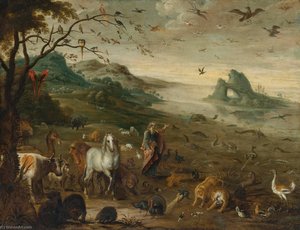
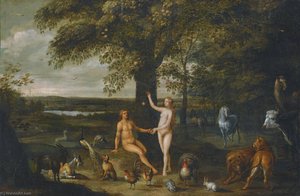
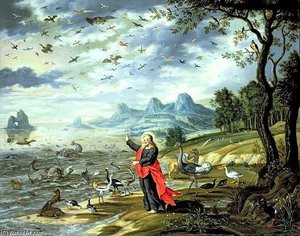
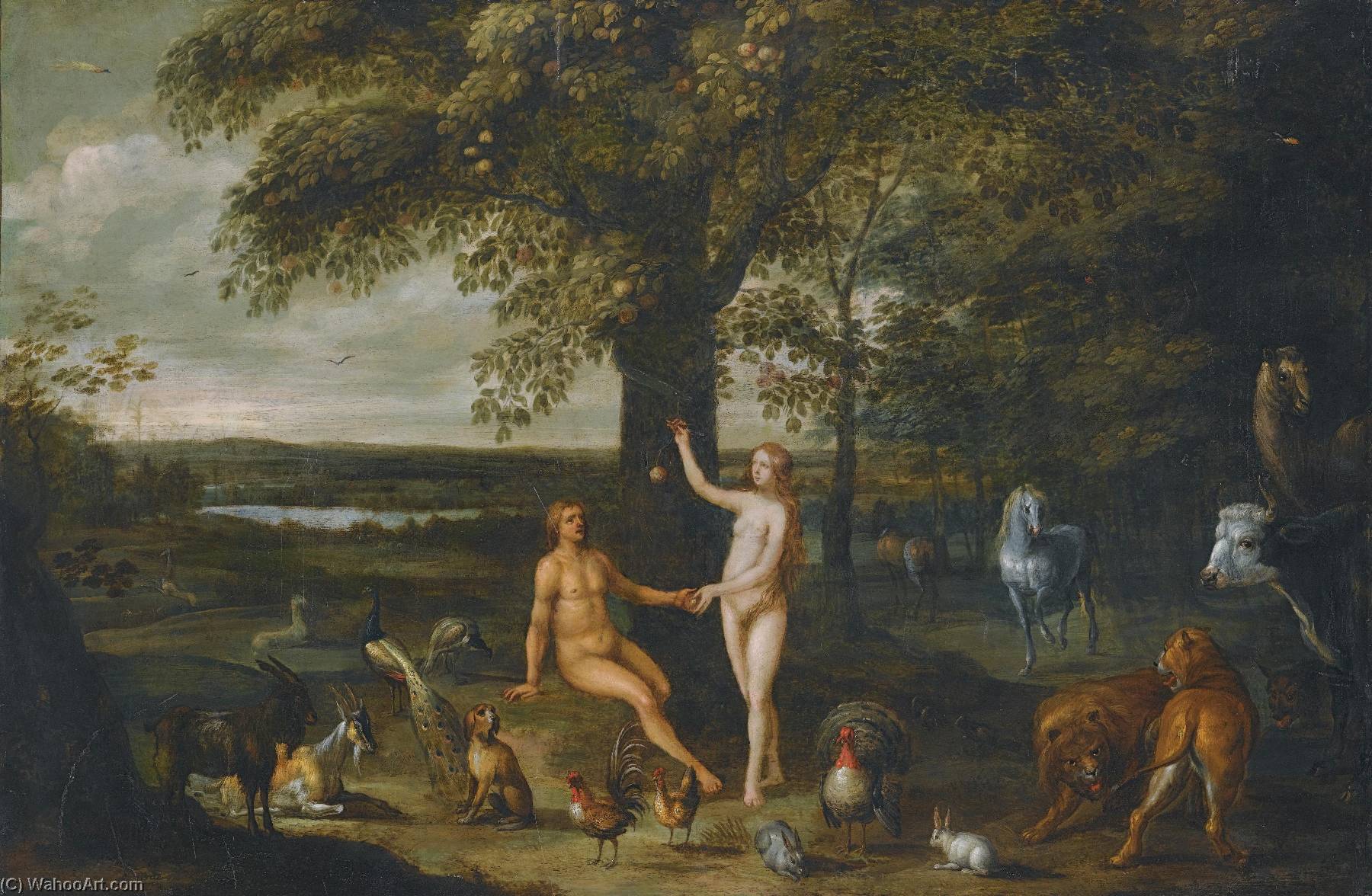
The Fall of Man
 70.0 x 106.0 cm
 Read More
Hand Made Oil Reproduction
Hand-painted oil on canvas in your size and frame, made to order by our artists. ( Buy Print Buy Image)




































Pick from our preset sizes that match the artwork's original proportions.

You may enter your own dimensions to fit a specific frame or space. If your selected size does not match the original image's proportions, we will either crop the artwork or extend the painting with additional hand-painted elements. A digital mockup will be sent for your approval before production begins.
Please note that the on-screen preview does not reflect the actual cropping or extension. Only the mockup will accurately show the final composition.
While custom sizes are available, we recommend selecting a dimension from the predefined list to preserve the original proportions.
After order, ArtsDot.com team will email client for instructions and provide a mockup preview
Worldwide Delivery () in 3/4 weeks instead of standard 5 weeks. (17 August). No compromise on quality.

Free Worldwide Express Shipping

High-Quality Linen Canvas

Full Shipping Insurance

Customs Tax Refund Guarantee

True Color Matching Guarantee

60-Day Return Policy (Defects Only)

100% Money-Back Guarantee

Bulk Discount Offer
 Glass option is only available in size under 110 CM

The Fall of Man
Reproduction Medium
Reproduction Size
-


Total Price
$ 263
Related Artworks
Artist Biography
Isaac van Oosten: Painter of Tranquility and Biblical Echoes
Isaac van Oosten (1613 – 1661) remains a figure shrouded in relative obscurity compared to his contemporaries, Jan Brueghel the Elder and Peter Paul Rubens. Yet, within the artistic landscape of Antwerp during the Dutch Golden Age, he carved out a distinctive niche—a serene mastery of landscape painting infused with profound religious symbolism. His canvases whisper tales of biblical narratives rendered with meticulous detail and bathed in an ethereal light that transcends mere observation.
Little is definitively known about his formative years. Born into a family involved in the art trade, he apprenticed under his father, who himself was a respected guild master—a circumstance that ensured access to artistic training but simultaneously limited formal documentation. The Guild of Saint Luke’s reluctance to record membership details contributes to this enigmatic aura surrounding his early life.
Despite initial hesitation regarding guild affiliation, Van Oosten eventually secured admittance in 1652 and continued his artistic pursuits for approximately a decade. This relatively brief involvement with the guild underscores the importance of patronage—likely from wealthy Antwerp families—which fueled his creative output.
The Landscape Style of Antwerp
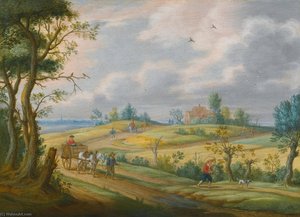
Van Oosten’s artistic vision was firmly rooted in the prevailing landscape style of Antwerp, which emerged during the mid-17th century. Influenced heavily by Jan Brueghel the Elder, he embraced a technique characterized by expansive vistas populated with carefully rendered trees and ponds—a stylistic hallmark that distinguishes him from artists focused on denser forest scenes. This approach prioritized tranquility and contemplation, mirroring the humanist ideals of the era.
His compositions eschewed dramatic contrasts of light and shadow, favoring instead an even illumination that conveyed a sense of serenity. The artist’s meticulous attention to detail—particularly in depicting flora and fauna—was remarkable. He skillfully utilized copper panels, which provided exceptional surface smoothness allowing for unparalleled precision in capturing textures and colors.
Biblical Narratives Illuminated
Perhaps Van Oosten's most enduring legacy lies in his masterful depiction of biblical themes. Recurring motifs included *The Garden of Eden* and *The Creation of the Animals*, narratives that had gained prominence thanks to Jan Brueghel the Elder’s pioneering explorations of religious iconography. These scenes weren’t merely decorative; they served as vehicles for conveying moral lessons—a testament to the artist's engagement with humanist philosophy.
Collaboration was integral to Van Oosten’s artistic process. Willem van Herp frequently contributed staffage figures – human subjects – to his landscapes, enhancing the narrative dimension of his paintings. Notably, he partnered with Pieter van Avont and Jan Wildens on monumental panels depicting *The Four Elements*, demonstrating a commitment to ambitious projects that showcased both technical skill and imaginative vision.
Notable Works and Legacy
Among Van Oosten’s celebrated canvases are *Landscape with the Ruins of an Abbey* animated with figures, housed in museums across Europe—including the Uffizi Gallery and Museo del Prado. These works exemplify his distinctive style and underscore his contribution to the Antwerp school of landscape painting.
His influence extended beyond stylistic considerations; Van Oosten’s meticulous observation of nature and his ability to infuse biblical narratives with visual richness solidified his place as a pivotal figure in 17th-century Flemish art. Although overshadowed by more flamboyant contemporaries, Isaac van Oosten's canvases continue to captivate viewers with their quiet beauty and profound spiritual resonance—a testament to the enduring power of understated artistic excellence.
isaac van oosten
1613 - 1661
Quick Facts
- Artistic Movement Or Style: Baroque Landscape Painting
- Artists Or Movements Influenced By This Artist: ['Jan Brueghel the Younger']
- Artists Who Influenced This Artist: ['Jan Brueghel the Elder']
- Date Of Birth: December 10, 1613
- Date Of Death: December 1661
- Full Name: Isaac van Oosten
- Nationality: Flemish
- Notable Artworks: ['Landscape with Ruins of Abbey']
- Place Of Birth: Antwerp, Belgium