

 Preview
 Send
Send Share
Share
 Details

 Download
 Similars
 X-Ray
X-Ray Diaporama
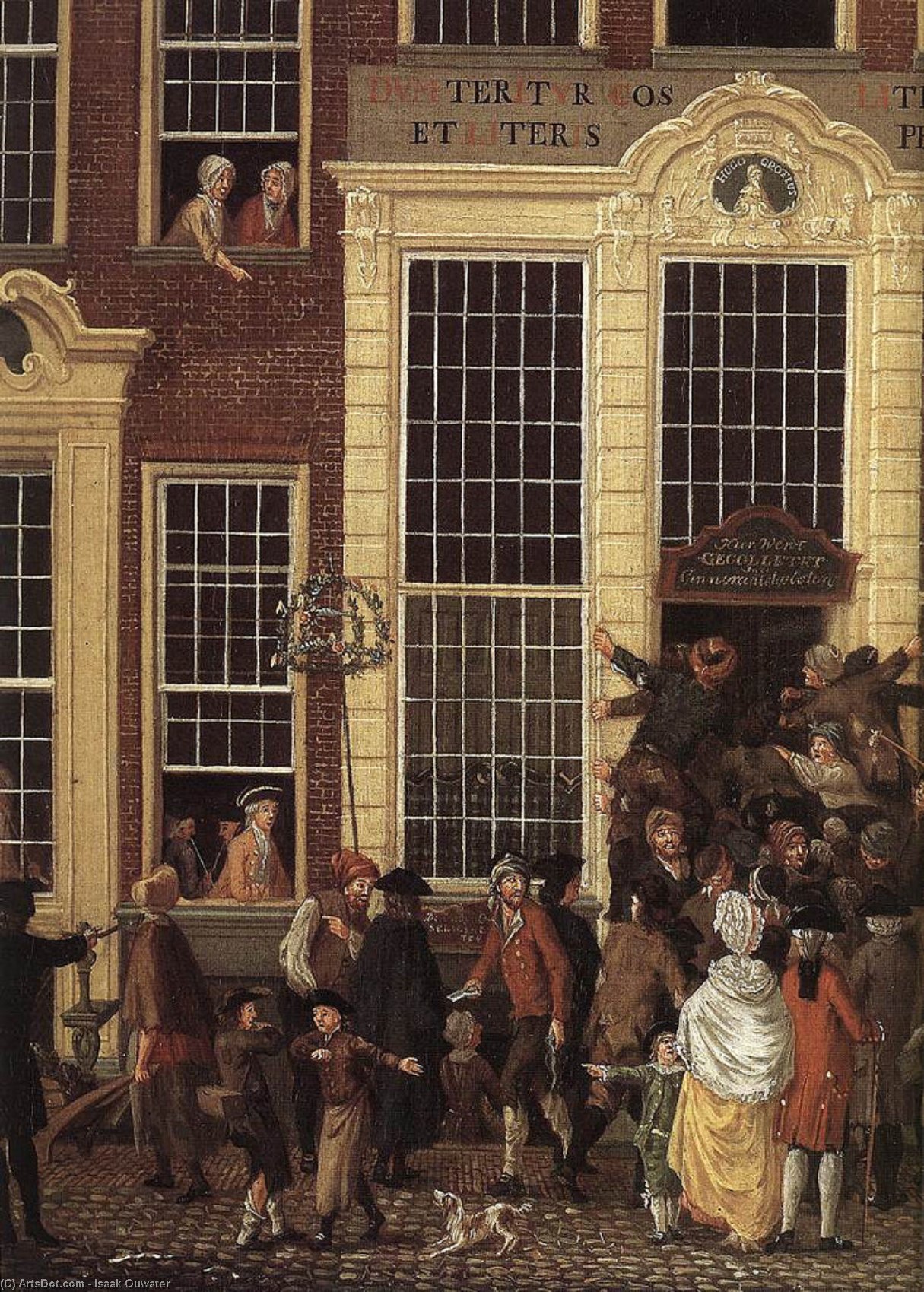
The Lottery Office (detail)


 Read More
Purchase a high-resolution, enhanced digital image, far superior to the online preview.
Each file is meticulously prepared by our in-house specialists using advanced tools and expert manual retouching. We ensure every image has exceptional clarity, precise color accuracy, and fine detail.
The final file is delivered via email within 72 hours, optimized for immediate use in professional, editorial, and print environments. This is the same quality trusted by top-tier design studios, publishers, and galleries.
Digital Image
Download a high-resolution file for personal display, printing, and creative projects. ( Buy Print Buy Hand Made Painting)
Included in Every Digital Image Order
Expert Digital Delivery, Guaranteed
When you choose ArtsDot.com, you're not just getting an image - you're receiving a professionally enhanced digital artwork, crafted with precision and backed by a satisfaction guarantee. Here's everything that comes with your order, automatically:

Fast Email Delivery
Your high-resolution digital image file will be emailed to you within 72 hours of ordering - ready for immediate use.

AI-Enhanced Digital File
Your artwork is professionally optimized using advanced AI tools and manual editing, ensuring maximum detail, clarity, and color accuracy.

Free Lifetime Re-Delivery
Accidentally deleted or lost your file? No worries - we'll resend it to you anytime, free of charge.

No Import Fees - Ever
Enjoy your artwork instantly with zero customs, duties, or delivery fees - digital downloads are always tax-free.

Color Accuracy Guarantee
We ensure your digital image reflects the original colors as closely as possible using professional tools and color management.

60-Day Satisfaction Guarantee
If you're not satisfied with your digital image, we'll revise it or refund 100% within 60 days - no questions asked.

100% Money-Back Guarantee
Not satisfied? Get a full refund within 60 days of receiving your digital file - no questions asked.

Bulk Order Discounts
Buy 3 images, save 10% - Buy 5, save 15% - Buy 10+, save 20%. Great for creative projects, galleries, and agencies.
Collectible Description
A Glimpse into the Heartbeat of a Dutch Street
To stand before this depiction of "The Lottery Office (detail)" is to be instantly transported across the centuries, down cobblestone lanes into the vibrant, breathing tapestry of a 17th-century Dutch cityscape. The scene pulses with an almost palpable energy; it is not merely a collection of buildings and figures, but a moment suspended in time—a snapshot of commerce, gossip, and daily human drama unfolding around an establishment marked by ornate signage. One can almost hear the murmur of conversations, the clatter of unseen hooves, and the calls of vendors echoing off the aged brickwork. The composition is wonderfully crowded, eschewing empty space for a rich density that speaks volumes about the communal life of the era.
Mastery in Technique and Atmosphere
The artist, Isaak Ouwater, demonstrates a profound understanding of realism, even if the original medium was watercolor—a choice that lends an ethereal luminosity to the scene. While the description notes the technique is characteristic of oil painting, Ouwater’s documented preference for watercolor allowed him to achieve unparalleled atmospheric perspective and delicate tonal gradations. Observe how the light plays across the facades; it is uneven, creating deep pockets of shadow that lend incredible volume and depth to the architectural elements. The handling of paint suggests a meticulous layering process, where rougher textures hint at the artist's brushwork while smoother blending defines the contours of faces and garments. This technical skill allows the viewer’s eye to wander naturally, from the sharp definition of a window frame to the soft folds of a passing cloak.
The Rich Context of Dutch Life
This piece is more than just an architectural study; it is a profound document of social history. The subject matter—the bustling intersection around what appears to be a local office or gathering point—places us squarely within the mercantile spirit of the Dutch Golden Age. These scenes were vital records, capturing not only the physical layout of Amsterdam but also its social strata. From the figures engaged in animated discourse to those merely observing from doorways, the painting celebrates the everyday ritual of urban existence. It speaks to a society deeply invested in visible commerce and public life.
Symbolism of Community and Exchange
While overt symbolism is subtle, it resides within the very act of gathering. The central focus on the sign suggests that information, trade, and community connection were the lifeblood of this locale. The overlapping figures are a visual metaphor for human interdependence; no single person exists in isolation here. For the modern collector or designer, this piece offers an emotional resonance—a yearning for authentic connection amidst the rush of contemporary life. Reproducing such a work allows one to bring that sense of historical warmth and vibrant community spirit into a contemporary interior space.
Related Artworks

Artist Biography
Isaak Ouwater: Capturing Amsterdam’s Soul in Watercolor
Isaak Ouwater (1750 – 1793) emerged as a prominent figure within the Dutch Golden Age artistic landscape, leaving an indelible mark on the genre of cityscape painting. Born in Amsterdam, his formative years coincided with a period of remarkable cultural flourishing—a time when artists like Rembrandt and Vermeer had already established themselves as masters—yet Ouwater carved out his own distinctive path, specializing in exquisitely rendered watercolors that captured the essence of urban life during the Enlightenment. Unlike many contemporaries who favored oil paint for its durability and grandeur, Ouwater championed watercolor’s luminous qualities, achieving unparalleled levels of realism and atmospheric perspective.- Early Life & Training: Little is known about Ouwater's formal artistic education beyond his apprenticeship with Johann Christian Feyens, a celebrated landscape painter who instilled in him the principles of meticulous observation and tonal gradation—techniques crucial to mastering watercolor’s delicate medium.
- Amsterdam Landscapes – A Vision of Enlightenment: Ouwater’s oeuvre is overwhelmingly devoted to depicting Amsterdam. His canvases aren't merely topographical representations; they are imbued with a palpable sense of civic pride and intellectual curiosity. He meticulously documented the city’s architectural landmarks—the Nieuwe Kerk (New Church) on Dam Square, Town Hall, and countless canals—presenting them not as static monuments but as dynamic spaces teeming with life.
Notable Works & Artistic Achievements
Among Ouwater’s most celebrated paintings are “The Lottery Office” and “The New Church and Town Hall on Dam Square,” both masterpieces that exemplify his mastery of watercolor technique and artistic vision. "The Lottery Office," completed in 1779, showcases a bustling marketplace scene bathed in warm sunlight—a testament to Ouwater's ability to capture the vibrancy of daily life with breathtaking detail. Similarly, “The New Church & Town Hall” portrays Dam Square with remarkable precision, highlighting the grandeur of the ecclesiastical and civic institutions that defined Amsterdam’s identity. These paintings are housed in prestigious collections across Europe, cementing Ouwater’s reputation as one of the foremost landscape artists of his generation.Influences & Artistic Legacy
Ouwater's artistic sensibilities were undoubtedly shaped by the prevailing intellectual currents of the Enlightenment—a movement that championed reason and empirical observation. Like many Dutch artists of his time, he drew inspiration from Claude Lorrain’s idealized landscapes, adapting classical compositional principles to depict scenes of urban grandeur. However, Ouwater distinguished himself through his unwavering commitment to realism and tonal gradation—approaches that anticipated developments in Impressionism decades later. His meticulous watercolor technique continues to inspire artists today, demonstrating the enduring power of observation and artistic innovation.Historical Significance
Isaak Ouwater’s contribution to Dutch art history extends beyond his individual paintings; he represents a pivotal moment in the evolution of landscape painting—a transition from idealized representations to psychologically informed depictions of urban spaces. His work serves as an invaluable record of Amsterdam during the Enlightenment, capturing not only its architectural splendor but also its social and cultural dynamism. Ouwater’s legacy resides in his unwavering dedication to watercolor’s luminous qualities and his profound understanding of how art could illuminate the human condition—a testament to the enduring brilliance of a singular artistic talent.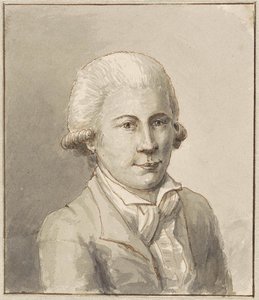
isaak ouwater
1750 - 1793 , Netherlands
Quick Facts
- Artistic Movement Or Style: Dutch Golden Age
- Date Of Birth: Amsterdam, Netherlands (1750)
- Date Of Death: 1793
- Full Name: Isaak Ouwater
- Nationality: Dutch
- Notable Artworks:
- The Lottery Office
- The New Church and the Town Hall on Dam Square
- Place Of Birth: Amsterdam

