 Preview
 Send
Send Share
Share
 Details

 Download
 Similars
 X-Ray
X-Ray Diaporama
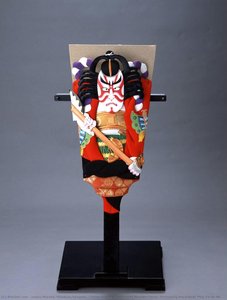
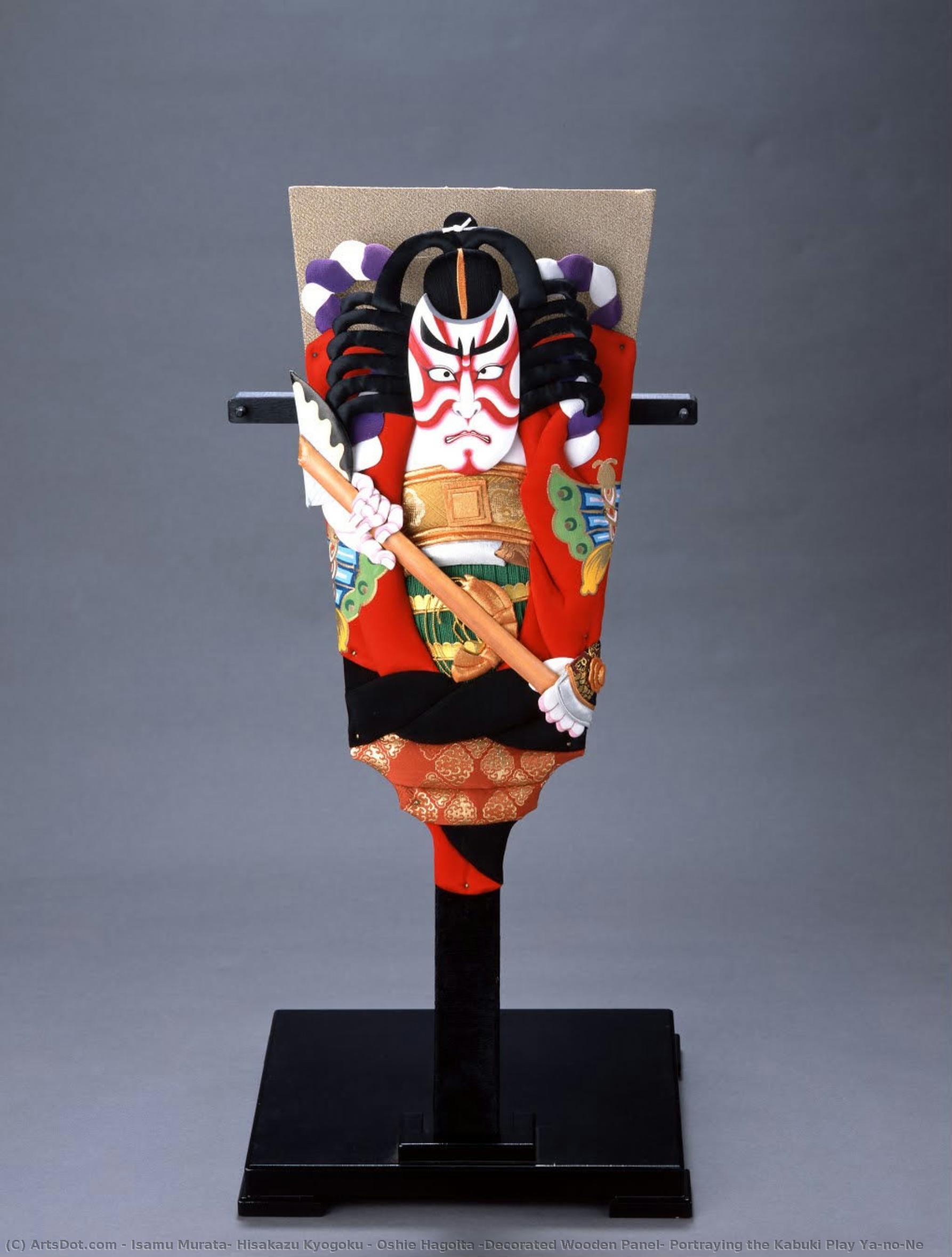
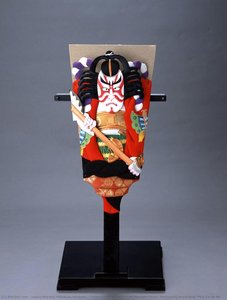
Oshie Hagoita (Decorated Wooden Panel) Portraying the Kabuki Play Ya-no-Ne
 23.0 x 61.0 cm
 Saitama Prefectural Museum of History and Folklore
 Read More
Hand Made Oil Reproduction
Hand-painted oil on canvas in your size and frame, made to order by our artists. ( Buy Print Buy Image)




































Pick from our preset sizes that match the artwork's original proportions.

You may enter your own dimensions to fit a specific frame or space. If your selected size does not match the original image's proportions, we will either crop the artwork or extend the painting with additional hand-painted elements. A digital mockup will be sent for your approval before production begins.
Please note that the on-screen preview does not reflect the actual cropping or extension. Only the mockup will accurately show the final composition.
While custom sizes are available, we recommend selecting a dimension from the predefined list to preserve the original proportions.
After order, ArtsDot.com team will email client for instructions and provide a mockup preview
Worldwide Delivery () in 3/4 weeks instead of standard 5 weeks. (31 August). No compromise on quality.

Free Worldwide Express Shipping

High-Quality Linen Canvas

Full Shipping Insurance

Customs Tax Refund Guarantee

True Color Matching Guarantee

60-Day Return Policy (Defects Only)

100% Money-Back Guarantee

Bulk Discount Offer
 Glass option is only available in size under 110 CM

Oshie Hagoita (Decorated Wooden Panel) Portraying the Kabuki Play Ya-no-Ne
Reproduction Medium
Reproduction Size
-


Total Price
$ 263
Related Artworks








Artist Biography
The Soul of Kabuki Embodied in Wood
Isamu Murata stands as a singular figure within the realm of Japanese woodblock printing, a testament to meticulous craftsmanship and an unwavering devotion to capturing the essence of theatrical tradition. Born in 1929, Murata’s artistic journey began with a fascination for Western art forms, particularly the dreamlike landscapes of Surrealism. Influenced by luminaries such as Salvador Dalí and Giorgio de Chirico, his early sensibilities were shaped by the unexpected juxtapositions and psychological depths found in European modernism. However, this initial interest in the avant-garde eventually gave way to a profound encounter with the teachings of Kumoemon Tochuken, a pivotal moment that steered him toward the revival of Edo-period woodblock printing techniques—a movement dedicated to preserving Japan's cultural heritage amidst the tides of rapid modernization.
Murata’s artistic philosophy centered on conveying raw emotion through precise, painstaking detail. He did not merely seek to replicate a likeness; rather, he meticulously studied the dramatic movements and intense expressions of kabuki performers, translating them into intricate carvings that captured psychological nuance. His dedication to mastering traditional methods, including sumie (ink wash painting) and ukiyo-e (woodblock prints), solidified his reputation as a master craftsman. Unlike many of his contemporaries who prioritized abstraction or conceptual exploration, Murata steadfastly adhered to classical techniques, a deliberate choice reflecting his deep-seated belief in honoring the artistic legacy of Japan's past.
The Artistry of Oshie Hagoita
The pinnacle of Murata’s technical achievement is found in his creation of oshie hagoita—elaborate wooden panels that serve as much more than mere decoration. While traditional hagoita are used as rackets in the New Year's game of hanetsuki, these special oshie versions are crafted exclusively for indoor display. Murata’s breakthrough involved a sophisticated method of creating three-dimensional portrayals of kabuki actors and legendary scenes. This process required an extraordinary level of skill: arranging cotton on a mounting board attached to wood, then covering these soft arrangements with fine woven cloth, often silk, to create a sculptural effect.
Through this medium, Murata achieved a breathtaking blend of realism and symbolic representation. His work often features iconic characters, such as Soga Goro from the famous kabuki play Ya-no-Ne, rendered with the striking kumadori stage makeup. The use of bright red stripes in these depictions serves to communicate the character's intense emotions and strength. By breathing life into wood and fabric, Murata ensured that the dramatic spirit of the theater remained tangible and vibrant for future generations.
A Legacy of Cultural Preservation
The historical significance of Isamu Murata’s work lies in his role as a bridge between eras. By embracing the Tochuken legacy, he helped revive techniques that had begun to wane during the Meiji Era, ensuring that the intricate artistry of the Edo period did not vanish under the pressure of modern industrialization. His life's work represents a harmonious intersection of diverse influences:
- Early Artistic Foundations: A formative exposure to Western Surrealism that provided a unique perspective on visual expression and psychological depth.
- The Revivalist Movement: A commitment to the preservation of traditional Japanese woodblock printing and the reclamation of lost craftsmanship.
- Technical Mastery: The seamless integration of sumie, ukiyo-e, and the three-dimensional oshie technique to create emotive, tactile art.
- Cultural Stewardship: The transformation of theatrical subjects into permanent cultural artifacts that celebrate the history of Kabuki.
Today, the works of Murata and his collaborators continue to be celebrated in prestigious institutions like the Saitama City Museum, serving as enduring symbols of Japan's rich aesthetic heritage. His ability to capture the very soul of kabuki within the grain of wood remains an unparalleled achievement in the history of Japanese folk art.
Quick Facts
- Artistic Movement Or Style: Surrealism
- Artists Or Movements Influenced By This Artist:
- Salvador Dalí
- Giorgio de Chirico
- Artists Who Influenced This Artist:
- Andrew Wyeth
- Steve McCurry
- Date Of Birth: July 31, 1970
- Full Name: Isamu Kamikokuryo
- Nationality: Japanese
- Notable Artworks:
- Final Fantasy XIII
- Lightning Returns: Final Fantasy XIII
- Place Of Birth: Tokyo, Japan