

 Preview
 Send
Send Share
Share
 Details

 Download
 Similars
 X-Ray
X-Ray Diaporama
 Stats
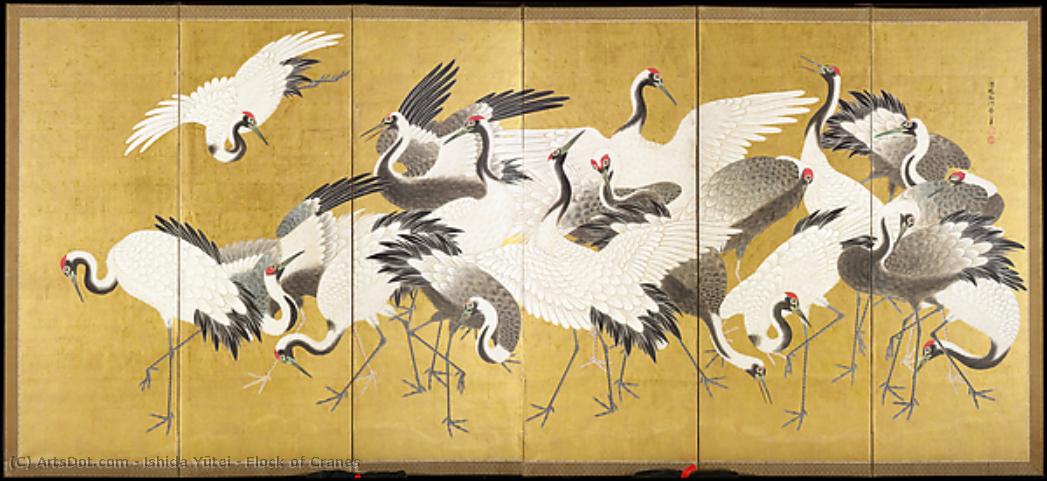
StatsFlock of Cranes
 1767
1767 156.0 x 358.0 cm
 Read More
Purchase a high-resolution, enhanced digital image, far superior to the online preview.
Each file is meticulously prepared by our in-house specialists using advanced tools and expert manual retouching. We ensure every image has exceptional clarity, precise color accuracy, and fine detail.
The final file is delivered via email within 72 hours, optimized for immediate use in professional, editorial, and print environments. This is the same quality trusted by top-tier design studios, publishers, and galleries.
Digital Image
Download a high-resolution file for personal display, printing, and creative projects. ( Switch to Print Buy Hand Made Painting)
Included in Every Digital Image Order
Expert Digital Delivery, Guaranteed
When you choose ArtsDot.com, you're not just getting an image - you're receiving a professionally enhanced digital artwork, crafted with precision and backed by a satisfaction guarantee. Here's everything that comes with your order, automatically:

Fast Email Delivery
Your high-resolution digital image file will be emailed to you within 72 hours of ordering - ready for immediate use.

AI-Enhanced Digital File
Your artwork is professionally optimized using advanced AI tools and manual editing, ensuring maximum detail, clarity, and color accuracy.

Free Lifetime Re-Delivery
Accidentally deleted or lost your file? No worries - we'll resend it to you anytime, free of charge.

No Import Fees - Ever
Enjoy your artwork instantly with zero customs, duties, or delivery fees - digital downloads are always tax-free.

Color Accuracy Guarantee
We ensure your digital image reflects the original colors as closely as possible using professional tools and color management.

100-Day Satisfaction Guarantee
If you're not satisfied with your digital image, we'll revise it or refund 100% within 100 days - no questions asked.

100% Money-Back Guarantee
Not satisfied? Get a full refund within 100 days of receiving your digital file - no questions asked.

Bulk Order Discounts
Buy 3 images, save 10% - Buy 5, save 15% - Buy 10+, save 20%. Great for creative projects, galleries, and agencies.
Related Artworks





Artist Biography
Jean-Antoine Watteau: A Painter of Dreams and Fêtes
Jean-Antoine Watteau, born in Valenciennes in 1684 and tragically dying in Nogent-sur-Marne in 1721, remains one of the most enigmatic and profoundly influential figures in the history of French painting. His brief but brilliant career—spanning just fifteen years—ushered in a new era of artistic sensibility, shifting away from the rigid formality of the Baroque towards the ethereal beauty and playful charm of the Rococo. More than simply a painter, Watteau was an inventor of mood, a master of atmosphere, and a visionary who captured the fleeting pleasures and romantic ideals of his age.
Watteau’s early life was marked by a certain instability. Born into a modest family—his father, a roofer, was known for his volatile temper—he received an unconventional education, initially apprenticed to a local craftsman before finding his way to Paris. It was in the bustling artistic environment of Saint-Germain-des-Prés that he began to hone his skills, initially copying religious and genre paintings for a wealthy manufacturer. This period, though challenging, provided invaluable experience and introduced him to the influential figures who would shape his artistic development – notably Jacques-Albert Gérin, who instilled in him a love for theatricality and fantasy, and Claude Gillot, whose guidance fostered Watteau’s unique approach to composition and color.
The Rise of the Fête Galante
Watteau's most significant contribution to art lies in his invention of the *fête galante*, a genre that perfectly captured the spirit of the age. These intimate, often small-scale paintings depict scenes of aristocratic leisure and romantic encounters – picnics, masked balls, musical gatherings – set against idyllic landscapes. Unlike traditional history painting or portraiture, the *fêtes galantes* lacked narrative; instead, they focused on capturing a specific mood, an atmosphere of dreamy pleasure and refined sensibility. Watteau’s subjects are often depicted in graceful poses, engaged in activities that suggest both sophistication and innocent delight.
The influence of Rubens is readily apparent in Watteau's work, particularly his use of vibrant color and dynamic brushwork. However, Watteau transcended mere imitation, imbuing these influences with a distinctly French sensibility. He skillfully blended classical elements with contemporary trends, creating images that were both elegant and accessible. His compositions are characterized by a remarkable sense of space and movement, as if the figures are caught in a fleeting moment of enchantment.
Patronage and Artistic Development
Watteau’s career benefited significantly from the patronage of influential figures, most notably Pierre Crozat, a wealthy financier who provided him with lodging and access to a vast collection of art. This association exposed Watteau to the works of Rubens and other masters, further refining his technique and expanding his artistic horizons. Claude Audran III, another decorator and painter, also played a crucial role in Watteau’s development, introducing him to the principles of interior design and fostering his interest in arabesques and decorative motifs.
Despite his growing reputation, Watteau faced considerable challenges. He was never sent to study in Italy, as was customary for promising young artists, and his unconventional style often clashed with the established norms of the Royal Academy. However, he persevered, earning a second-place prize at the Prix de Rome in 1709 and eventually gaining membership in the Academy in 1712. His most celebrated work, “Pilgrimage to Cythera,” submitted to the Academy in 1717, cemented his position as a leading figure in French art.
Legacy and Lasting Influence
Watteau’s untimely death at the age of thirty-six cut short a brilliant career, but his influence on subsequent generations of artists was profound. His *fêtes galantes* inspired a host of imitators, including Lancret and Pater, who sought to capture the same atmosphere of dreamy pleasure and refined sensibility. Watteau's innovative use of color, his masterful handling of brushwork, and his ability to evoke a specific mood continue to resonate with viewers today. He is remembered not only as a painter but also as a pioneer of Rococo art—a movement that celebrated beauty, grace, and the pleasures of the senses.
Watteau’s legacy extends beyond the realm of painting; his work embodies the spirit of an era – a time of aristocratic leisure, refined sensibilities, and a fascination with the ephemeral nature of beauty. His paintings remain treasured examples of Rococo art, offering a glimpse into the world of 18th-century France and the enduring power of artistic vision.

ishida yūtei
1721 - 1786 , Japan
Quick Facts
- Artistic Movement Or Style: Rococo, Fêtes Galantes
- Artists Or Movements Influenced By This Artist:
- Rubens
- Correggio
- Artists Who Influenced This Artist:
- Claude Gillot
- Claude Audran III
- Date Of Birth: October 10, 1684
- Date Of Death: July 18, 1721
- Full Name: Jean-Antoine Watteau
- Nationality: French
- Notable Artworks:
- Pilgrimage to Cythera
- Pierrot
- Gersaint’s Shopsign
- Place Of Birth: Valenciennes, France