

 Send
Send Share
Share
 Details

 Download
 Similars
 Diaporama
 Stats
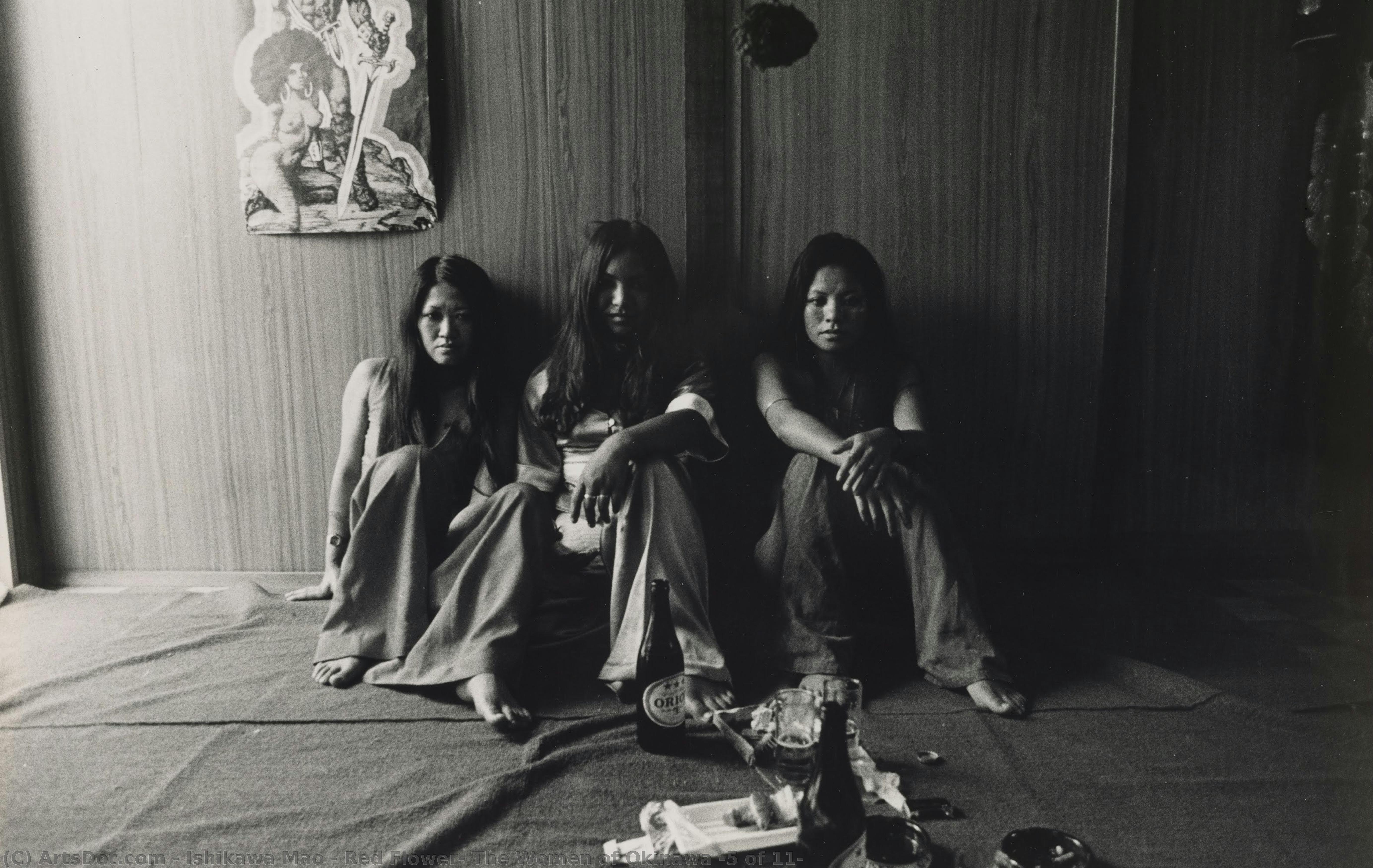
StatsRed Flower: The Women of Okinawa (5 of 11)
 Black and White Photography
- Photo
- Documentary Realism
 1975
1975 15.0 x 23.0 cm
 Queensland Art Gallery | Gallery of Modern Art
 Read More
Purchase a high-resolution, enhanced digital image, far superior to the online preview.
Each file is meticulously prepared by our in-house specialists using advanced tools and expert manual retouching. We ensure every image has exceptional clarity, precise color accuracy, and fine detail.
The final file is delivered via email within 72 hours, optimized for immediate use in professional, editorial, and print environments. This is the same quality trusted by top-tier design studios, publishers, and galleries.
Digital Image
Download a high-resolution file for personal display, printing, and creative projects. ( Switch to Print Buy Hand Made Painting)
Included in Every Digital Image Order
Expert Digital Delivery, Guaranteed
When you choose ArtsDot.com, you're not just getting an image - you're receiving a professionally enhanced digital artwork, crafted with precision and backed by a satisfaction guarantee. Here's everything that comes with your order, automatically:

Fast Email Delivery
Your high-resolution digital image file will be emailed to you within 72 hours of ordering - ready for immediate use.

AI-Enhanced Digital File
Your artwork is professionally optimized using advanced AI tools and manual editing, ensuring maximum detail, clarity, and color accuracy.

Free Lifetime Re-Delivery
Accidentally deleted or lost your file? No worries - we'll resend it to you anytime, free of charge.

No Import Fees - Ever
Enjoy your artwork instantly with zero customs, duties, or delivery fees - digital downloads are always tax-free.

Color Accuracy Guarantee
We ensure your digital image reflects the original colors as closely as possible using professional tools and color management.

100-Day Satisfaction Guarantee
If you're not satisfied with your digital image, we'll revise it or refund 100% within 100 days - no questions asked.

100% Money-Back Guarantee
Not satisfied? Get a full refund within 100 days of receiving your digital file - no questions asked.

Bulk Order Discounts
Buy 3 images, save 10% - Buy 5, save 15% - Buy 10+, save 20%. Great for creative projects, galleries, and agencies.
The Quiet Resilience of Okinawa
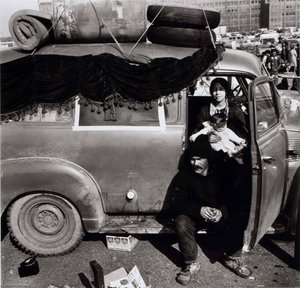
This arresting monochrome portrait, captured in 1975 by Mao Ishikawa, transports the viewer directly into the heart of Okinawan life during a period of profound transition. The image is not merely a record; it is an act of witnessing. Three Okinawan women are seated together on the floor against a richly textured wall, their presence commanding an immediate sense of intimacy. Ishikawa’s gaze, famously empathetic yet unflinching, allows us into a private moment, suggesting a quiet defiance woven into the fabric of everyday existence. The composition guides the eye across the subtle variations in posture and expression, hinting at untold stories beneath the surface calm.
A Study in Monochrome Texture and Form
Technically, the photograph is a masterclass in black and white tonality. Ishikawa utilizes the stark contrast between deep shadows and luminous highlights to sculpt the figures from their environment. The rough, palpable texture of the background wall serves as a dramatic foil to the softer contours of the women’s skin and clothing. This interplay between coarse and smooth, light and dark, elevates the portrait beyond simple documentation into something deeply tactile. The overall effect is one of timeless realism; the diffused, natural lighting wraps the subjects in a soft glow that nevertheless emphasizes the strength inherent in their forms.
Historical Echoes: Life Under Occupation
To understand this photograph is to understand Okinawa itself—a place whose identity has been repeatedly shaped by external forces. Taken when the island was navigating the complex aftermath of war and American military presence, these women become potent symbols of Okinawan resilience. Ishikawa’s work consistently navigates the delicate space between cultural preservation and geopolitical upheaval. Here, in this quiet gathering, we see a community asserting its own rhythm against a backdrop of historical turbulence. It speaks to a culture deeply rooted yet constantly negotiating its place in the modern world.
Symbolism of Connection and Endurance
The grouping of the women suggests a powerful bond—a shared history, mutual support, and an unspoken understanding that transcends words. Their poses are relaxed, yet imbued with a certain dignity; they are not performing for the camera, but rather existing within their own moment. This sense of enduring connection makes the piece profoundly moving. For collectors and those seeking art with narrative weight, this print offers more than aesthetic pleasure; it offers a window into human fortitude, captured with the grace only true artistic empathy can achieve.
Related Artworks

Artist Biography
A Life Immersed: The Photography of Mao Ishikawa
Born in 1953 in the village of Ogimi, Okinawa, Japan, Mao Ishikawa’s life and artistic vision are inextricably linked to the complex history and vibrant culture of her island home. More than simply a documentarian, Ishikawa is an immersive storyteller, a chronicler of lives lived on the periphery, and a fearless observer of the socio-political forces that have shaped modern Okinawa. Her work isn't about *looking* at a subject; it’s about living within its world, breathing its air, and understanding its unspoken narratives. This deep engagement defines her photographic practice, resulting in images that possess an intimacy and raw honesty rarely encountered. From the bustling energy of American military clubs to the quiet dignity of Okinawan port towns, Ishikawa's lens captures a reality often overlooked by mainstream perspectives.Early Visions: Documenting a Changing Okinawa
Ishikawa’s journey into photography began during a period of significant transition for Okinawa. Following decades under U.S. administration, the island was returned to Japan in 1972, but this return did not bring complete liberation. The continued presence of American military bases and the complex relationship between Okinawan identity and Japanese sovereignty became central themes in her work. Initially studying with Shomei Tomatsu at the Workshop School of Photography in Tokyo, Ishikawa quickly forged her own path, returning to Okinawa determined to document the lives unfolding around her. Her early series, Red Flower: The Women of Okinawa (1975), stands as a powerful testament to this commitment. This poignant black-and-white collection offered an unflinching look at the women working in bars catering to American servicemen – individuals often marginalized and misunderstood. Ishikawa didn’t shy away from portraying their resilience, vulnerability, and quiet strength, creating portraits that were both empathetic and profoundly revealing. This work wasn't merely observation; she lived amongst her subjects, fostering a trust that allowed for an unprecedented level of intimacy. This immersive approach became a hallmark of her style, setting her apart as a photographer deeply invested in the stories she told.Political Awakening: Confronting the U.S. Military Presence
As Ishikawa’s career progressed, her work took on increasingly explicit political undertones. While always rooted in human experience, she began to directly address the contentious issue of the U.S. military presence in Okinawa and the growing distrust towards the Japanese government's handling of the situation. Her photographs moved beyond individual portraits to encompass broader scenes – active soldiers, sprawling military bases both within Japan and abroad, and the tangible impact these forces had on Okinawan life. This shift wasn’t a sudden departure but rather a natural evolution, born from her deep connection to the island and its people. She began using her photography as a form of social commentary and activism, challenging dominant narratives and giving voice to those often silenced. This period solidified Ishikawa's role not just as an artist, but as a vital chronicler of her time, fearlessly documenting the complexities of a politically charged landscape.The Great Ryukyu Photo Scroll & Lasting Legacy
Ishikawa’s most ambitious and ongoing project, Great Ryukyu Photo Scroll (2014-), exemplifies her evolving artistic vision. This narrative-driven work employs satire, pop culture references, and a playful reimagining of historical events to reconstruct key moments in Okinawan history. It's a bold departure from traditional documentary photography, yet it remains deeply rooted in her commitment to truth and social commentary. The series serves as a powerful reinterpretation of the past, challenging conventional understandings and prompting viewers to question established narratives. Ishikawa’s contributions have been widely recognized, culminating in the Lifetime Achievement Award from the Photographic Society of Japan in 2019. Her work has been exhibited internationally at prestigious institutions including the Yokohama Museum of Art, Queensland Art Gallery, Tokyo Photographic Art Museum, Okinawa Prefectural Museum, and MoMA PS1. Mao Ishikawa’s legacy lies not only in her stunning photographs but also in her unwavering dedication to documenting truth, fostering dialogue, and preserving the cultural memory of Okinawa – a testament to the power of photography as a force for social change and artistic expression.Influences & Artistic Style
- Documentary Tradition: Ishikawa’s work resonates with documentary traditions focused on social realism and marginalized communities, prioritizing deep engagement with her subjects.
- Immersive Approach: Her style suggests an affinity for photographers who prioritize deep engagement with their subjects, living within the environments she documents.
- Raw Aesthetic & Narrative Quality: She blends a raw, unflinching aesthetic with a subtle narrative quality, creating images that are both visually striking and emotionally resonant.
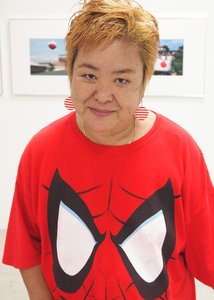
ishikawa mao
1953 - , Japan
Quick Facts
- Artistic Movement Or Style: Documentary photography
- Artists Who Influenced This Artist: ['Shomei Tomatsu']
- Date Of Birth: 1953
- Full Name: Mao Ishikawa
- Nationality: Japanese
- Notable Artworks:
- Red Flower: Okinawa
- A Port Town Elegy
- Great Ryukyu Photo Scroll
- Place Of Birth: Ogimi, Japan