 Preview
 Send
Send Share
Share
 Details

 Download
 Similars
 X-Ray
X-Ray Diaporama
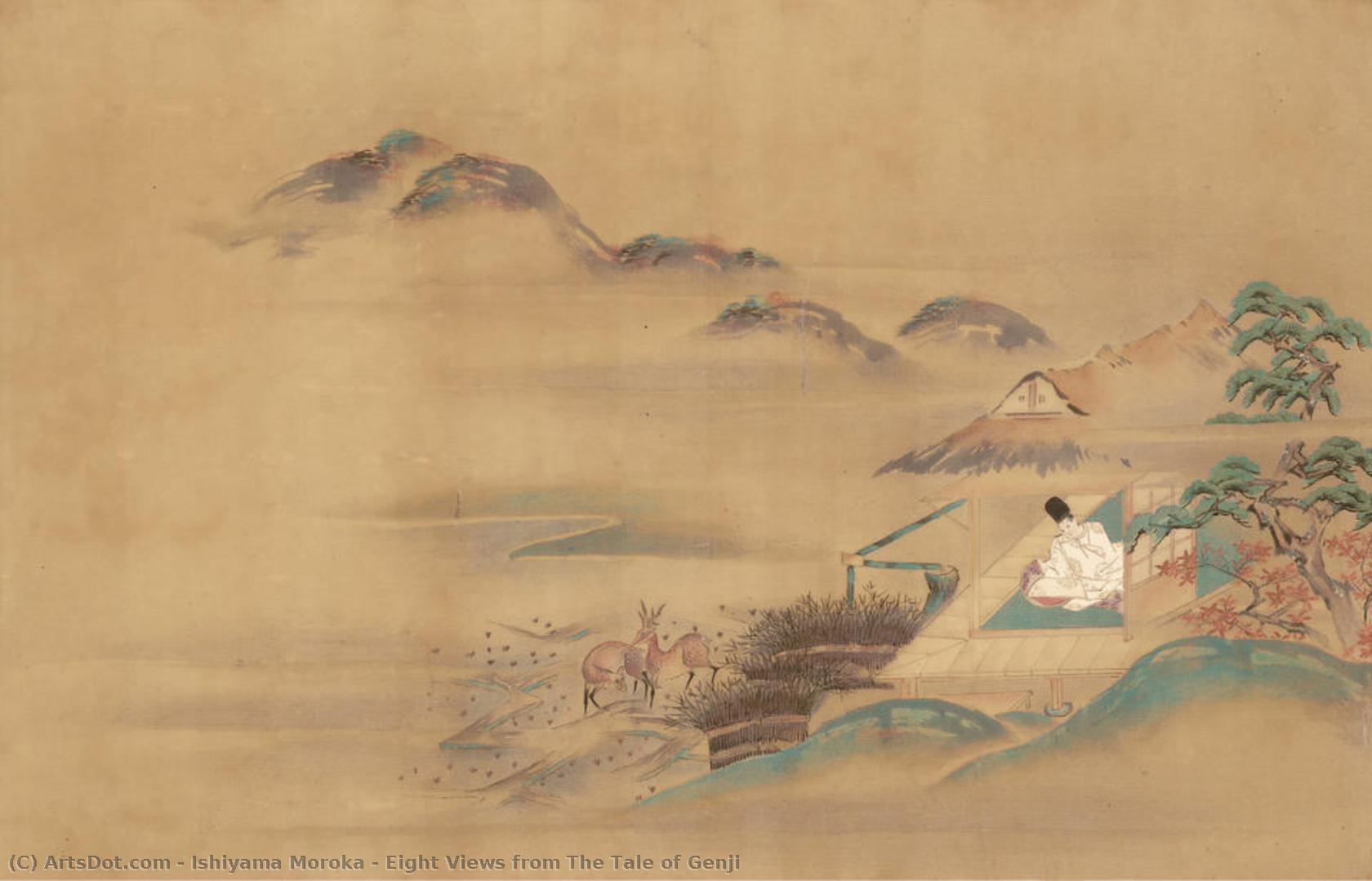
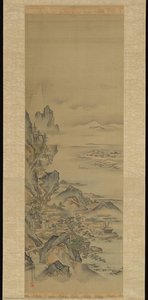
Eight Views from The Tale of Genji
 33.0 x 762.0 cm
 Read More
Giclée / Art Print
Museum-quality giclée or canvas print with fast production and flexible finish options. ( Buy Hand Made Painting Buy Image)




































Pick from our preset sizes that match the artwork's original proportions.

You may enter your own dimensions to fit a specific frame or space. If your selected size does not match the original image's proportions, we will either crop the artwork or extend the image with a mirrored or solid-fill edge. A digital mockup will be sent for your approval before production begins.
Please note that the on-screen preview does not reflect the actual cropping or extension. Only the mockup will accurately show the final composition.
While custom sizes are available, we recommend selecting a dimension from the predefined list to preserve the original proportions.
Worldwide Delivery () in 2 weeks instead of standard 4/5 weeks. (25 August)

Free Worldwide Express Shipping

High-Quality Linen Canvas

Full Shipping Insurance

Customs Tax Refund Guarantee

True Color Matching Guarantee

60-Day Return Policy (Defects Only)

100% Money-Back Guarantee

Bulk Discount Offer
 Glass option is only available in size under 110 CM

Eight Views from The Tale of Genji
Giclée / Art Print
Reproduction Size
-


Total Price
$ 63
Collectible Description
Related Artworks



Artist Biography
Ishiyama Moroka: Weaver of Dreams in Silk and Ink
The Edo period, a time of relative peace and burgeoning artistic innovation in Japan, produced a remarkable array of talents. Among these, Ishiyama Moroka (1669-1734) stands as a particularly evocative figure – a courtier, poet, and above all, a master handscroll painter whose works seamlessly blend the narrative grandeur of “The Tale of Genji” with the serene beauty of the “Eight Views.” His art isn’t merely illustration; it's an immersive experience, inviting viewers into meticulously crafted landscapes imbued with both earthly detail and ethereal suggestion.
Born in Tokyo during the late 17th century, Moroka’s early life was shaped by his privileged position within the court. He received a comprehensive artistic education, primarily under the tutelage of the influential Kano school – a lineage renowned for its exquisite *yamato-e*, or Japanese painting style. This training instilled in him a deep understanding of traditional techniques: meticulous brushwork, vibrant pigments derived from natural sources, and the masterful use of gold leaf to create shimmering highlights. However, Moroka quickly distinguished himself by forging his own unique artistic voice, one that moved beyond strict adherence to established conventions.
The Echoes of Genji and the Eight Views
Moroka’s most celebrated achievement lies in his series of handscroll paintings depicting scenes from “The Tale of Genji,” alongside interpretations of the “Eight Views” – a set of iconic landscapes originally conceived as independent paintings during the late Muromachi period. This pairing is not simply decorative; it represents a profound artistic dialogue. The “Eight Views,” rooted in Zen Buddhist philosophy, were intended to evoke contemplation and spiritual insight through their depiction of nature’s power and beauty. Moroka, however, reimagined this tradition, integrating them into the sprawling narrative of Genji, creating a tapestry where the emotional resonance of the story is amplified by the evocative landscapes.
Unlike many contemporary artists who meticulously recreated scenes from the novel, Moroka adopted a distinctive approach. He strategically reduced the amount of explicit narrative detail, particularly in the right-hand panels of each scroll. Instead, he favored expansive vistas, misty mountains, and carefully rendered foliage – elements that allowed for greater atmospheric depth and invited viewers to actively participate in constructing the story through their own imagination. The sparse figures within these landscapes are often presented as fleeting glimpses, emphasizing the transient nature of human experience and aligning with the themes of impermanence central to Zen Buddhism.
Technique and Materials: A Symphony of Color and Texture
Moroka’s handscrolls are a testament to his technical mastery. He employed *sumi-e*, or ink wash painting, as his primary medium, utilizing varying densities of black ink to create subtle gradations of tone and texture. The use of color was equally deliberate; he favored rich, saturated hues derived from natural pigments – vibrant blues from indigo, deep reds from cinnabar, and luminous greens from malachite. These colors were meticulously layered upon silk, creating a tactile surface that invites close examination.
Crucially, Moroka’s work is distinguished by the liberal use of gold leaf. This shimmering material wasn't merely decorative; it served to delineate key elements within the landscape – mountains, clouds, and distant horizons – lending an ethereal quality to the scenes. The application of gold also subtly illuminated the figures, suggesting a divine presence or highlighting their connection to the natural world. The silk support itself was treated with multiple layers of *goshitsu*, a type of adhesive, ensuring durability and allowing for intricate layering of paint.
Legacy and Significance
Ishiyama Moroka’s handscrolls represent a pivotal moment in Japanese art history. They demonstrate a sophisticated synthesis of traditional techniques with innovative artistic vision, establishing a new standard for narrative illustration within the context of “The Tale of Genji.” His emphasis on atmospheric perspective, evocative landscapes, and subtle storytelling profoundly influenced subsequent generations of artists. Works like his "Eight Views from The Tale of Genji" are now considered cornerstones of Japanese art, offering invaluable insights into the cultural values and aesthetic sensibilities of the Edo period.
Furthermore, Moroka’s work continues to resonate with contemporary audiences due to its timeless themes – beauty, impermanence, and the interconnectedness of humanity and nature. His paintings are not simply historical artifacts; they remain powerful expressions of human emotion and artistic ingenuity, inviting viewers to lose themselves in their intricate details and contemplate the enduring power of storytelling.
ishiyama moroka
1669 - 1734 , Japan
Quick Facts
- Artistic Movement Or Style: Edo period art
- Artists Or Movements Influenced By This Artist: ['The Tale of Genji']
- Artists Who Influenced This Artist: ['Kano School']
- Date Of Birth: 1669
- Date Of Death: 1734
- Full Name: Ishiyama Moroka
- Nationality: Japanese
- Notable Artworks:
- Eight Views Genji
- Handscroll paintings
- Place Of Birth: Tokyo, Japan