

 Preview
 Send
Send Share
Share
 Details

 Download
 Similars
 X-Ray
X-Ray Diaporama
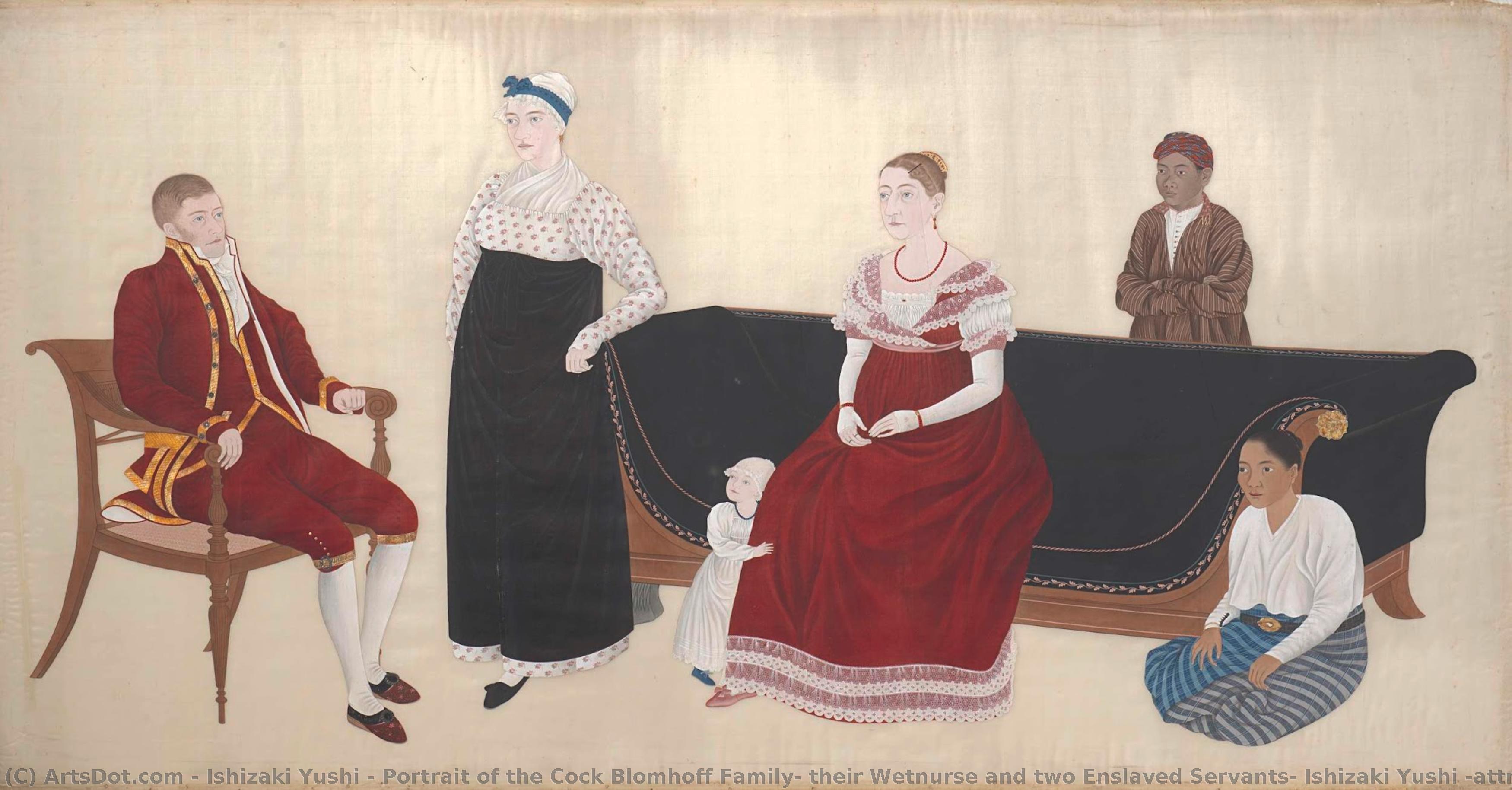
Portrait of the Cock Blomhoff Family, their Wetnurse and two Enslaved Servants, Ishizaki Yushi (attributed to), 1817


 Read More
Purchase a high-resolution, enhanced digital image, far superior to the online preview.
Each file is meticulously prepared by our in-house specialists using advanced tools and expert manual retouching. We ensure every image has exceptional clarity, precise color accuracy, and fine detail.
The final file is delivered via email within 72 hours, optimized for immediate use in professional, editorial, and print environments. This is the same quality trusted by top-tier design studios, publishers, and galleries.
Digital Image
Download a high-resolution file for personal display, printing, and creative projects. ( Buy Print Buy Hand Made Painting)
Included in Every Digital Image Order
Expert Digital Delivery, Guaranteed
When you choose ArtsDot.com, you're not just getting an image - you're receiving a professionally enhanced digital artwork, crafted with precision and backed by a satisfaction guarantee. Here's everything that comes with your order, automatically:

Fast Email Delivery
Your high-resolution digital image file will be emailed to you within 72 hours of ordering - ready for immediate use.

AI-Enhanced Digital File
Your artwork is professionally optimized using advanced AI tools and manual editing, ensuring maximum detail, clarity, and color accuracy.

Free Lifetime Re-Delivery
Accidentally deleted or lost your file? No worries - we'll resend it to you anytime, free of charge.

No Import Fees - Ever
Enjoy your artwork instantly with zero customs, duties, or delivery fees - digital downloads are always tax-free.

Color Accuracy Guarantee
We ensure your digital image reflects the original colors as closely as possible using professional tools and color management.

100-Day Satisfaction Guarantee
If you're not satisfied with your digital image, we'll revise it or refund 100% within 100 days - no questions asked.

100% Money-Back Guarantee
Not satisfied? Get a full refund within 100 days of receiving your digital file - no questions asked.

Bulk Order Discounts
Buy 3 images, save 10% - Buy 5, save 15% - Buy 10+, save 20%. Great for creative projects, galleries, and agencies.
Related Artworks

Artist Biography
A Life Dedicated to the Brush: The World of Ishizaki Yushi
Ishizaki Yushi, a name resonating within the annals of Nagasaki’s artistic heritage, flourished during the Edo period (1768-1846). He wasn't merely a painter; he was a pivotal figure in shaping the aesthetic sensibilities of his time, particularly concerning *kara-e*, or Chinese paintings. Born into an era defined by controlled trade and cultural exchange, Yushi’s life became inextricably linked with the flow of art and ideas between Japan and its continental neighbor. His position as the shogun's official appraiser of Chinese paintings bestowed upon him a unique responsibility – to discern quality, authenticity, and artistic merit in works arriving from abroad, a role that profoundly influenced his own style and understanding of painting.The Connoisseur’s Eye: Early Life and Training
Yushi's early life remains somewhat shrouded in the mists of history, but it is known he was born in Nagasaki, a city uniquely positioned as Japan’s gateway to foreign trade. This exposure to diverse artistic traditions undoubtedly played a crucial role in his development. His appointment as *kara-e mekiki* wasn’t simply an administrative function; it demanded a deep and nuanced understanding of Chinese painting styles, techniques, and historical contexts. He meticulously studied the works that arrived from China, absorbing their principles and adapting them to his own artistic vision. This period was formative, establishing him not just as a skilled painter but also as a respected scholar and arbiter of taste. It is believed he received formal training in traditional Japanese painting styles before dedicating himself to the study of Chinese art, allowing him to bridge the gap between the two cultures with remarkable sensitivity.Blending Traditions: Style and Major Works
Ishizaki Yushi’s artistic style represents a fascinating synthesis of Japanese and Chinese aesthetics. While deeply rooted in traditional Japanese painting techniques – particularly those associated with the Maruyama-Shijo school, known for its realism and naturalism – his work is infused with the elegance, brushwork, and compositional principles characteristic of Song and Yuan dynasty Chinese paintings. He excelled in landscape painting, figure studies, and bird-and-flower compositions, often imbuing his works with a sense of quiet contemplation and refined beauty. One notable example of his skill is the “Portrait of the Cock Blomhoff Family, their Wetnurse and two Enslaved Servants” (1817). This silk painting offers a rare glimpse into the lives of a Dutch family residing in Nagasaki during this period. The work’s meticulous detail and realistic portrayal of the subjects demonstrate Yushi's mastery of observation, while its composition reflects the influence of both Japanese portraiture traditions and Chinese genre painting. Beyond specific paintings, his role as an appraiser meant he influenced countless other works through his judgments and preferences, subtly shaping the artistic landscape of Nagasaki and beyond.Legacy and Historical Significance
Ishizaki Yushi’s influence extended far beyond his own brushstrokes. As a respected connoisseur and official appraiser, he played a vital role in fostering cultural exchange between Japan and China. His discerning eye helped to establish standards of artistic quality and authenticity, shaping the tastes of collectors and patrons alike. He was also the father of Ishizaki Yusai, another prominent painter who continued his legacy. Yushi’s contribution lies not only in the beauty of his paintings but also in his ability to synthesize diverse traditions. He embodied a spirit of intellectual curiosity and artistic openness, bridging cultural divides through his dedication to the study and practice of art. His work serves as a testament to the power of cross-cultural exchange and the enduring legacy of artistic scholarship. He remains an important figure in understanding the complex relationship between Japan and China during the Edo period, and his paintings continue to captivate audiences with their elegance, refinement, and historical significance.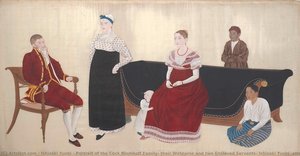
Quick Facts
- Artistic Movement Or Style: Kara-e painting
- Date Of Birth: 1768
- Date Of Death: 1846
- Full Name: Ishizaki Yushi
- Nationality: Japanese
- Notable Artworks: ['Portrait of the Cock Blomhoff Family']
- Place Of Birth: Nagasaki, Japan