 Preview
 Send
Send Share
Share
 Details

 Download
 Similars
 X-Ray
X-Ray Diaporama
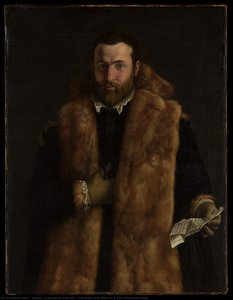
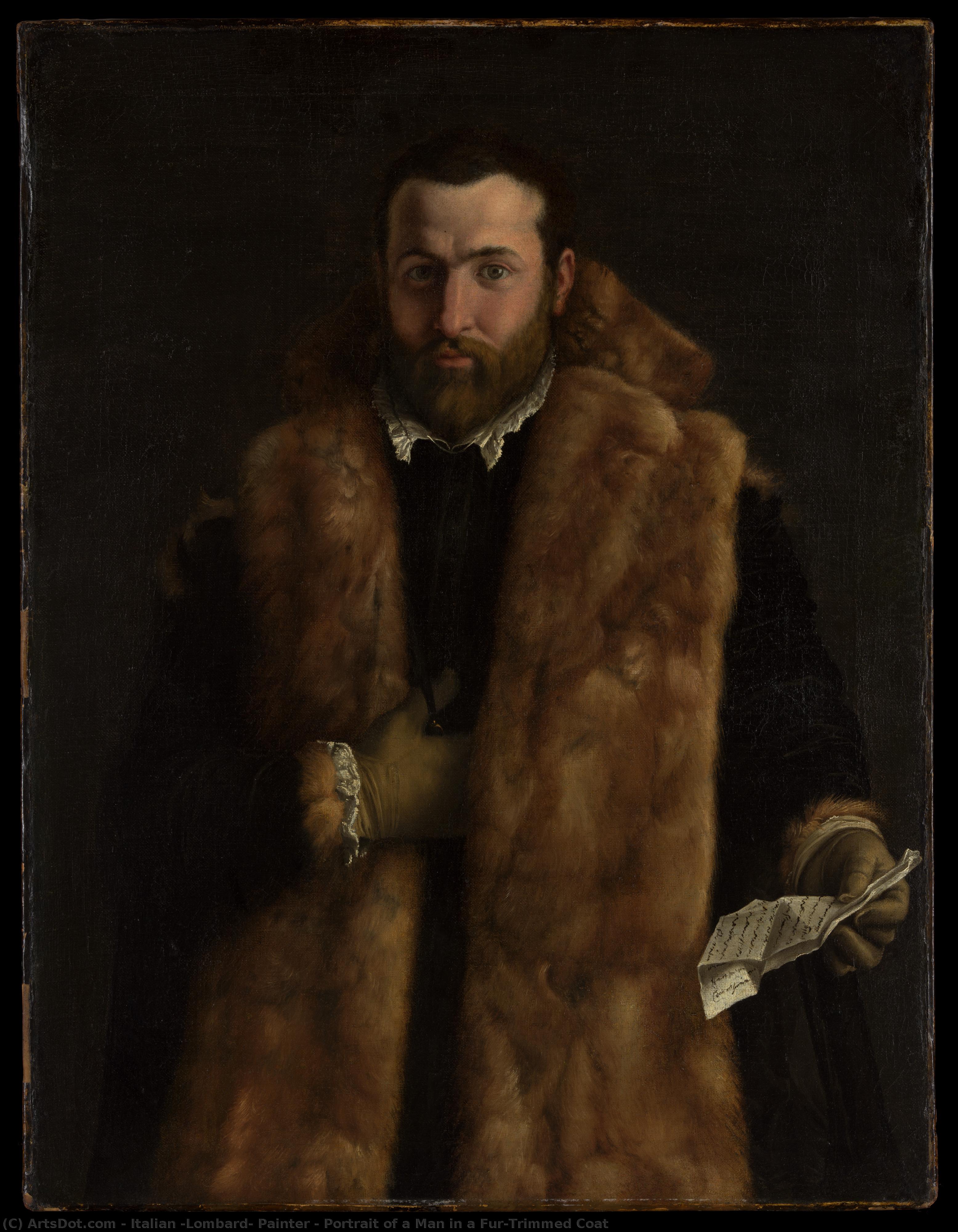
Portrait of a Man in a Fur-Trimmed Coat
 98.0 x 75.0 cm
 Read More
Hand Made Oil Reproduction
Hand-painted oil on canvas in your size and frame, made to order by our artists. ( Buy Print Buy Image)




































Pick from our preset sizes that match the artwork's original proportions.

You may enter your own dimensions to fit a specific frame or space. If your selected size does not match the original image's proportions, we will either crop the artwork or extend the painting with additional hand-painted elements. A digital mockup will be sent for your approval before production begins.
Please note that the on-screen preview does not reflect the actual cropping or extension. Only the mockup will accurately show the final composition.
While custom sizes are available, we recommend selecting a dimension from the predefined list to preserve the original proportions.
After order, ArtsDot.com team will email client for instructions and provide a mockup preview
Worldwide Delivery () in 3/4 weeks instead of standard 5 weeks. (29 August). No compromise on quality.

Free Worldwide Express Shipping

High-Quality Linen Canvas

Full Shipping Insurance

Customs Tax Refund Guarantee

True Color Matching Guarantee

60-Day Return Policy (Defects Only)

100% Money-Back Guarantee

Bulk Discount Offer
 Glass option is only available in size under 110 CM

Portrait of a Man in a Fur-Trimmed Coat
Reproduction Medium
Reproduction Size
-


Total Price
$ 263
Related Artworks

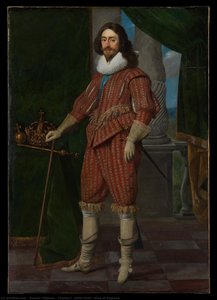

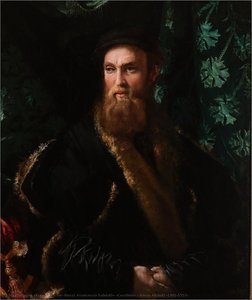



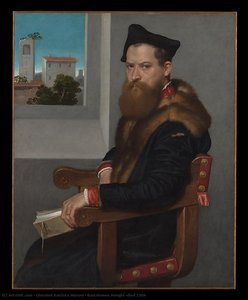
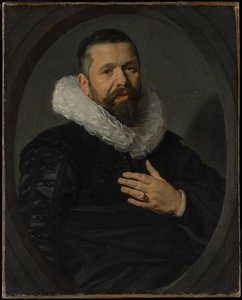
Artist Biography
Lambert Lombard: A Renaissance Polymath of Liège
Lambert Lombard, a name often whispered in the halls of Northern European art history, was more than just a painter; he was a multifaceted figure – an architect, theorist, draughtsman, and a key player in shaping artistic trends during the mid-16th century. Born around 1505 in Liège, Belgium, a city steeped in both Flemish and Germanic influences, Lombard’s life and career were inextricably linked to the vibrant intellectual and artistic currents of his time. His legacy rests not just on the beauty of his paintings but also on his role as a teacher and mentor, profoundly impacting the development of several prominent artists.
Lombard's early life remains somewhat shrouded in mystery, though it’s known he began his career as court painter and architect for the Prince-Bishopric of Liège. This position provided him with invaluable experience, exposing him to the demands of courtly patronage and the intricacies of designing both secular and religious spaces. Crucially, this period also fostered his artistic development, allowing him to hone his skills in portraiture, landscape, and decorative arts. His early works demonstrate a nascent naturalism, a characteristic that would become increasingly pronounced throughout his career – a departure from the more stylized conventions prevalent at the time.
The Roman Interlude and Artistic Awakening
A pivotal moment in Lombard’s artistic journey arrived in 1537 when he was dispatched to Rome by Érard de La Marck, the Prince-Bishop. This mission wasn't merely a buying trip; it represented an immersion into the heart of the Italian Renaissance – a period that profoundly shaped European art for centuries to come. Lombard’s time in Rome proved transformative. He witnessed firsthand the innovations of masters like Raphael and Michelangelo, absorbing their techniques and embracing the humanist ideals that underpinned much of Renaissance art. He didn't simply copy these artists; instead, he integrated their principles into his own style, developing a distinctive approach characterized by careful observation, realistic depiction, and an emphasis on capturing the individual character of his subjects.
Returning to Liège, Lombard brought with him not only valuable artworks but also a renewed artistic vision. He began to experiment with new techniques, particularly in drawing, producing a vast portfolio of preparatory sketches – studies of anatomy, drapery, and landscape that reveal his meticulous approach to composition and execution. These drawings are invaluable for understanding the evolution of his style and offer insights into his working methods.
A Master’s Circle: Pupils and Influence
Lombard's influence extended far beyond his own creations. He established an artistic academy in Liège, attracting a cohort of talented students who would go on to become significant figures in their own right. Among these pupils were Frans Floris, Hendrick Goltzius, Willem Key, Dominicus Lampsonius, and Jean Ramey – names that resonate throughout the history of Northern European art. Lombard’s teachings emphasized not only technical skill but also a deep understanding of perspective, anatomy, and composition. He instilled in his students a commitment to realism and a desire to capture the essence of their subjects.
Dominicus Lampsonius, one of Lombard's most notable pupils, penned *The Life of Lambert Lombard*, providing a crucial primary source for understanding the artist’s life and career. This biographical account offers valuable insights into Lombard’s artistic philosophy and his role within the intellectual circles of Liège.
Legacy and Artistic Significance
Lambert Lombard's contribution to Northern European art lies not just in his individual works, but also in his role as a teacher and innovator. His meticulous draftsmanship, combined with his embrace of Renaissance principles, helped to bridge the gap between the late Gothic style and the emerging Mannerism. His portraits, particularly those depicting members of the nobility, are notable for their psychological depth and realistic portrayal of character.
While Lombard’s output is relatively modest compared to some of his contemporaries, his influence on subsequent generations of artists cannot be overstated. He represents a crucial link in the chain of artistic development that led from the late Gothic period to the rise of Mannerism and beyond. His legacy endures through his drawings – exquisite examples of technical skill and artistic observation – and through the work of his pupils, who carried forward his principles and disseminated them throughout Europe.
Lambert Lombard died in Liège in August 1566, leaving behind a rich artistic heritage that continues to fascinate and inspire art historians today. His life serves as a testament to the power of observation, dedication, and the transformative potential of artistic exchange.
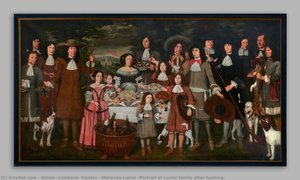
italian (lombard) painter
Belgium
Quick Facts
- Artistic Movement Or Style: Renaissance
- Artists Or Movements Influenced By This Artist: ['Lombard Courtyard']
- Artists Who Influenced This Artist:
- Jan Gossaert
- Frans Floris
- Date Of Birth: c. 1505
- Date Of Death: 1566
- Full Name: Lambert Lombard
- Nationality: Flemish
- Notable Artworks:
- Portrait of a Man
- Self-Portrait
- Place Of Birth: Liège, Belgium