 Preview
 Send
Send Share
Share
 Details

 Download
 Similars
 X-Ray
X-Ray Diaporama
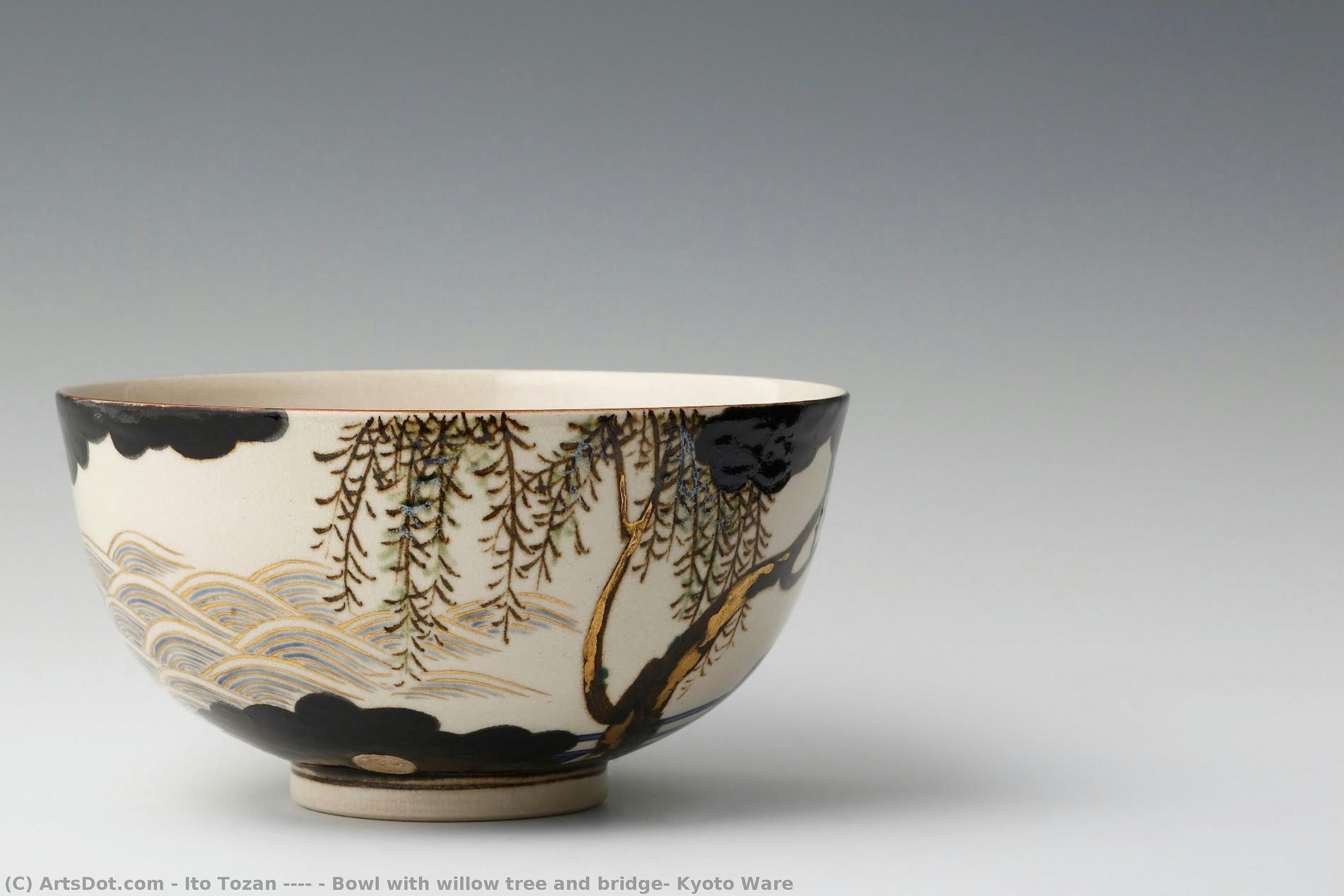
Bowl with willow tree and bridge, Kyoto Ware

 Read More
Hand Made Oil Reproduction
Hand-painted oil on canvas in your size and frame, made to order by our artists. ( Buy Print Buy Image)




































Pick from our preset sizes that match the artwork's original proportions.

You may enter your own dimensions to fit a specific frame or space. If your selected size does not match the original image's proportions, we will either crop the artwork or extend the painting with additional hand-painted elements. A digital mockup will be sent for your approval before production begins.
Please note that the on-screen preview does not reflect the actual cropping or extension. Only the mockup will accurately show the final composition.
While custom sizes are available, we recommend selecting a dimension from the predefined list to preserve the original proportions.
After order, ArtsDot.com team will email client for instructions and provide a mockup preview
Worldwide Delivery () in 3/4 weeks instead of standard 5 weeks. (26 August). No compromise on quality.

Free Worldwide Express Shipping

High-Quality Linen Canvas

Full Shipping Insurance

Customs Tax Refund Guarantee

True Color Matching Guarantee

60-Day Return Policy (Defects Only)

100% Money-Back Guarantee

Bulk Discount Offer
 Glass option is only available in size under 110 CM

Bowl with willow tree and bridge, Kyoto Ware
Reproduction Medium
Reproduction Size
-


Total Price
$ 263
Artwork Description
Related Artworks






Artist Biography
The Earthly Vessels of Ito Tozan: A Kyoto Potter’s Legacy
Ito Tozan, born in Kyoto in 1846 and passing away in 1920, stands as a compelling figure within the rich tapestry of Japanese ceramics. He wasn't merely a potter; he was a translator of vision into clay, a man who bridged the worlds of painting and sculpture through the medium of *kyo ware*. His life unfolded during a period of significant societal change in Japan – the late Edo period transitioning into the Meiji era – a time that profoundly influenced his artistic trajectory. Initially trained as a painter under Koizumi Tozan (no relation, despite the shared surname), Ito’s early exposure to brushwork and composition would become foundational to his later ceramic creations. This grounding in painting wasn't simply a precursor; it remained an integral part of his aesthetic sensibility, informing the delicate detailing and narrative quality present in much of his work.From Brush to Clay: A Shift in Artistic Focus
The move from two-dimensional artistry to the plasticity of clay was not abrupt but rather a gradual evolution. Ito Tozan’s fascination with form and texture led him to explore ceramics, quickly establishing himself as a skilled *kyo pottery* artist. Kyoto ware, renowned for its refined elegance and historical depth, provided both a tradition to build upon and a canvas for innovation. Unlike many potters who focused on functional wares, Ito gravitated towards creating earthenware models – intricate depictions of animals, figures, and scenes from daily life. These weren’t simply decorative objects; they were miniature worlds imbued with personality and narrative charm. His dedication and talent soon garnered recognition, culminating in his appointment as an Imperial Household Artist—a prestigious honor signifying the highest level of artistic achievement within Japan. This position allowed him access to a wider audience and further solidified his reputation amongst connoisseurs and collectors.The Artistry of Earthenware Models: Technique and Symbolism
Ito Tozan’s mastery lay in his ability to breathe life into humble materials. His earthenware models, often remarkably detailed for their size, showcase a profound understanding of anatomy, movement, and expression. He employed meticulous techniques—precise molding, delicate carving, and subtle glazing—to achieve an astonishing level of realism. Beyond technical skill, however, was Ito’s keen eye for storytelling. His pieces frequently depicted scenes from folklore, historical events, or the everyday lives of common people. These weren't grand narratives but intimate glimpses into a world steeped in tradition and observation. The animals he sculpted were not merely representations of nature; they often carried symbolic weight—the crane representing longevity, the rabbit signifying prosperity, and so on. His vases, while fewer in number than his models, also demonstrate this attention to detail and narrative, frequently adorned with scenes inspired by classical literature or natural motifs.Historical Significance and Enduring Appeal
Ito Tozan’s work occupies a unique position within the history of Japanese ceramics. He stands as a pivotal figure in the transition from traditional craftsmanship to a more individualized artistic expression. While deeply rooted in the *kyo ware* tradition, he wasn't afraid to experiment with form and subject matter, pushing the boundaries of what earthenware could achieve. His appointment as an Imperial Household Artist not only validated his talent but also helped elevate the status of ceramic art within Japanese society. Today, Ito Tozan’s pieces are highly sought after by collectors worldwide, admired for their exquisite craftsmanship, charming narratives, and enduring beauty. His legacy continues to inspire contemporary artists, reminding us of the power of clay to capture not just form, but also the spirit of a time and place.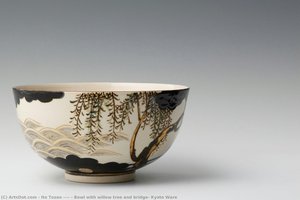
ito tozan 伊東陶山
1846 - 1920 , Japan
Quick Facts
- Artistic Movement Or Style: Kyoto ware pottery
- Artists Who Influenced This Artist: ['Koizumi Tozan']
- Date Of Birth: 1846
- Date Of Death: 1920
- Full Name: Ito Tozan
- Nationality: Japanese
- Notable Artworks:
- Earthenware models
- Vases
- Place Of Birth: Kyoto, Japan