 Preview
 Send
Send Share
Share
 Details

 Download
 Similars
 X-Ray
X-Ray Diaporama
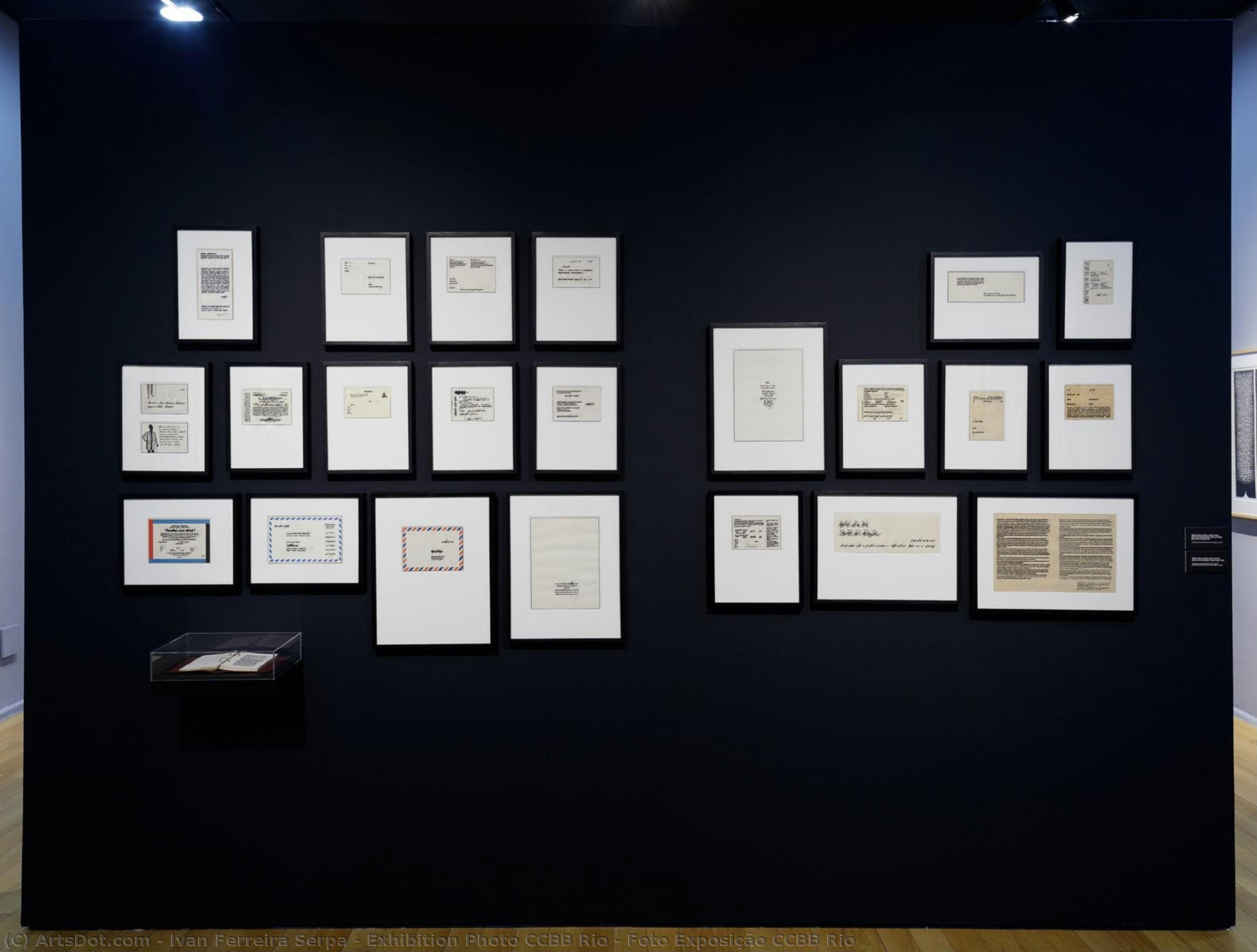
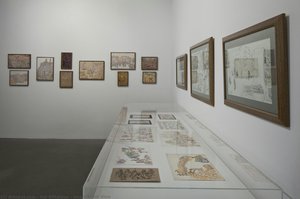
Exhibition Photo CCBB Rio / Foto Exposição CCBB Rio


 Read More
Hand Made Oil Reproduction
Hand-painted oil on canvas in your size and frame, made to order by our artists. ( Buy Print Buy Image)




P118B $10

P118H $10

P118W $10

P438Z $10

P508JH $12

P508YH $12

P805H $10

P805Z $10

P919BZ $10

P919G $10

P919XJ $10

P959ZH $10

P968JZ $12

W106C $8

W218G $10

W218JH $8

W218Y $10

W307PJ $10

W316G $10

W316PJ $8

W316Y $10

W398PJ $8

W4111J $10

W500HY $15

W500JH $15

W692G $12

W849H $8

W940BG $15

W953PJ $8




Pick from our preset sizes that match the artwork's original proportions.

You may enter your own dimensions to fit a specific frame or space. If your selected size does not match the original image's proportions, we will either crop the artwork or extend the painting with additional hand-painted elements. A digital mockup will be sent for your approval before production begins.
Please note that the on-screen preview does not reflect the actual cropping or extension. Only the mockup will accurately show the final composition.
While custom sizes are available, we recommend selecting a dimension from the predefined list to preserve the original proportions.
After order, ArtsDot.com team will email client for instructions and provide a mockup preview
Worldwide Delivery () in 3/4 weeks instead of standard 5 weeks. (3 September). No compromise on quality.

Free Worldwide Express Shipping

High-Quality Linen Canvas

Full Shipping Insurance

Customs Tax Refund Guarantee

True Color Matching Guarantee

60-Day Return Policy (Defects Only)

100% Money-Back Guarantee

Bulk Discount Offer
 Glass option is only available in size under 110 CM

Exhibition Photo CCBB Rio / Foto Exposição CCBB Rio
Reproduction Medium
Reproduction Size
-


Total Price
$ 263
Ivan Ferreira Serpa’s “Exhibition Photo CCBB Rio / Foto Exposição CCBB Rio” – A Window into Brazilian Concrete Art
Captured in a striking black and white photograph, "Exhibition Photo CCBB Rio / Foto Exposição CCBB Rio" by Ivan Ferreira Serpa offers more than just a visual record of an art exhibition; it’s a portal into the heart of Brazilian Concrete Art – a movement that fundamentally reshaped the landscape of 20th-century modernism. The image, taken at the Centro Cultural Banco do Brasil in Rio de Janeiro, presents a dense wall adorned with countless framed artworks, creating a mesmerizing tapestry of geometric forms and carefully considered arrangements. Serpa’s masterful composition immediately draws the eye, inviting contemplation on the sheer volume and deliberate order within this visual space.
The photograph's strength lies not just in its technical precision – the sharp focus, balanced lighting, and subtle depth of field – but also in its ability to convey a sense of intellectual rigor. The artworks themselves are largely obscured by their framing, yet their presence is palpable through the repetition of shapes, lines, and colors. This deliberate ambiguity encourages the viewer to engage with the concept of art itself, rather than simply admiring individual pieces. It’s a testament to Serpa's belief that abstraction could transcend mere representation, becoming a powerful language in its own right.
The Architect of Brazilian Concrete Art
Ivan Ferreira Serpa (1923-1973) was a pivotal figure in the development of Brazilian Concrete Art. Born in Rio de Janeiro, he emerged as a key architect of this revolutionary movement, which sought to break free from traditional representational art and embrace pure abstraction. Influenced by European movements like De Stijl and Bauhaus, Serpa adapted these principles to create a distinctly Brazilian aesthetic – one characterized by geometric precision, bold color palettes, and a profound engagement with the country’s cultural identity. He wasn't merely a painter; he was a draftsman, printmaker, designer, and educator, shaping generations of artists through his teaching at the Museum of Modern Art in Rio.
Serpa’s legacy extends beyond his individual artworks. He founded Grupo Frente, a collective that brought together some of Brazil's most influential modern artists, including Lygia Clark and Helio Oiticica. Through this group, he fostered a spirit of experimentation and collaboration, pushing the boundaries of Brazilian art and establishing a vibrant artistic community. His influence can be seen in countless works created by his students and fellow artists, solidifying his position as a foundational figure in Brazilian modernism.
Decoding the Symbolism: Order and Abundance
The sheer density of artworks on display within Serpa’s photograph speaks volumes about the core tenets of Concrete Art. The repetition of geometric forms – squares, rectangles, circles – creates a sense of order and control, reflecting the movement's fascination with industrial processes and rational design. However, this order is juxtaposed with an overwhelming abundance, suggesting a celebration of creativity and possibility. It’s as if Serpa is presenting a visual argument for the limitless potential of abstract art.
The muted color palette – primarily shades of gray and white – further emphasizes the formal qualities of the artwork. The lack of vibrant hues directs attention to the shapes, lines, and spatial relationships within the composition. This deliberate restraint allows the viewer to focus on the underlying structure of the image, appreciating its intellectual depth.
A Legacy in Reproduction: Bringing Serpa’s Vision to Life
"Exhibition Photo CCBB Rio / Foto Exposição CCBB Rio" serves as a powerful reminder of Ivan Ferreira Serpa's enduring contribution to Brazilian art. ArtsDot offers meticulously crafted hand-painted reproductions that capture the essence of this iconic image, allowing you to bring its intellectual rigor and visual impact into your own space. These reproductions are not merely copies; they are artistic interpretations that honor Serpa’s vision while retaining the photograph's unique atmosphere. Whether adorning a contemporary gallery or adding a touch of modernist elegance to your home, ArtsDot’s reproduction offers a compelling connection to one of Brazil’s most significant artistic figures.
Related Artworks






Artist Biography
A Pioneer of Brazilian Concrete Art: The Life and Legacy of Ivan Ferreira Serpa
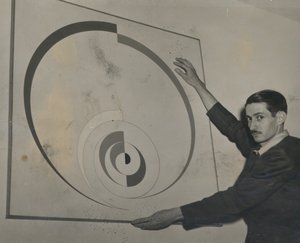
Ivan Ferreira Serpa, born in Rio de Janeiro on April 6, 1923, emerged as a pivotal figure in the development of modern Brazilian art. His life, though tragically cut short on his fiftieth birthday in 1973, was one dedicated to artistic exploration, pedagogical innovation, and a fervent belief in the power of abstraction. Serpa wasn’t merely a painter; he was a draftsman, printmaker, designer, and educator—a polymath whose influence resonated throughout the Brazilian art scene for decades. He stands as a central architect of Concrete Art within Brazil, a movement that sought to strip away representational elements and focus on pure form, color, and spatial relationships.Formative Years and the Birth of Grupo Frente
Serpa’s artistic journey began with studies in printmaking under Axl Leskoschek, a formative experience that instilled in him a deep appreciation for technical precision and experimentation. He also benefited from the mentorship of the influential art critic Mário Pedrosa, who guided his intellectual development and encouraged his exploration of abstract aesthetics. However, Serpa’s education wasn't confined to formal training; he possessed an innate curiosity and a willingness to challenge conventional artistic norms. This spirit led him, in 1954, to co-found *Grupo Frente*, alongside luminaries such as Lygia Clark, Hélio Oiticica, and Franz Weissmann. Grupo Frente wasn’t defined by a rigid manifesto like its São Paulo counterpart, Grupo Ruptura; instead, it fostered an environment of open dialogue and individual experimentation. Serpa articulated the group's ethos succinctly: membership required only youth, a commitment to innovation, and a rejection of artistic tradition. This collaborative spirit proved crucial in shaping the trajectory of Brazilian modernism.Geometric Explorations and Pedagogical Innovation
Serpa’s early work was characterized by geometric abstractionism—a deliberate departure from representational art that prioritized form and structure. His paintings, often serialized, explored architectural elements and spatial relationships with a meticulous attention to detail. He wasn't simply interested in creating aesthetically pleasing compositions; he sought to investigate the fundamental principles of visual perception and the expressive potential of pure abstraction. Simultaneously, Serpa revolutionized art education at the Museu de Arte Moderna in Rio de Janeiro. His open studio sessions weren’t traditional classes but rather dynamic forums for critical discussion and intuitive exploration. He encouraged students to embrace instinctual creativity, fostering a new pedagogy that emphasized process over product and challenged established artistic hierarchies. This approach not only nurtured a generation of talented artists but also reflected his broader commitment to democratic ideals and social engagement. He even extended this pedagogical philosophy by offering free art classes to children, believing in the transformative power of art for all.A Multifaceted Artistic Practice and Lasting Influence
Throughout his career, Serpa’s artistic practice remained remarkably diverse. He seamlessly transitioned between painting, drawing, printmaking, collage, and design, constantly pushing the boundaries of each medium. His work in the 1960s saw a shift towards more intuitive forms, including a period known as the “Black Phase,” reflecting the political turmoil within Brazil at that time. Later, he revisited geometric abstraction, incorporating elements of kinetic and op art into his compositions. Serpa’s influence extends far beyond his own body of work. As a mentor, he guided countless artists, instilling in them a spirit of experimentation and intellectual rigor. His contributions to the Concrete Art movement have had a lasting impact on Brazilian art, inspiring generations to embrace abstraction and challenge conventional artistic norms. He left behind not just paintings and prints, but a legacy of innovation, collaboration, and a profound belief in the transformative power of art.Key Achievements & Recognition
- Founding Member of Grupo Frente: A pivotal role in shaping Brazilian modernism.
- Awarded the Prêmio Jovem Pintor Nacional (National Young Painter Prize): In 1951, recognizing his early talent and innovative approach.
- Foreign Travel Prize at the Salão Nacional de Arte Moderna: Awarded in 1957-1959, enabling him to study European art firsthand.
- Innovative Pedagogical Approach: Revolutionized art education at the Museu de Arte Moderna, Rio de Janeiro.
- Prolific and Diverse Body of Work: Masterfully explored painting, drawing, printmaking, collage, and design.
Ivan Ferreira Serpa
1923 - 1973 , Brazil
Quick Facts
- Artistic Movement Or Style: Concrete Art
- Artists Or Movements Influenced By This Artist:
- Lygia Clark
- Helio Oiticica
- Franz Weissmann
- Date Of Birth: April 6, 1923
- Date Of Death: April 6, 1973
- Full Name: Ivan Ferreira Serpa
- Nationality: Brazilian
- Notable Artworks:
- The Man of the Lonely Star
- La Cathedrale
- Place Of Birth: Rio de Janeiro, Brazil
Related Articles

Geometric Abstraction's 10 Defining Masterpieces | Art for Your Home - ArtsDot
Explore 10 defining masterpieces of Geometric Abstraction! Discover Kandinsky, Mondrian & Malevich’s iconic works. Find museum-quality art reproductions and curated decor ideas to elevate your home at ArtsDot.com.
Beyond Form & Color: Geometric Abstraction's Evolution in 20th/21st Century Art
Explore the evolution of geometric abstraction from Cubism to contemporary art. Discover key artists like Malevich & Mondrian, investment insights, and expert collecting advice at ArtsDot.
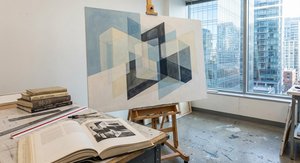
Beyond Form & Color: Geometric Abstraction's Enduring Legacy in Art History
Explore the captivating world of geometric abstraction! Discover its origins, key artists like Malevich & Mondrian, and why this movement remains highly valued by art collectors today. Expert insights at ArtsDot.

Kandinsky's Masterpieces: 25 Paintings That Define Abstract Art | ArtsDot
Journey through Wassily Kandinsky's 25 most iconic abstract paintings. Explore his revolutionary use of color, form & spiritual expressionism. Find museum-quality Kandinsky reproductions and elevate your home decor with ArtsDot.com. Discover all masterpieces on ArtsDot.com!

Beyond Form & Function: A History of Geometric Art's Enduring Appeal
Explore the captivating history of geometric abstraction, from its revolutionary origins to contemporary masters. Expert insights for art collectors & investors. Discover key artists and build your collection with ArtsDot.