

 Preview
 Send
Send Share
Share
 Details

 Download
 Similars
 X-Ray
X-Ray Diaporama
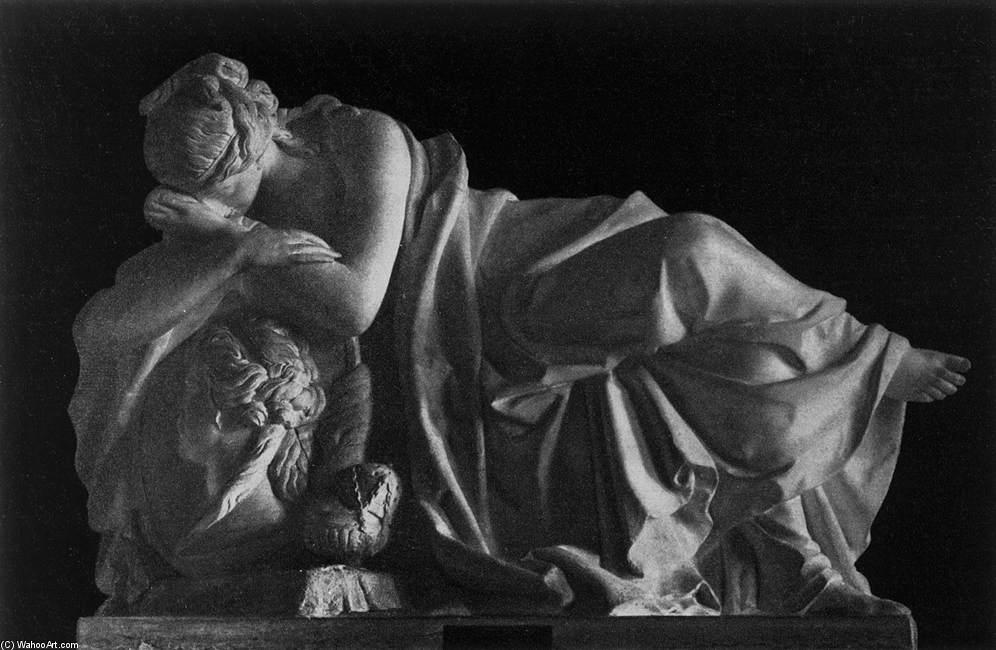
Tomb of Kurakina

 Read More
Purchase a high-resolution, enhanced digital image, far superior to the online preview.
Each file is meticulously prepared by our in-house specialists using advanced tools and expert manual retouching. We ensure every image has exceptional clarity, precise color accuracy, and fine detail.
The final file is delivered via email within 72 hours, optimized for immediate use in professional, editorial, and print environments. This is the same quality trusted by top-tier design studios, publishers, and galleries.
Digital Image
Download a high-resolution file for personal display, printing, and creative projects. ( Buy Print Buy Hand Made Painting)
Included in Every Digital Image Order
Expert Digital Delivery, Guaranteed
When you choose ArtsDot.com, you're not just getting an image - you're receiving a professionally enhanced digital artwork, crafted with precision and backed by a satisfaction guarantee. Here's everything that comes with your order, automatically:

Fast Email Delivery
Your high-resolution digital image file will be emailed to you within 72 hours of ordering - ready for immediate use.

AI-Enhanced Digital File
Your artwork is professionally optimized using advanced AI tools and manual editing, ensuring maximum detail, clarity, and color accuracy.

Free Lifetime Re-Delivery
Accidentally deleted or lost your file? No worries - we'll resend it to you anytime, free of charge.

No Import Fees - Ever
Enjoy your artwork instantly with zero customs, duties, or delivery fees - digital downloads are always tax-free.

Color Accuracy Guarantee
We ensure your digital image reflects the original colors as closely as possible using professional tools and color management.

60-Day Satisfaction Guarantee
If you're not satisfied with your digital image, we'll revise it or refund 100% within 60 days - no questions asked.

100% Money-Back Guarantee
Not satisfied? Get a full refund within 60 days of receiving your digital file - no questions asked.

Bulk Order Discounts
Buy 3 images, save 10% - Buy 5, save 15% - Buy 10+, save 20%. Great for creative projects, galleries, and agencies.
Related Artworks



Artist Biography
Gainsborough Dupont: A Legacy of Light and Landscape
Gainsborough Dupont (1754-1797) stands as a quietly significant figure in British art, often overshadowed by the brilliance of his uncle, Thomas Gainsborough. Born on December 20th, 1754, in Sudbury, Suffolk, Dupont’s artistic journey was inextricably linked to that of his renowned relative – initially as a devoted pupil and later as a skilled executor of his uncle's commissions and an independent artist in his own right. His life, though tragically brief, produced a body of work characterized by a delicate handling of light, atmospheric perspective, and a profound appreciation for the English countryside, establishing him as a master of the Romantic landscape tradition. Dupont’s early years were shaped by a rigorous artistic education under Thomas Gainsborough. He began assisting his uncle around 1769, diligently copying and studying his master's techniques – particularly his innovative use of light and shadow to create depth and realism. This apprenticeship wasn’t merely about imitation; Dupont absorbed Gainsborough’s approach to composition, color mixing, and the portrayal of rural life, developing a distinctive style that subtly diverged while retaining the core principles of his mentor. Crucially, he was entrusted with completing unfinished works left behind by Gainsborough at his death, a responsibility that honed his skills and allowed him to develop his own artistic voice. This period also saw Dupont producing numerous mezzotints – intricate monochrome prints created from Gainsborough’s paintings – which served as both reproductions and explorations of the artist's techniques. These mezzotints are particularly valuable for understanding Dupont’s meticulous attention to detail and his ability to capture the nuances of light and texture. Dupont’s artistic output is primarily focused on landscapes and portraits, with a particular emphasis on scenes depicting rural life in Norfolk and Suffolk. His paintings often feature idyllic views of rolling hills, meandering rivers, and quaint villages – subjects that resonate strongly with the burgeoning Romantic sensibility of the late 18th century. Unlike some of his contemporaries who embraced dramatic, theatrical compositions, Dupont favored a more restrained and understated approach, prioritizing atmospheric effects and subtle tonal variations to convey mood and atmosphere. His use of light is particularly noteworthy; he skillfully employed it to create a sense of depth, luminosity, and tranquility, evoking the beauty and serenity of the natural world. Notable works include "Wooded Landscape with Riders and Packhorses," a painting that exemplifies his mastery of atmospheric perspective and his ability to capture the essence of the English countryside. The composition is balanced and harmonious, reflecting a deep understanding of landscape design principles. Beyond his technical skill, Dupont’s work reveals an intimate connection to the subject matter he depicted. He wasn't simply recording scenes; he was conveying a sense of wonder and appreciation for the beauty of nature. This sentiment aligns with the broader artistic currents of the time, which celebrated the virtues of rural life and the restorative power of the natural world. Interestingly, Dupont’s portraits, though less frequently exhibited than his landscapes, demonstrate a similar sensitivity to light and form, capturing the character and personality of his subjects with remarkable subtlety. His portraiture often reveals an understanding of human psychology, conveying not just physical likeness but also emotional depth. Despite his talent and dedication, Dupont's career was cut short by illness at the young age of 42. He died on January 20th, 1797, leaving behind a relatively small but highly regarded body of work. His legacy is primarily linked to his role as Gainsborough’s assistant and executor, but his independent paintings – particularly his landscapes – stand as testaments to his artistic skill and sensitivity. Dupont's influence can be seen in the works of later Romantic painters who followed in Gainsborough's footsteps, demonstrating a continuing appreciation for the beauty and tranquility of the English countryside. His work continues to resonate with viewers today, offering a glimpse into a bygone era and reminding us of the enduring power of art to capture the essence of human experience and the splendor of the natural world.Dupont’s Techniques and Influences
- Light and Shadow:** Dupont's most distinctive characteristic was his masterful manipulation of light and shadow. He meticulously observed how light interacted with different surfaces, creating a sense of depth, volume, and atmosphere. This technique is particularly evident in his landscapes, where he used subtle tonal variations to evoke the feeling of distance and create a sense of realism.
- Atmospheric Perspective:** Dupont skillfully employed atmospheric perspective – also known as aerial perspective – to simulate the effects of distance. Objects in the background appear paler and less distinct than those in the foreground, creating a convincing illusion of depth.
- Compositional Balance:** His compositions are generally balanced and harmonious, reflecting a deep understanding of landscape design principles. He avoided overly dramatic or cluttered arrangements, preferring a more restrained and understated approach.
- Mezzotint Technique:** Dupont’s extensive work with mezzotints allowed him to experiment with different tonal values and textures, developing his skills in monochrome printing. These prints are valuable for understanding his artistic process and his ability to capture the nuances of light and shadow.
- Gainsborough's Influence:** Undoubtedly, Dupont’s work was profoundly influenced by Thomas Gainsborough. He adopted many of his uncle’s techniques – particularly his use of light and color – but also developed a distinctive style that reflected his own artistic sensibilities.
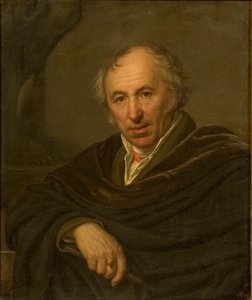
ivan petrovich martos
1754 - 1835 , Ukraine
Quick Facts
- Artistic Movement Or Style: Landscape painting
- Artists Or Movements Influenced By This Artist: ["Gainsborough's style"]
- Artists Who Influenced This Artist: ['Thomas Gainsborough']
- Date Of Birth: 1754
- Date Of Death: 1797
- Full Name: Gainsborough Dupont
- Nationality: British
- Notable Artworks:
- Wooded Landscape with Riders
- Packhorses
- Place Of Birth: Sudbury, Suffolk, England

