 Preview
 Send
Send Share
Share
 Details

 Download
 Similars
 X-Ray
X-Ray Diaporama
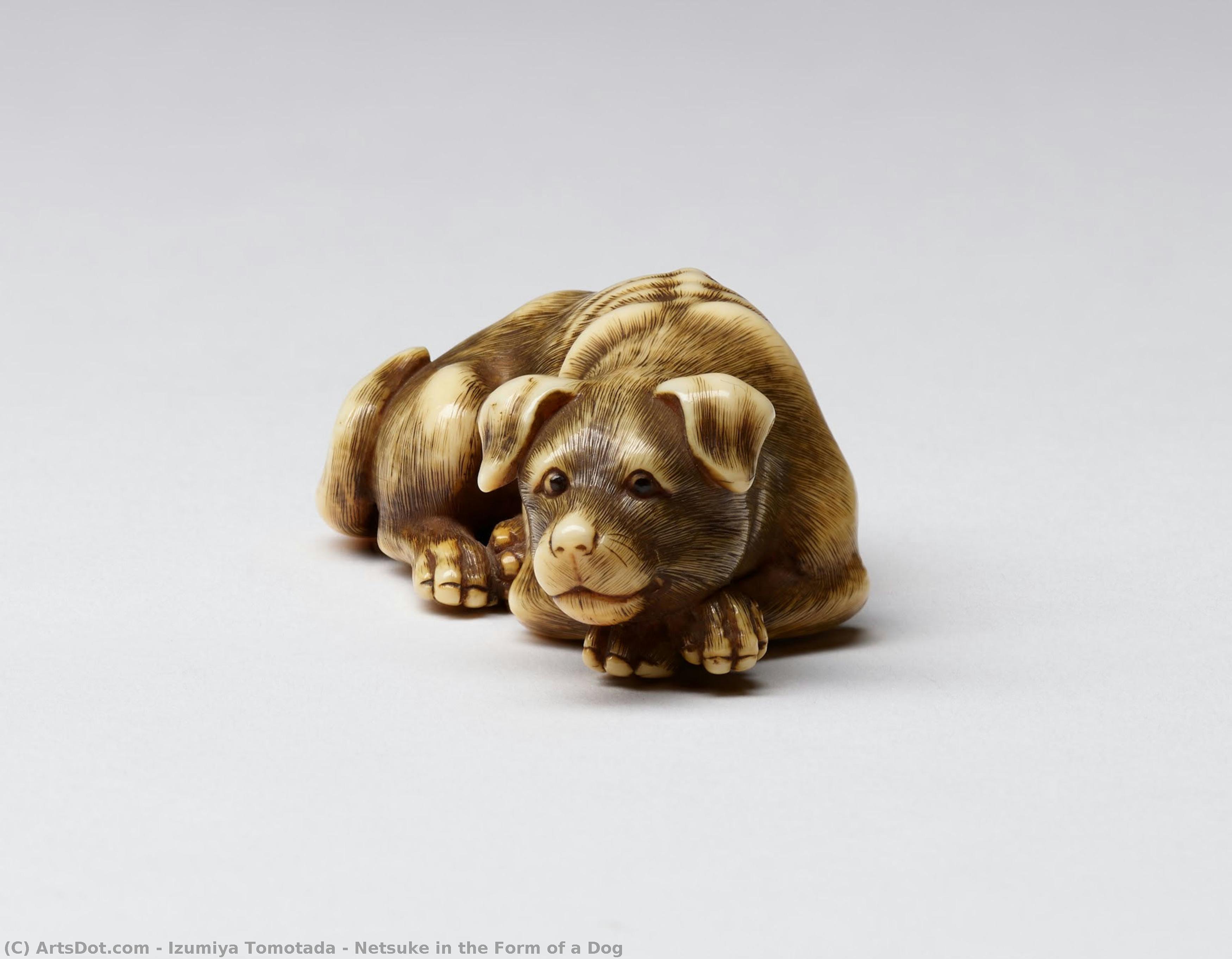
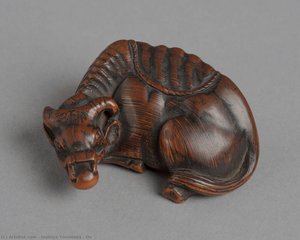
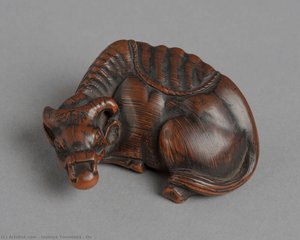
Netsuke in the Form of a Dog
 1700
1700 2.0 x 5.0 cm
 The Walters Art Museum
 Read More
Hand Made Oil Reproduction
Hand-painted oil on canvas in your size and frame, made to order by our artists. ( Buy Print Buy Image)




































Pick from our preset sizes that match the artwork's original proportions.

You may enter your own dimensions to fit a specific frame or space. If your selected size does not match the original image's proportions, we will either crop the artwork or extend the painting with additional hand-painted elements. A digital mockup will be sent for your approval before production begins.
Please note that the on-screen preview does not reflect the actual cropping or extension. Only the mockup will accurately show the final composition.
While custom sizes are available, we recommend selecting a dimension from the predefined list to preserve the original proportions.
After order, ArtsDot.com team will email client for instructions and provide a mockup preview
Worldwide Delivery () in 3/4 weeks instead of standard 5 weeks. (26 August). No compromise on quality.

Free Worldwide Express Shipping

High-Quality Linen Canvas

Full Shipping Insurance

Customs Tax Refund Guarantee

True Color Matching Guarantee

60-Day Return Policy (Defects Only)

100% Money-Back Guarantee

Bulk Discount Offer
 Glass option is only available in size under 110 CM

Netsuke in the Form of a Dog
Reproduction Medium
Reproduction Size
-


Total Price
$ 263
Artwork Description
Related Artworks




Artist Biography
Izumiya Tomotada: A Master of Miniature Elegance
Born in the late 18th century in Kyoto, Japan, Izumiya Tomotada emerged as a pivotal figure in the world of Japanese carving during the Edo and early Meiji periods. His legacy rests primarily on his extraordinary skill in crafting netsuke – diminutive sculptures traditionally worn as toggles or pendants by merchants and samurai—a testament to meticulous craftsmanship and an understanding of subtle symbolism. While not a prolific artist in terms of sheer volume, Tomotada’s works are highly prized for their exquisite detail, technical mastery, and the evocative narratives they convey.
Tomotada's early life remains somewhat shrouded in the mists of time, but it is understood that he honed his skills within a traditional carving workshop in Kyoto. The Edo period, characterized by relative peace and economic prosperity, fostered a thriving artistic environment, particularly for miniature arts like netsuke. These small sculptures weren’t merely decorative; they were often imbued with meaning, representing animals, mythical creatures, historical figures, or even scenes from folklore – each carrying a specific significance within the context of merchant culture. Tomotada's signature style quickly established itself: an almost obsessive attention to detail combined with a remarkable ability to capture movement and personality in incredibly small scale.
The Art of the Netsuke: Symbolism and Technique
Netsuke carving demanded extraordinary dexterity and patience. Artists like Tomotada worked primarily in wood, bone, or occasionally porcelain, meticulously shaping each piece using specialized tools. The process involved not just subtractive carving – removing material to reveal the form – but also additive techniques, such as applying fine details with sandpaper and polishing to achieve a smooth, lustrous finish. Tomotada’s reputation was built on his ability to render incredibly lifelike animals, particularly the ‘shishi’ (lion) head netsuke. These pieces are instantly recognizable for their articulated jaws, revealing large teeth and a curling tongue when opened – a dramatic gesture that speaks volumes about strength and vigilance.
Beyond mere representation, Tomotada's work was deeply rooted in Japanese symbolism. The shishi, for example, represented protection against evil spirits and symbolized courage and authority. The choice of materials also held significance; the use of wood conveyed connection to nature, while bone suggested durability and longevity. Tomotada’s signature on his works – a subtle but deliberate act – underscored his pride in his craft and served as a mark of authenticity within a market where imitation was prevalent.
Notable Works and Historical Context
Among Tomotada's most celebrated creations is the aforementioned shishi lion netsuke, a prime example of his technical prowess and artistic vision. However, his oeuvre extends beyond this iconic piece to encompass a diverse range of subjects – foxes (kitsune), cranes, dogs, insects, and even human figures. The ‘Ox’ netsuke, also by Tomotada, exemplifies the artist's ability to capture the essence of an animal in miniature, showcasing its musculature and posture with remarkable realism. These works were not created for a mass audience; rather, they were commissioned by wealthy merchants who used them as status symbols, reflecting their wealth, taste, and understanding of Japanese culture.
The Edo period’s merchant class played a crucial role in the development and appreciation of arts like netsuke. Merchants sought to demonstrate their affluence through subtle displays of luxury goods, including exquisitely crafted miniature sculptures. Tomotada's work, therefore, is inextricably linked to this social and economic context. His pieces offer a fascinating glimpse into the values, beliefs, and aesthetic sensibilities of 18th and early 19th century Japan.
Legacy and Enduring Significance
Izumiya Tomotada’s influence extends far beyond his own lifetime. His meticulous technique, profound understanding of symbolism, and ability to imbue miniature sculptures with life continue to inspire contemporary artists. His works are now held in prestigious museums worldwide – a testament to their enduring artistic merit and historical significance. Studying Tomotada's netsuke provides invaluable insight into the intricate world of Edo-period Japan, revealing not only the exceptional skill of a master craftsman but also the rich cultural tapestry that shaped his art.
izumiya tomotada
Japan
Quick Facts
- Artistic Movement Or Style: Netsuke carving
- Date Of Birth: Late 18th century
- Full Name: Izumiya Tomotada
- Nationality: Japanese
- Notable Artworks:
- Shishi Lion Netsuke
- Ox
- Place Of Birth: Kyoto, Japan