 Preview
 Send
Send Share
Share
 Details

 Download
 Similars
 X-Ray
X-Ray Diaporama
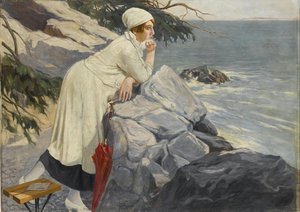
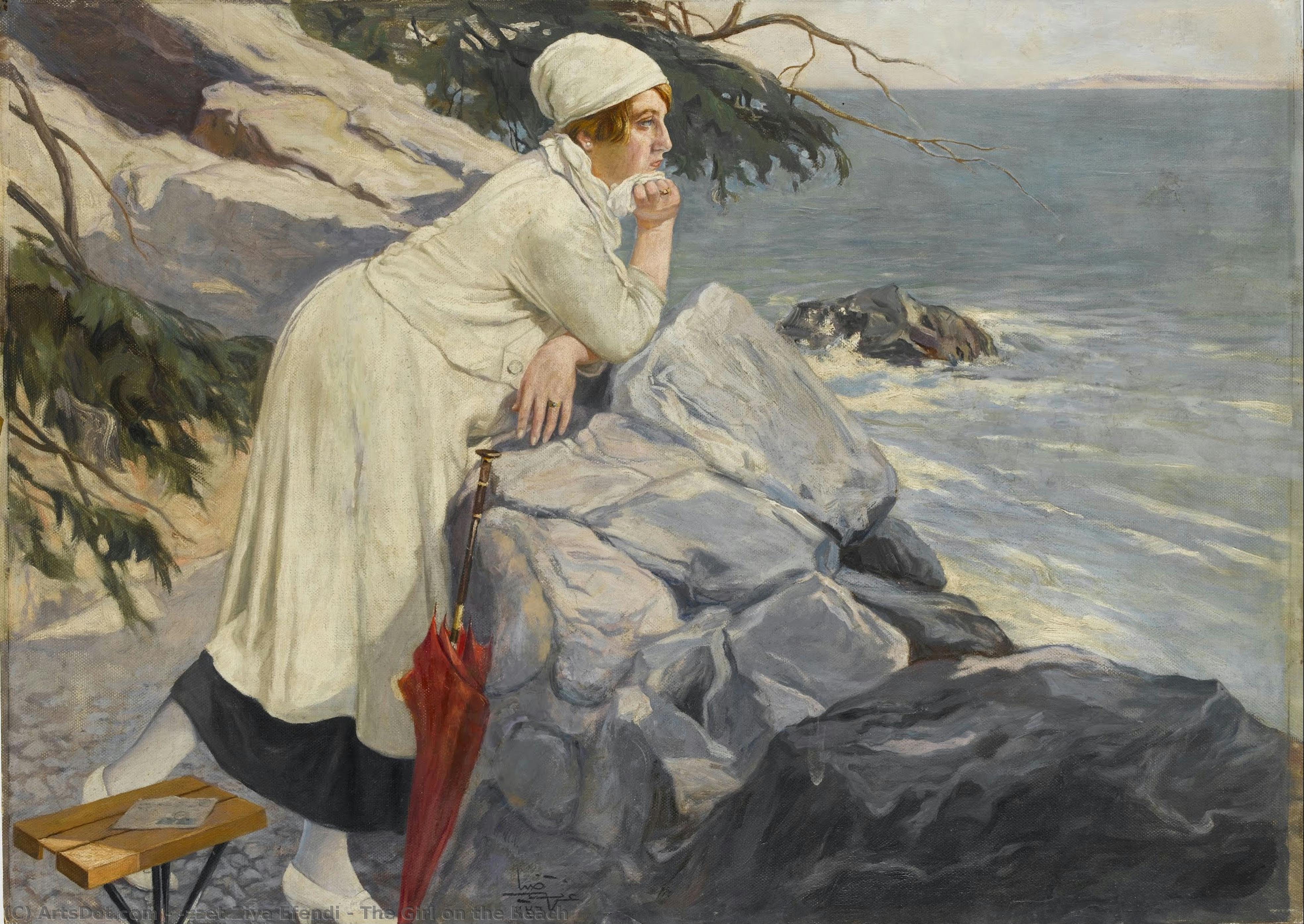
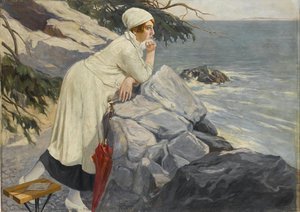
The Girl on the Beach
 1917
1917 45.0 x 63.0 cm
 Sakıp Sabancı Museum
 Read More
Giclée / Art Print
Museum-quality giclée or canvas print with fast production and flexible finish options. ( Buy Hand Made Painting Buy Image)




































Pick from our preset sizes that match the artwork's original proportions.

You may enter your own dimensions to fit a specific frame or space. If your selected size does not match the original image's proportions, we will either crop the artwork or extend the image with a mirrored or solid-fill edge. A digital mockup will be sent for your approval before production begins.
Please note that the on-screen preview does not reflect the actual cropping or extension. Only the mockup will accurately show the final composition.
While custom sizes are available, we recommend selecting a dimension from the predefined list to preserve the original proportions.
Worldwide Delivery () in 2 weeks instead of standard 4/5 weeks. (23 August)

Free Worldwide Express Shipping

High-Quality Linen Canvas

Full Shipping Insurance

Customs Tax Refund Guarantee

True Color Matching Guarantee

60-Day Return Policy (Defects Only)

100% Money-Back Guarantee

Bulk Discount Offer
 Glass option is only available in size under 110 CM

The Girl on the Beach
Giclée / Art Print
Reproduction Size
-


Total Price
$ 63
Collectible Description
Related Artworks





Artist Biography
The Pioneering Brush of İzzet Ziya Efendi: A Bridge Between Tradition and Modernity
İzzet Ziya Efendi, a name resonating with the dawn of Turkish modern painting, stands as a pivotal figure in the nation’s artistic transition during the late Ottoman Empire and early Republic. Born in Istanbul in 1876 – though precise records remain elusive, mirroring the often-unrecorded lives of artists within the imperial atelier system – he emerged from a lineage steeped in traditional arts yet possessed an insatiable curiosity for Western techniques and aesthetics. His life coincided with a period of intense cultural exchange and internal reform within the Ottoman world, a dynamic context that profoundly shaped his artistic vision. Unlike many contemporaries who traveled to Europe for formal training, İzzet Ziya’s education was largely confined to Istanbul, initially at the Sanayi-i Nefise Mektebi (School of Fine Arts), established in 1883. This institution, modeled after European academies, provided a foundation in drawing and painting but also fostered a unique blend of Ottoman artistic sensibilities with imported styles. He quickly distinguished himself as a gifted student, mastering both traditional miniature techniques and the emerging principles of realism and impressionism.From Imperial Atelier to Independent Expression
İzzet Ziya’s early career was deeply intertwined with the imperial court. Following his graduation, he secured a position as an artist within the palace atelier, tasked with creating portraits of sultans, dignitaries, and scenes from Ottoman life. These works, while demonstrating technical proficiency and adherence to established conventions, reveal subtle hints of his burgeoning artistic individuality. He wasn’t merely replicating reality; he was interpreting it through a lens informed by both Ottoman decorative traditions – particularly in the delicate rendering of fabrics and ornamentation – and the growing influence of European Impressionism. This period served as a crucial apprenticeship, honing his observational skills and providing access to a wealth of visual material. However, İzzet Ziya’s ambition extended beyond courtly commissions. He yearned for artistic freedom and sought opportunities to explore subjects that resonated with his personal vision. This desire led him to gradually distance himself from the constraints of the imperial atelier, establishing an independent studio where he could pursue a more experimental approach to painting.A Palette Reflecting Social Change
The early 20th century witnessed İzzet Ziya’s artistic voice fully blossom. He became a prominent figure in the *Osmanlı Ressamlar Cemiyeti* (Ottoman Painters Society), a group of artists dedicated to promoting Turkish art and fostering dialogue between tradition and modernity. His subject matter broadened significantly, encompassing scenes of everyday life in Istanbul – bustling markets, serene landscapes, intimate portraits of women – reflecting a growing interest in capturing the essence of Turkish society beyond the confines of the palace walls. His paintings from this period are characterized by a luminous palette, loose brushwork, and a sensitivity to light and atmosphere that clearly demonstrate his embrace of Impressionist principles. Yet, he never fully abandoned his Ottoman heritage. He skillfully integrated elements of traditional composition, decorative patterns, and symbolic motifs into his work, creating a unique visual language that was distinctly Turkish. This fusion of styles set him apart from many of his contemporaries who either rigidly adhered to Western academic traditions or completely rejected them in favor of purely nationalistic themes.Legacy and Historical Significance
İzzet Ziya Efendi’s influence on the development of Turkish modern painting is undeniable. He played a crucial role in bridging the gap between traditional Ottoman art and the emerging Western styles, paving the way for future generations of artists to explore new forms of expression. His emphasis on capturing the beauty of everyday life and his sensitivity to light and atmosphere helped establish a distinctly Turkish aesthetic within the context of modern painting.- He mentored numerous young artists, fostering a spirit of experimentation and innovation.
- His work challenged conventional notions of artistic representation within Ottoman society.
- He contributed significantly to the establishment of a national art identity during a period of profound social and political change.
Quick Facts
- Artistic Movement Or Style: Ottoman Painting
- Date Of Death: Living
- Full Name: İzzet Ziya Efendi
- Nationality: Turkish
- Notable Artworks:
- Nat-ı Humayun Album
- Various Calligraphy Works