

 Preview
 Send
Send Share
Share
 Details

 Download
 Similars
 X-Ray
X-Ray Diaporama
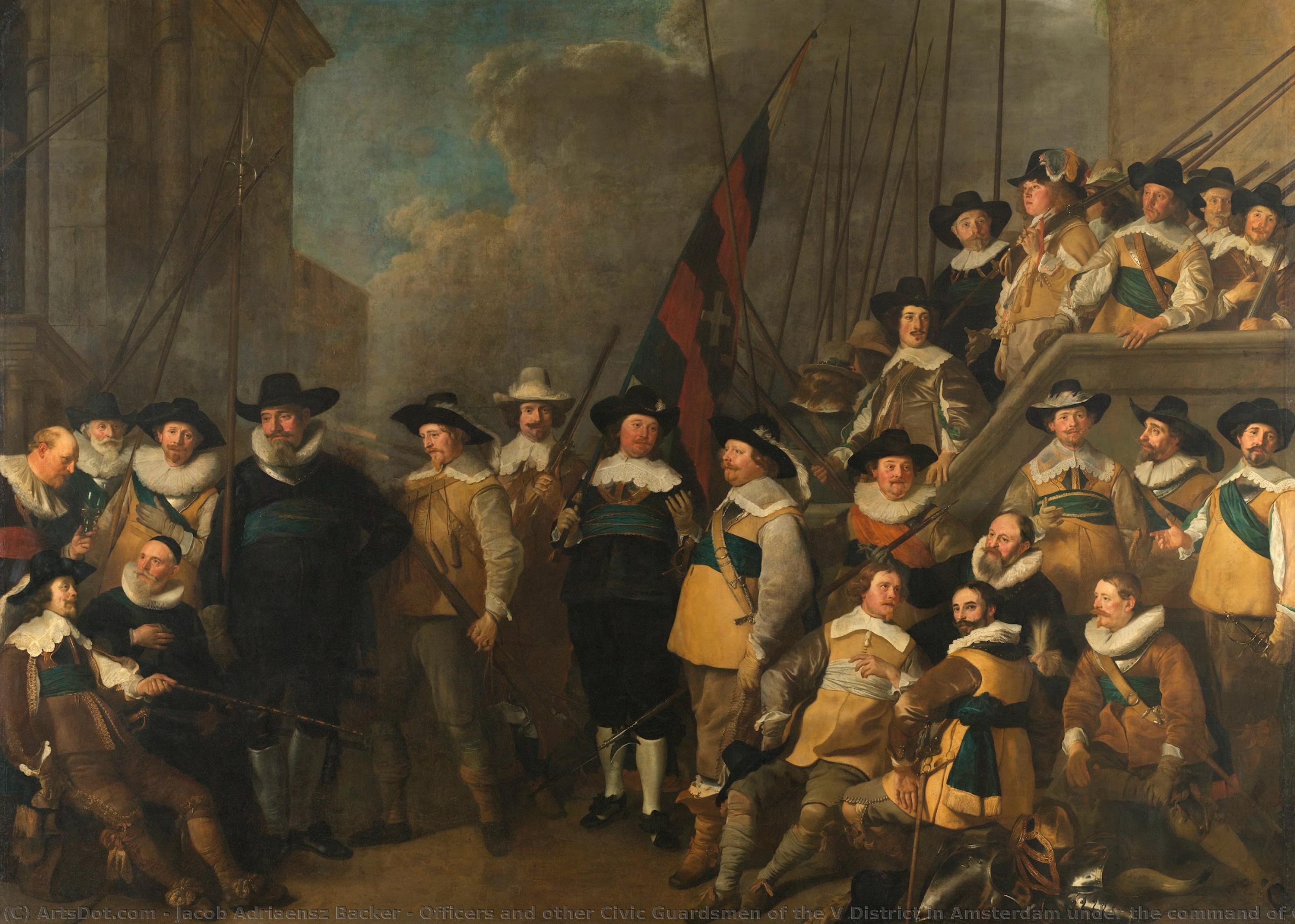
Officers and other Civic Guardsmen of the V District in Amsterdam under the command of Captain Cornelis de Graeff and Lieutenant Hendrick Lauwrensz, Jacob Adriaensz Backer, 1642
 1642
1642 367.0 x 513.0 cm
 Read More
Purchase a high-resolution, enhanced digital image, far superior to the online preview.
Each file is meticulously prepared by our in-house specialists using advanced tools and expert manual retouching. We ensure every image has exceptional clarity, precise color accuracy, and fine detail.
The final file is delivered via email within 72 hours, optimized for immediate use in professional, editorial, and print environments. This is the same quality trusted by top-tier design studios, publishers, and galleries.
Digital Image
Download a high-resolution file for personal display, printing, and creative projects. ( Buy Print Buy Hand Made Painting)
Included in Every Digital Image Order
Expert Digital Delivery, Guaranteed
When you choose ArtsDot.com, you're not just getting an image - you're receiving a professionally enhanced digital artwork, crafted with precision and backed by a satisfaction guarantee. Here's everything that comes with your order, automatically:

Fast Email Delivery
Your high-resolution digital image file will be emailed to you within 72 hours of ordering - ready for immediate use.

AI-Enhanced Digital File
Your artwork is professionally optimized using advanced AI tools and manual editing, ensuring maximum detail, clarity, and color accuracy.

Free Lifetime Re-Delivery
Accidentally deleted or lost your file? No worries - we'll resend it to you anytime, free of charge.

No Import Fees - Ever
Enjoy your artwork instantly with zero customs, duties, or delivery fees - digital downloads are always tax-free.

Color Accuracy Guarantee
We ensure your digital image reflects the original colors as closely as possible using professional tools and color management.

60-Day Satisfaction Guarantee
If you're not satisfied with your digital image, we'll revise it or refund 100% within 60 days - no questions asked.

100% Money-Back Guarantee
Not satisfied? Get a full refund within 60 days of receiving your digital file - no questions asked.

Bulk Order Discounts
Buy 3 images, save 10% - Buy 5, save 15% - Buy 10+, save 20%. Great for creative projects, galleries, and agencies.
Related Artworks








Artist Biography
Jacob Adriaensz Backer: The Rapid Master of Amsterdam
Jacob Adriaensz Backer (1608-1651) stands as a singular figure in the Dutch Golden Age, celebrated primarily for his astonishing speed and precision in portraiture – a feat that cemented his reputation as one of the era’s most prolific artists. Born in Harlingen, Netherlands, he experienced a formative childhood marked by his father's relocation to Amsterdam following his wife’s untimely death, immersing him in the bustling artistic environment of the city. This early exposure undoubtedly nurtured his talent and propelled him toward a distinguished career that would leave an indelible mark on Dutch art history.- Early Training & Influences: Backer's artistic journey began under the tutelage of Lambert Jacobsz, a Mennonite teacher who instilled in him a foundational understanding of religious painting techniques. Notably, he studied alongside Govert Flinck, another Mennonite pupil and collaborator, fostering connections within a vibrant intellectual community that valued craftsmanship and moral integrity. These formative influences would shape his stylistic sensibilities, particularly evident in his depictions of biblical narratives.
- Amsterdam & Hendrick Uylenburgh: Moving to Amsterdam around 1633, Backer found patronage with Hendrick Uylenburgh, a wealthy merchant who recognized Backer’s exceptional abilities and commissioned numerous portraits. This association provided invaluable opportunities for artistic development and solidified Backer's position as a leading portraitist of his time.
- Technique & Style: Backer’s fame rests largely on his revolutionary “wet-on-wet” technique – a method pioneered in Haarlem that allowed artists to capture fleeting expressions and textures with remarkable immediacy. As Joachim von Sandrart famously recounted, a woman could arrive from Haarlem and depart the same day, leaving behind a portrait completed with breathtaking speed and detail. This technique, coupled with his meticulous observation of anatomy and drapery, resulted in portraits imbued with an unparalleled sense of realism and psychological insight.
A Virtuoso Painter Beyond Portraits
While Backer’s portraiture undoubtedly captivated audiences, he was equally adept at tackling ambitious projects in other genres. His canvases explored themes from contemporary history – Granida and Daifilo – demonstrating his willingness to engage with pressing social and political concerns of the era. Furthermore, he produced stunning mythological paintings, reflecting a broader artistic engagement with classical ideals and narratives. Backer’s masterful handling of color and composition showcased his versatility as an artist and cemented his legacy as a true innovator within the Dutch Baroque tradition.- Religious Subjects: Backer's devotion to religious art is palpable in his numerous depictions of biblical scenes, characterized by serene compositions and luminous colors.
- Mythological Visions: His explorations of mythological themes – particularly the crowning of Mirtillo – reveal a fascination with classical mythology and its enduring influence on artistic expression.
Legacy & Recognition
Jacob Adriaensz Backer’s contribution to Dutch art is undeniable, producing approximately 140 paintings in just twenty years—a remarkable output for his time. His meticulous attention to detail and unparalleled speed in portraiture earned him considerable acclaim during his lifetime, as evidenced by Joachim von Sandrart's astute observation regarding the Haarlem-Amsterdam journey. Backer’s work continues to inspire admiration for its technical brilliance and emotional depth, securing his place among the most celebrated artists of the Dutch Golden Age—a testament to his enduring artistic vision.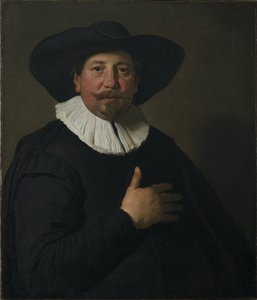
jacob adriaensz backer
1608 - 1651 , Netherlands
Quick Facts
- Artistic Movement Or Style: Golden Age painting
- Artists Or Movements Influenced By This Artist: ['Rembrandt']
- Artists Who Influenced This Artist:
- Wybrand de geest
- Rubens
- Abraham Bloemaert
- Date Of Birth: Harlingen, Netherlands (1608)
- Date Of Death: 1651
- Full Name: Jacob Adriaensz Backer
- Nationality: Dutch
- Notable Artworks: ['Portrait of Machtelt Bas']
- Place Of Birth: Netherlands

