

 Preview
 Send
Send Share
Share
 Details

 Download
 Similars
 X-Ray
X-Ray Diaporama
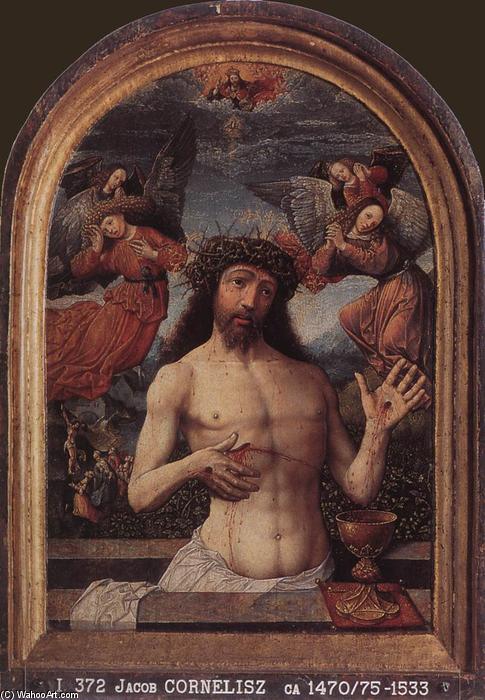
Man of Sorrows
 Oil On Canvas
- WallArt
- Northern Renaissance
 23.0 x 15.0 cm
 Museum Mayer van den Bergh
 Read More
Purchase a high-resolution, enhanced digital image, far superior to the online preview.
Each file is meticulously prepared by our in-house specialists using advanced tools and expert manual retouching. We ensure every image has exceptional clarity, precise color accuracy, and fine detail.
The final file is delivered via email within 72 hours, optimized for immediate use in professional, editorial, and print environments. This is the same quality trusted by top-tier design studios, publishers, and galleries.
Digital Image
Download a high-resolution file for personal display, printing, and creative projects. ( Buy Print Buy Hand Made Painting)
Included in Every Digital Image Order
Expert Digital Delivery, Guaranteed
When you choose ArtsDot.com, you're not just getting an image - you're receiving a professionally enhanced digital artwork, crafted with precision and backed by a satisfaction guarantee. Here's everything that comes with your order, automatically:

Fast Email Delivery
Your high-resolution digital image file will be emailed to you within 72 hours of ordering - ready for immediate use.

AI-Enhanced Digital File
Your artwork is professionally optimized using advanced AI tools and manual editing, ensuring maximum detail, clarity, and color accuracy.

Free Lifetime Re-Delivery
Accidentally deleted or lost your file? No worries - we'll resend it to you anytime, free of charge.

No Import Fees - Ever
Enjoy your artwork instantly with zero customs, duties, or delivery fees - digital downloads are always tax-free.

Color Accuracy Guarantee
We ensure your digital image reflects the original colors as closely as possible using professional tools and color management.

60-Day Satisfaction Guarantee
If you're not satisfied with your digital image, we'll revise it or refund 100% within 60 days - no questions asked.

100% Money-Back Guarantee
Not satisfied? Get a full refund within 60 days of receiving your digital file - no questions asked.

Bulk Order Discounts
Buy 3 images, save 10% - Buy 5, save 15% - Buy 10+, save 20%. Great for creative projects, galleries, and agencies.
Collectible Description
The Weight of Sorrow: Jacob Cornelisz van Oostsanen’s “Man of Sorrows”
Jacob Cornelisz van Oostsanen's "Man of Sorrows," painted circa 1510, isn’t merely a depiction of Christ; it’s an immersion into profound grief and spiritual contemplation. Emerging from the artistic crucible of Northern Europe during a period of intense religious fervor, this painting transcends its formal elements to resonate with a deeply human experience – the recognition of suffering and the promise of redemption. The work stands as a testament to van Oostsanen's skill in capturing not just physical form but also the very essence of sorrow, a feat rarely achieved with such poignant intensity.
The painting’s genesis lies within the rich tapestry of devotional art that flourished across Europe during the early 16th century. Drawing heavily from Byzantine precedents – particularly the iconic “Imago Pietatis” or Christ of Pity – van Oostsanen elevates a familiar image to new heights of emotional depth. The composition is deliberately restrained, focusing entirely on the central figure of Christ. He’s presented in a half-length pose, his body slumped forward, mirroring the weight of his sacrifice. The starkness of the background—a muted expanse punctuated by two serene angels – serves only to amplify the drama unfolding before the viewer. The artist masterfully employs chiaroscuro, utilizing subtle gradations of light and shadow to sculpt Christ’s form and emphasize the vulnerability etched upon his face.
A Study in Texture and Technique
Van Oostsanen's technical prowess is immediately evident in the meticulous detail with which he renders the textures of Christ’s garments. The folds of the fabric, rendered with a delicate brushwork that suggests both weight and fluidity, create a tactile quality that invites the viewer to almost reach out and touch them. The artist demonstrates an astute understanding of anatomy, subtly conveying the musculature beneath the skin while simultaneously imbuing the figure with an air of ethereal grace. The use of oil paint allows for rich color saturation and layering, contributing to the painting’s luminous quality despite its predominantly somber palette. Notice particularly the subtle variations in tone applied to the wounds – a testament to his ability to capture both the raw pain and the inherent dignity of Christ's suffering.
Symbolism Woven into Sorrow
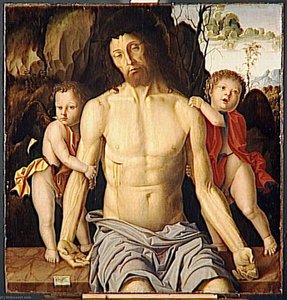
Beyond the immediate depiction of Christ’s agony, “Man of Sorrows” is laden with symbolic meaning. The crown of thorns, prominently displayed on his head, serves as a potent reminder of his humiliation and rejection. The visible wounds—a gaping gash across his side and lacerations on his hands—are not simply representations of physical pain but visual metaphors for the sins of humanity. The angels flanking Christ’s head are often interpreted as symbols of divine protection and solace, offering a silent witness to his suffering. Crucially, the presence of the dove, soaring above the scene, represents the Holy Spirit – a symbol of hope and the promise of resurrection. The chalice held by the angels at the base of the composition is a direct reference to the Eucharist, transforming Christ’s sacrifice into an act of profound spiritual nourishment for believers.
An Echo of Emotion: The Painting's Enduring Impact
“Man of Sorrows” wasn’t intended as a mere historical record but rather as a vehicle for personal devotion. Paintings like this were often displayed in private homes, serving as focal points for prayer and contemplation. The painting’s enduring appeal lies in its ability to evoke a visceral response – a sense of empathy for Christ's suffering and a recognition of the universality of human sorrow. It is a work that invites viewers to pause, reflect, and connect with the profound themes of sacrifice, redemption, and hope. Today, reproductions of this powerful image continue to resonate with audiences worldwide, serving as a poignant reminder of the enduring legacy of faith and artistic expression.
Related Artworks
Artist Biography
Jacob Cornelisz van Oostsanen: Bridging Gothic and Renaissance in Amsterdam
Jacob Cornelisz van Oostsanen (c. 1470 – 1533) stands as a pivotal figure in Northern Netherlandish art, marking the final transition from medieval traditions to the burgeoning Renaissance spirit within the vibrant city of Amsterdam. Despite the scarcity of biographical details—primarily reliant on Karel van Mander’s Schilder-boeck and archival records—scholars have painstakingly reconstructed his life and artistic trajectory, revealing a craftsman deeply rooted in Haarlem’s Gothic heritage yet profoundly impacted by the innovations emanating from Florence and Nuremberg.- Early Life & Family: Born around 1470 in Oostzaan, North Holland, Jacob Cornelisz was part of a family dedicated to painting—his brother Cornelis Buys I and II were also accomplished artists. The location itself offers insight into the artistic milieu of his formative years; Oostzaan’s proximity to Amsterdam fostered connections with influential workshops and established artistic lineages.
- Training & Influences: Like many artists of his time, Jacob Cornelisz honed his skills in Haarlem, absorbing the stylistic precepts of Geertgen tot Sint Jans—a master of luminous color palettes and elongated proportions characteristic of the Gothic tradition. However, he also encountered the transformative ideas championed by Albrecht Dürer, demonstrating a willingness to embrace new artistic approaches and techniques.
Amsterdam & The Dawn of Renaissance Painting
Jacob Cornelisz’s arrival in Amsterdam around 1500 signaled a decisive shift in his artistic career. He purchased two adjacent houses on Kalverstraat, establishing himself as one of the city's foremost artists and securing a stable environment for his family. This move coincided with a period of considerable urban growth and cultural dynamism—Amsterdam was rapidly transforming into a cosmopolitan center attracting artisans and intellectuals from across Europe. His workshop became a hub for experimentation, producing not only commissioned portraits but also intricate woodcuts and stained-glass windows that reflected the prevailing aesthetic sensibilities.Notable Works & Artistic Style
Jacob Cornelisz’s oeuvre comprises approximately 200 woodcuts and 27 paintings—a testament to his versatility as a designer and painter. His prints are distinguished by their meticulous detail and adherence to traditional North Netherlandish conventions, prioritizing narrative clarity and conveying emotion through carefully positioned figures. Paintings like “Christ as Gardener” exemplify his stylistic evolution—characterized by simplified proportions, luminous color harmonies, and a looser brushstroke technique that departed from the rigid formalism of earlier Gothic art. He skillfully blended elements of Haarlem painting with Dürer’s influence, creating images imbued with both spiritual depth and visual splendor.Symbolism & Religious Context
Throughout his artistic career, Jacob Cornelisz consistently addressed religious themes—often commissioned by Catholic patrons seeking to defend orthodoxy against the burgeoning Protestant Reformation. His paintings—including “The Nativity” and “Saul and the Witch of Endor”—employed established iconography rooted in medieval tradition but incorporated contemporary stylistic innovations. These works served as visual representations of faith, skillfully crafted to resonate with audiences familiar with humanist scholarship and artistic trends.Legacy & Historical Significance
Jacob Cornelisz van Oostsanen’s contribution to the history of art is undeniable—he represents the final bastion of Flemish painters resisting Italian stylistic influences. His workshop continued to flourish after his death, fostering artistic innovation and perpetuating his family's legacy as prominent artists in Amsterdam. He remains a symbol of artistic transition, embodying the convergence of Gothic craftsmanship with Renaissance ideals—a pivotal moment in shaping the visual culture of Northern Europe.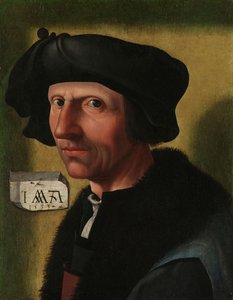
Jacob Cornelisz van Oostsanen
1470 - 1533 , Netherlands
Quick Facts
- Artistic Movement Or Style: Early Netherlandish Painting
- Artists Or Movements Influenced By This Artist: ['Jan van Eyck']
- Artists Who Influenced This Artist:
- Geertgen tot Sint Jans
- Albrecht Dürer
- Date Of Birth: c. 1470
- Date Of Death: 1533
- Full Name: Jacob Cornelisz van Oostsanen
- Nationality: Dutch
- Notable Artworks:
- The adoration of the Magi
- Entombment 1
- San Jerónimo
- Place Of Birth: Oostzaan, Netherlands

