

 Preview
 Send
Send Share
Share
 Details

 Download
 Similars
 X-Ray
X-Ray Diaporama
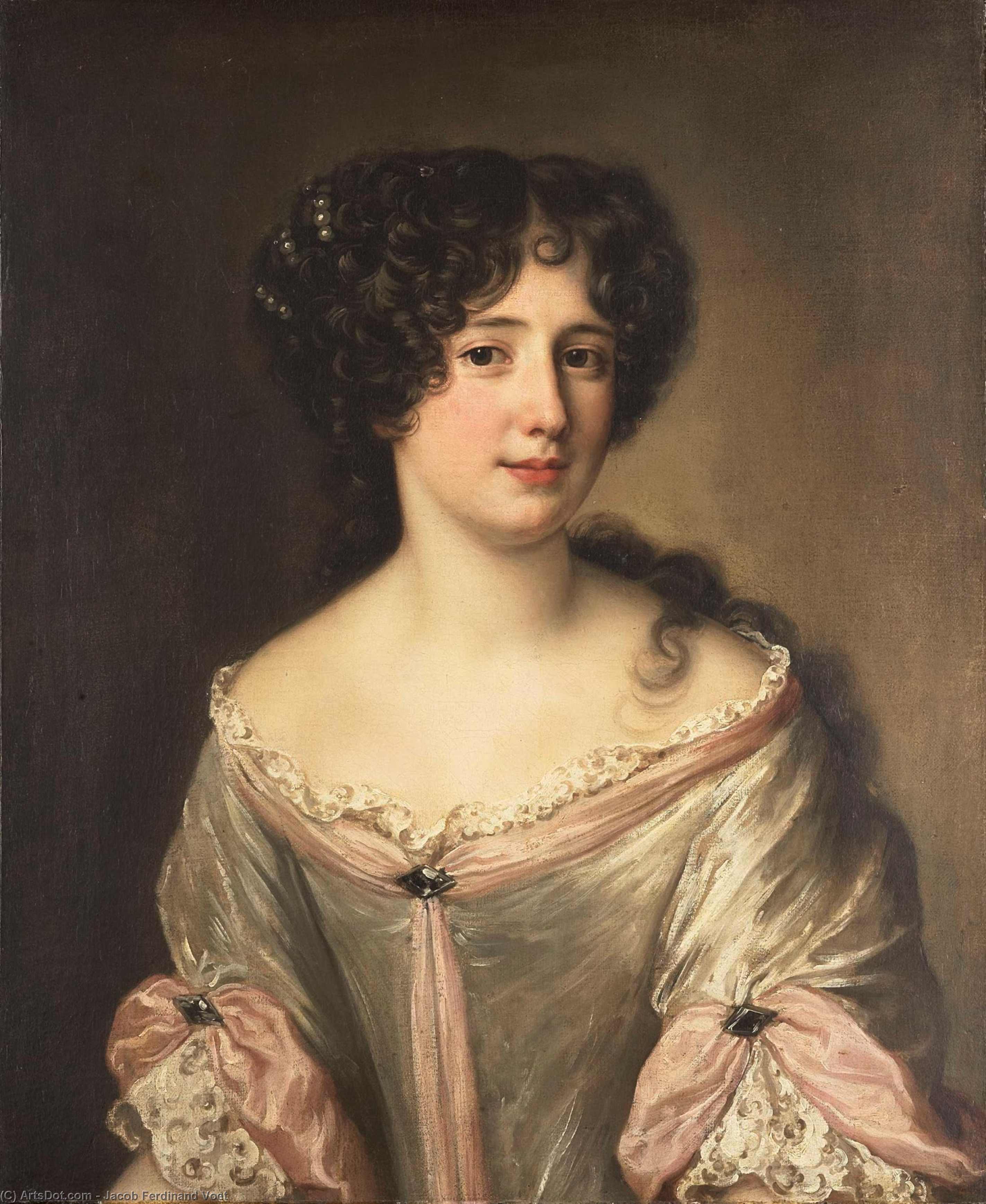
Portrait of Maria Mancini
 Oil On Panel
- Baroque
 1660
1660 73.0 x 63.0 cm
 Rijksmuseum
 Read More
Purchase a high-resolution, enhanced digital image, far superior to the online preview.
Each file is meticulously prepared by our in-house specialists using advanced tools and expert manual retouching. We ensure every image has exceptional clarity, precise color accuracy, and fine detail.
The final file is delivered via email within 72 hours, optimized for immediate use in professional, editorial, and print environments. This is the same quality trusted by top-tier design studios, publishers, and galleries.
Digital Image
Download a high-resolution file for personal display, printing, and creative projects. ( Buy Print Buy Hand Made Painting)
Included in Every Digital Image Order
Expert Digital Delivery, Guaranteed
When you choose ArtsDot.com, you're not just getting an image - you're receiving a professionally enhanced digital artwork, crafted with precision and backed by a satisfaction guarantee. Here's everything that comes with your order, automatically:

Fast Email Delivery
Your high-resolution digital image file will be emailed to you within 72 hours of ordering - ready for immediate use.

AI-Enhanced Digital File
Your artwork is professionally optimized using advanced AI tools and manual editing, ensuring maximum detail, clarity, and color accuracy.

Free Lifetime Re-Delivery
Accidentally deleted or lost your file? No worries - we'll resend it to you anytime, free of charge.

No Import Fees - Ever
Enjoy your artwork instantly with zero customs, duties, or delivery fees - digital downloads are always tax-free.

Color Accuracy Guarantee
We ensure your digital image reflects the original colors as closely as possible using professional tools and color management.

60-Day Satisfaction Guarantee
If you're not satisfied with your digital image, we'll revise it or refund 100% within 60 days - no questions asked.

100% Money-Back Guarantee
Not satisfied? Get a full refund within 60 days of receiving your digital file - no questions asked.

Bulk Order Discounts
Buy 3 images, save 10% - Buy 5, save 15% - Buy 10+, save 20%. Great for creative projects, galleries, and agencies.
Collectible Description
Portrait of Maria Mancini: A Glimpse into Venetian Opulence
Jacob Ferdinand Voet’s “Portrait of Maria Mancini” is more than just a likeness; it's a meticulously crafted window into the vibrant, often turbulent, world of 17th-century Venice. Completed in 1660, this captivating painting captures the essence of a young woman at the height of her allure – a figure both strikingly beautiful and subtly shadowed by circumstance. The portrait isn’t merely decorative; it's a carefully constructed narrative, revealing layers of social status, artistic influence, and perhaps even a hint of melancholy.
Voet, a master of the Venetian style, expertly employs a technique that blends the formality of court portraits with the sensualism favored by the era. Notice the rich, dark background – a deliberate choice designed to draw all attention to Maria herself. The use of chiaroscuro, the dramatic interplay of light and shadow, is particularly effective here, sculpting her features and creating an almost three-dimensional quality. His brushwork is remarkably smooth and polished, indicative of his meticulous approach and desire for realism, yet imbued with a subtle elegance that speaks to the sophistication of Venetian art.
The Subject: A Mancini Sister at the Heart of Intrigue
Maria Mancini was no ordinary young woman. She belonged to one of Venice’s most powerful and politically astute families – the Mancini. The family, renowned for their cunning and ambition, navigated the treacherous currents of Venetian politics with remarkable skill. Maria herself became a central figure in this drama, known for her beauty, wit, and, crucially, her romantic entanglements. Her story intertwined with that of Louis XIV of France, creating a scandal that reverberated through European courts.
The portrait itself is believed to be one of a series commissioned by Voet for the Mancini family. The other portraits depict Maria’s sister, Marie Anne, and their mother, Isabella. These paintings were not simply vanity projects; they served as powerful visual statements, reinforcing the family's social standing and projecting an image of wealth, refinement, and influence. The inclusion of Maria in this group underscores her importance within the Mancini dynasty.
Symbolism and Venetian Aesthetics
Beyond its immediate beauty, “Portrait of Maria Mancini” is rich with symbolic details. Her elaborate gown, adorned with luxurious fabrics and intricate lace, speaks to her family’s wealth and status. The delicate pearls around her neck are a classic symbol of nobility and refinement. However, the subtle downturn of her lips and the slightly shadowed expression suggest a deeper complexity – perhaps hinting at the pressures and constraints placed upon women of her social standing.
The painting also reflects the prevailing Venetian aesthetic of the time. The emphasis on beauty, elegance, and sensualism was characteristic of the city’s artistic culture. Venice, a hub of trade and diplomacy, fostered an environment where art served as both a reflection of wealth and power and a means of expressing sophisticated tastes. Voet masterfully captures this atmosphere, creating a portrait that is both visually stunning and culturally significant.
A Legacy of Elegance: Reproduction and Appreciation
Today, “Portrait of Maria Mancini” stands as a testament to Voet’s skill and the enduring appeal of Venetian art. High-quality reproductions allow us to appreciate the painting's intricate details and nuanced symbolism from afar. When selecting a reproduction, consider the medium – oil on canvas offers the most authentic representation of Voet’s original technique. The painting’s captivating beauty and intriguing story continue to resonate with viewers centuries later, making it a timeless masterpiece worthy of admiration and preservation.
Related Artworks
Artist Biography
Jacob Ferdinand Voet: The Florentine Shadow of Baroque Elegance
Jacob Ferdinand Voet, a name often whispered in the circles of 17th-century European art, remains a figure of captivating mystery and undeniable skill. Born in Antwerp around 1639, his life unfolded across the vibrant landscapes of Italy and France, leaving behind a legacy of exquisitely rendered portraits that captured the glamour and social intricacies of an era. While details regarding his early training remain scarce – a frustratingly common occurrence for artists of this period – Voet quickly established himself as one of the most fashionable and sought-after portrait painters in Rome, earning him a reputation for elegance, refined detail, and a remarkable ability to imbue his subjects with captivating presence.
Voet’s career began in Antwerp, the son of painter Elias Voet. He embarked on a journey that led him first to Rome, where he resided from 1663 to 1680. This period proved pivotal, immersing him within the bustling artistic community of the Bentvueghels – an association of Dutch and Flemish artists who documented their experiences through drawings and prints. A particularly intriguing artifact stemming from this time is a charcoal drawing depicting all members of the group, preserved on the wall of a Roman inn; its survival speaks volumes about Voet’s standing within the artistic network and his contribution to its collective identity.
The Papal Court and Beyond: Patronage and Artistic Flourishing
Rome became the epicenter of Voet's career. He swiftly gained recognition for his portraits, attracting a prestigious clientele that included members of the papal court, prominent Roman families like the Colonna and Odescalchi, and even Queen Christina of Sweden, who commissioned a portrait reflecting her regal bearing. The influence of these patrons fueled his artistic development, exposing him to diverse styles and demanding an elevated level of sophistication in his work. Beyond Rome, Voet’s talents were also appreciated by European nobility, including English visitors on their Grand Tours – journeys designed to expose young aristocrats to the art and culture of Europe.
A particularly significant commission during this period was a series of 37 portraits known as ‘Galleria delle Belle,’ created for Cardinal Chigi between 1672 and 1678. These captivating depictions of Roman women, showcased in his dining room at the Palazzo Chigi in Ariccia, sparked a trend throughout Europe – a fascination with portraying young women in luxurious settings. Voet’s meticulous attention to detail, particularly in capturing the eyes and expressions of his subjects, elevated these portraits beyond mere likenesses; they became windows into the lives and social standing of Rome's elite.
A Scandalous Reputation and a Shifting Landscape
Despite his success, Voet’s career was not without controversy. His depictions of women often featured daringly low necklines – a stylistic choice that scandalized Pope Innocent XI, who promptly banned him from Rome in 1680. This episode highlights the complex social and religious constraints faced by artists during this era, demonstrating how artistic freedom could be limited by prevailing moral sensibilities. Following his expulsion, Voet continued to work, establishing himself in Milan, Florence, and eventually Turin, adapting his style and catering to new patrons.
Legacy and Enduring Influence
Jacob Ferdinand Voet’s impact on the history of portraiture is undeniable. He masterfully blended the elegance of the Baroque with a keen understanding of human psychology, creating portraits that are both visually stunning and psychologically insightful. While his early life remains shrouded in some mystery, his later years were marked by prolific output and widespread acclaim. His work continues to be studied and admired for its technical brilliance, its ability to capture the essence of his subjects, and its reflection of a pivotal moment in European art history – the flourishing of portraiture during the late Baroque period. Voet’s legacy endures not just through his paintings but also through the enduring fascination they inspire, offering a glimpse into the opulent world of 17th-century Europe.
Jacob Ferdinand Voet
1639 - 1700 , Belgium
Quick Facts
- Artistic Movement Or Style: Baroque portraiture
- Date Of Birth: 1639 Antwerp, Belgium
- Date Of Death: 1700
- Full Name: Jacob Ferdinand Voet
- Nationality: Flemish
- Notable Artworks:
- Queen Christina of Sweden
- Cardinal de Retz
- Cardinal Carlo Cerri
- Place Of Birth: Antwerp, Belgium

