 Preview
 Send
Send Share
Share
 Details

 Download
 Similars
 X-Ray
X-Ray Diaporama
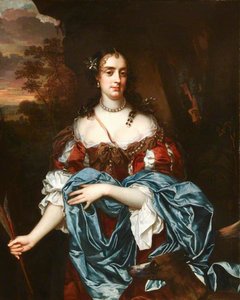
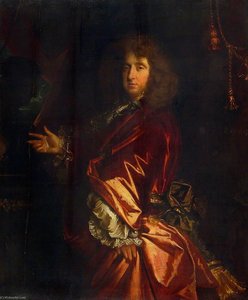
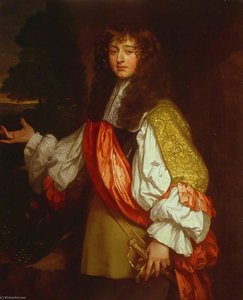
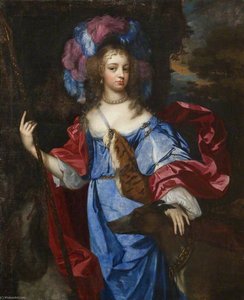
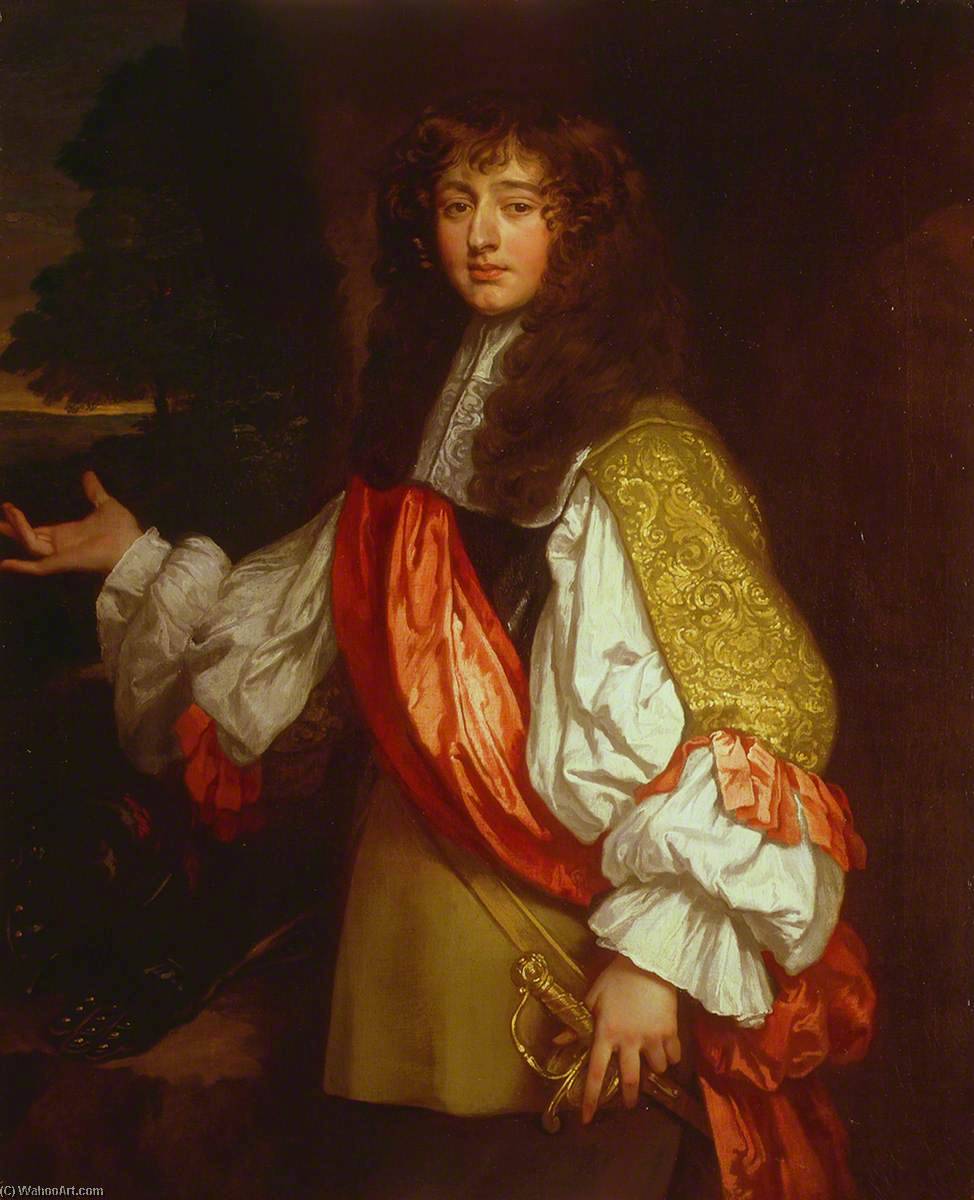
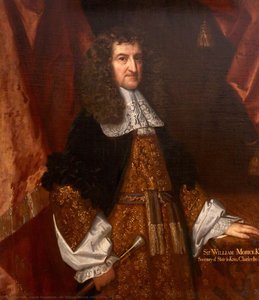
Sir John Chichley (c.1640–1691)
 1664
1664 127.0 x 102.0 cm
 Read More
Hand Made Oil Reproduction
Hand-painted oil on canvas in your size and frame, made to order by our artists. ( Buy Print Buy Image)




































Pick from our preset sizes that match the artwork's original proportions.

You may enter your own dimensions to fit a specific frame or space. If your selected size does not match the original image's proportions, we will either crop the artwork or extend the painting with additional hand-painted elements. A digital mockup will be sent for your approval before production begins.
Please note that the on-screen preview does not reflect the actual cropping or extension. Only the mockup will accurately show the final composition.
While custom sizes are available, we recommend selecting a dimension from the predefined list to preserve the original proportions.
After order, ArtsDot.com team will email client for instructions and provide a mockup preview
Worldwide Delivery () in 3/4 weeks instead of standard 5 weeks. (17 August). No compromise on quality.

Free Worldwide Express Shipping

High-Quality Linen Canvas

Full Shipping Insurance

Customs Tax Refund Guarantee

True Color Matching Guarantee

60-Day Return Policy (Defects Only)

100% Money-Back Guarantee

Bulk Discount Offer
 Glass option is only available in size under 110 CM

Sir John Chichley (c.1640–1691)
Reproduction Medium
Reproduction Size
-


Total Price
$ 263
Related Artworks
Artist Biography
Jacob Huysmans: A Flemish Court Painter Bridging Baroque Splendor and Protestant Grace
Jacob Huysmans (c. 1633–1696) stands as a pivotal figure in the artistic landscape of seventeenth-century Flanders, particularly renowned for his captivating portraits commissioned by Queen Catherine of Braganza – a Catholic monarch who captivated the imagination of England during her reign. His career unfolded against the backdrop of religious upheaval and artistic rivalry, establishing him as a formidable competitor to Peter Lely’s more restrained style and cementing his legacy as an artist deeply embedded in the cultural currents of his time.- Early Life & Training: Born in Antwerp, Huysmans descended from a family steeped in artistic tradition. His uncle and brother were both accomplished landscape painters – Cornelis and Jan Baptist Huysmans – demonstrating that artistic talent flowed through their lineage. Recognizing his potential, he received formal training under the tutelage of celebrated history painters Gillis Backereel and Frans Wouters, absorbing the stylistic conventions of the Baroque era and honing his skills in meticulous observation and expressive rendering.
- Migration to England & Initial Patronage: Circumstances propelled Huysmans eastward before the Restoration of Charles II in 1660. Records indicate he arrived in London around 1662, initially focusing on producing “pastiches” – skillfully executed copies of Anthony van Dyck’s portraits – a technique favored by many artists seeking to establish themselves in the English court. This pragmatic approach quickly yielded success as he secured commissions from influential figures like Catherine of Braganza and her daughter Anne Mortimer.
- The Queen's Patronage & Artistic Flourish: Huysmans’ relationship with Catherine of Braganza proved transformative, propelling him to the forefront of English portraiture. Samuel Pepys’ diary entry recounts a visit to Huysmans’ studio in Westminster on August 26th, 1664, describing Huysmans' work as surpassing Lely’s and praising portraits of Queen Catherine and Mrs. Stewart with particular admiration – “which is said to exceed lilly (lely), and indeed there is both of the queenes and mayds of honour (particularly mrs. stewart’s in a buff doublet like a soldier) as good pictures, i think, as ever i saw.” This endorsement underscored Huysmans' reputation for capturing aristocratic beauty with vibrant color palettes and dramatic lighting.
- Style & Technique: Huysmans’ artistic style distinguished itself from the prevailing aesthetic of his era. Unlike Lely’s subdued approach, Huysmans embraced opulent colors and dynamic compositions, reflecting the grandeur of royal patronage. His meticulous attention to detail—evident in fabrics, jewelry, and facial expressions—demonstrated a mastery of technique honed through rigorous observation and skillful brushwork. He skillfully employed chiaroscuro – dramatic contrasts between light and dark – to sculpt form and convey emotion.
- Legacy & Significance: Huysmans’ contribution to English Baroque art is undeniable. His portraits served as visual emblems of royal authority and aristocratic prestige, shaping perceptions of the monarchy during a period of significant political change. Furthermore, his influence extended beyond individual commissions; he helped establish Antwerp as a center for artistic excellence and fostered a tradition of portraiture that blended Flemish realism with Italian elegance. Today, Huysmans’ paintings reside in prestigious collections worldwide, continuing to inspire admiration for their beauty and technical prowess.
Jacob Huysmans
1633 - 1696
Quick Facts
- Artistic Movement Or Style: Baroque Painting
- Artists Or Movements Influenced By This Artist: ['Anthony van Dyck']
- Artists Who Influenced This Artist:
- Gillis Backereel
- Frans wouters
- Date Of Death: 1696
- Full Name: Jacob Huysmans
- Nationality: Flemish
- Notable Artworks:
- Portrait of an Unknown Lady in Red
- Anne Morice (d.1713 1714), Lady Pole
- John Maitland, Duke of Lauderdale
- Place Of Birth: Antwerp