 Preview
 Send
Send Share
Share
 Details

 Download
 Similars
 X-Ray
X-Ray Diaporama
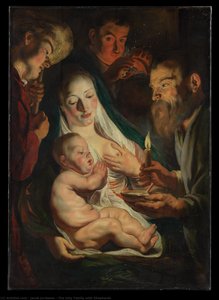
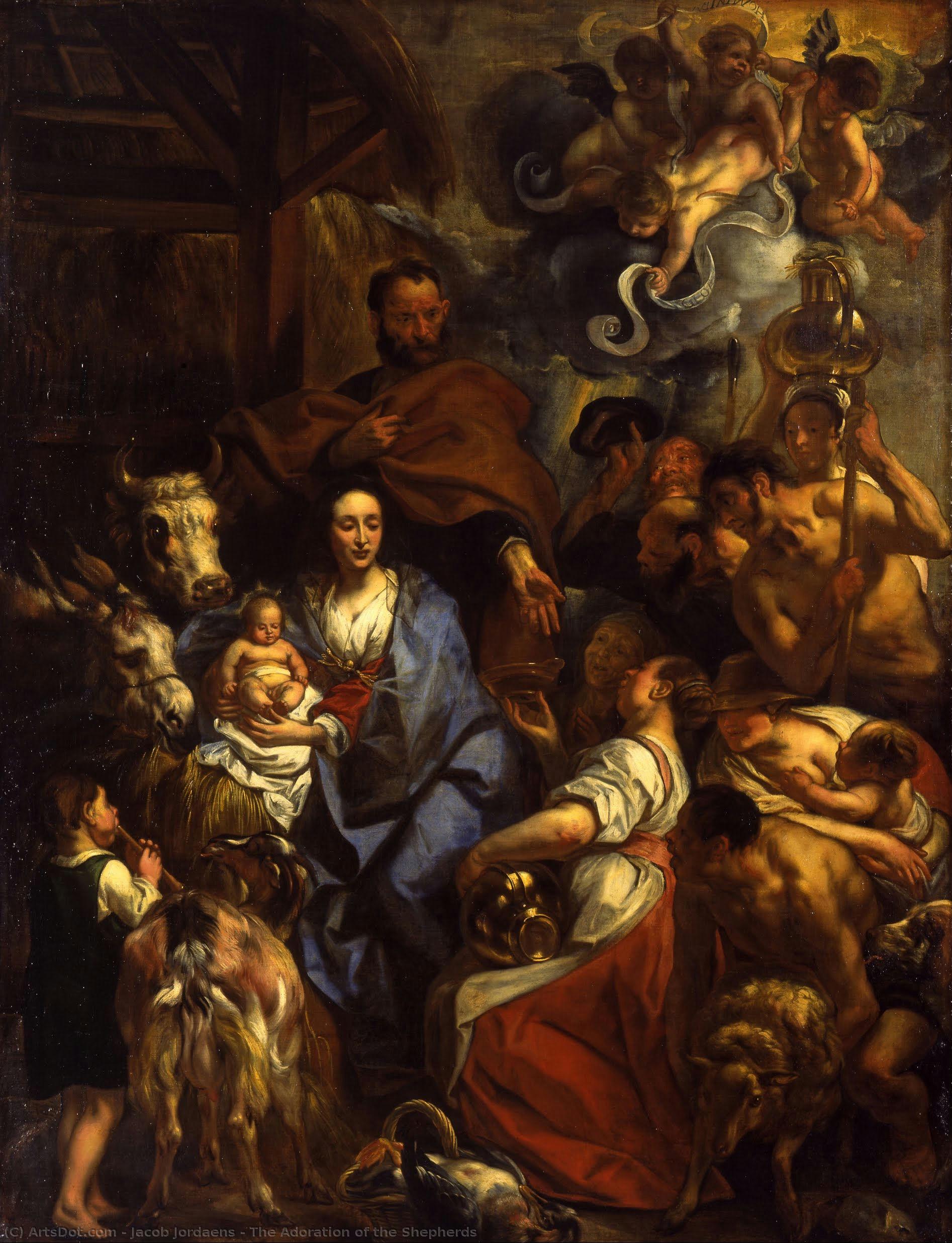
The Adoration of the Shepherds
 Oil
Oil- WallArt
- Baroque
 Early Modern
 205.0 x 269.0 cm
 Read More
Giclée / Art Print
Museum-quality giclée or canvas print with fast production and flexible finish options. ( Buy Hand Made Painting Buy Image)




P118B $10

P118H $10

P118W $10

P438Z $10

P508JH $12

P508YH $12

P805H $10

P805Z $10

P919BZ $10

P919G $10

P919XJ $10

P959ZH $10

P968JZ $12

W106C $8

W218G $10

W218JH $8

W218Y $10

W307PJ $10

W316G $10

W316PJ $8

W316Y $10

W398PJ $8

W4111J $10

W500HY $15

W500JH $15

W692G $12

W849H $8

W940BG $15

W953PJ $8




Pick from our preset sizes that match the artwork's original proportions.

You may enter your own dimensions to fit a specific frame or space. If your selected size does not match the original image's proportions, we will either crop the artwork or extend the image with a mirrored or solid-fill edge. A digital mockup will be sent for your approval before production begins.
Please note that the on-screen preview does not reflect the actual cropping or extension. Only the mockup will accurately show the final composition.
While custom sizes are available, we recommend selecting a dimension from the predefined list to preserve the original proportions.
Worldwide Delivery () in 2 weeks instead of standard 4/5 weeks. (22 August)

Free Worldwide Express Shipping

High-Quality Linen Canvas

Full Shipping Insurance

Customs Tax Refund Guarantee

True Color Matching Guarantee

60-Day Return Policy (Defects Only)

100% Money-Back Guarantee

Bulk Discount Offer
 Glass option is only available in size under 110 CM

The Adoration of the Shepherds
Giclée / Art Print
Reproduction Size
-


Total Price
$ 63
Collectible Description
A Masterpiece of Flemish Warmth and Devotion
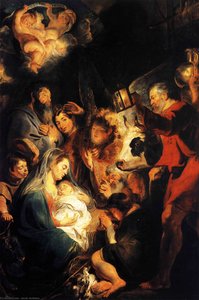
In the grand tradition of the Flemish Baroque, Jacob Jordaens’ The Adoration of the Shepherds stands as a profound testament to the beauty found in the humble and the earthly. This sweeping composition invites the viewer into a sacred moment that feels remarkably intimate, stripping away the distant divinity often found in Renaissance works to replace it with a palpable, breathing reality. At the heart of this celestial encounter is Mary, cradling the infant Jesus with a tenderness that anchors the entire scene. Surrounded by a diverse gathering of shepherds and onlookers, the painting captures the precise moment where the divine intersects with the everyday, creating a narrative that is as much about human connection as it is about religious awe.
Jordaens, a master who found his greatest inspiration in the vibrant life of Antwerp, utilizes a robust and earthy palette to bring this biblical event to life. The technique is characterized by a rich, tactile quality; one can almost feel the coarse wool of the sheep, the sturdy presence of the horses, and the weathered skin of the shepherds. Unlike the ethereal, light-filled canvases of some of his contemporaries, Jordaens employs a dramatic use of chiaroscuro, where deep shadows and warm, golden highlights dance across the figures. This interplay of light does more than just define form; it directs the eye through the complex arrangement of bodies, leading the observer from the periphery of the crowd toward the luminous center of the Christ child.
Symbolism and the Beauty of the Mundane
Every element within this expansive canvas serves a purpose beyond mere decoration. The inclusion of animals—the watchful sheep and the sturdy horse—serves to ground the miraculous event in the natural world, reminding the viewer that the Nativity is an event rooted in the cycle of life and the stewardship of the earth. There is a profound symbolism in the way Jordaens integrates these creatures; they are not mere background elements but silent witnesses to the miracle. The presence of the clock-like detail in the upper reaches of the composition subtly hints at the intersection of eternal time with the fleeting moments of human history, suggesting that this singular night has implications that stretch far beyond the immediate scene.
For the discerning collector or interior designer, this painting offers more than just a historical window; it provides a commanding presence capable of transforming a space. The sheer scale of the work—measuring an impressive 205 x 269 cm—allows for a breathtaking display of detail that rewards prolonged contemplation. Whether placed in a formal gallery setting or used as a focal point in a richly textured room, a high-quality reproduction of this masterpiece brings with it an atmosphere of timelessness and quiet grandeur. It is a piece that speaks to the soul, evoking emotions of peace, reverence, and a deep appreciation for the enduring power of light and shadow.
Related Artworks
Artist Biography
A Flemish Master of Life’s Abundance: Jacob Jordaens
Born into a prosperous Antwerp family in 1593, Jacob Jordaens emerged as one of the most significant and vibrant voices within the Flemish Baroque. Unlike many of his contemporaries who sought training in Italy, Jordaens remained rooted in his native Flanders, developing a uniquely robust and earthy style that celebrated the pleasures and realities of everyday life. His father, a successful linen merchant, provided him with a comfortable upbringing, allowing for an education befitting his social standing before he began his artistic journey under Adam van Noort – also the master of Peter Paul Rubens. This formative training instilled in Jordaens a foundation in meticulous technique and a keen understanding of composition, yet he quickly diverged to forge his own distinct path. In 1616, solidifying his connection to the established Antwerp art world, he married Van Noort’s daughter, Katharina.The Painter of Peasant Revelry and Baroque Grandeur
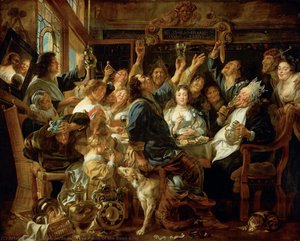
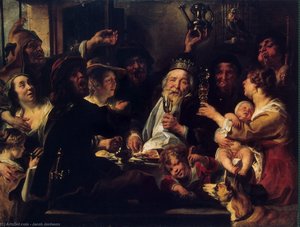
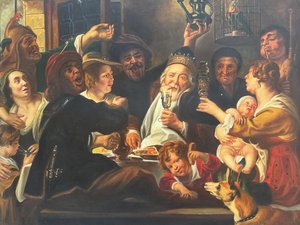
Jordaens' artistic output was remarkably diverse, encompassing religious narratives, mythological scenes, allegorical compositions, genre paintings brimming with life, and even portraits. However, he is perhaps best remembered for his boisterous depictions of peasant festivals and tavern scenes – works that radiate a palpable energy and an uninhibited joy in earthly pleasures. Paintings like *The King Drinks* (also known as the Feast of the Bean King) exemplify this characteristic style: crowded compositions filled with robust figures engaged in lively revelry, rendered in warm, glowing colors and dramatic chiaroscuro. These scenes weren’t merely celebrations of merriment; they were often imbued with subtle moralizing undertones, reflecting the complex relationship between indulgence and restraint prevalent in 17th-century society. Yet, Jordaens was equally adept at handling grander, more formal commissions. His involvement in decorating the Huis ten Bosch palace near The Hague – alongside collaborations with Rubens – showcased his ability to create monumental allegorical works that seamlessly integrated painting and architecture.Influences and a Distinct Artistic Voice
While Jordaens never traveled to Italy, he was deeply influenced by Italian masters like Jacopo Bassano, Paolo Veronese, and Caravaggio—artists whose work reached Flanders through engravings and paintings brought back by other artists. The influence of Caravaggio is particularly evident in his dramatic use of light and shadow, a technique known as tenebrism, which heightens the emotional intensity of his scenes. However, Jordaens didn’t simply imitate these influences; he synthesized them with his own Flemish sensibilities, creating a style that was uniquely his own. He differed from Rubens and Van Dyck in his preference for realism over idealism, embracing a more direct and unrefined approach to depicting the human form. His figures are often substantial, even corpulent, their faces flushed with health and vitality. This commitment to naturalism, combined with his masterful command of color and composition, set him apart from his contemporaries and established him as a leading figure in Flemish Baroque painting.Legacy and Enduring Impact
Throughout his long and prolific career, Jordaens trained numerous pupils – fifteen were officially recorded by the Guild of St. Luke between 1621 and 1667— ensuring the continuation of his artistic legacy. His influence can be seen in the work of later artists like Jan Steen, who shared his penchant for depicting lively genre scenes. Beyond his direct impact on other painters, Jordaens’ classically inspired peasant themes had a lasting effect on the art world, challenging traditional hierarchies and celebrating the dignity of everyday life. Even today, his paintings continue to captivate audiences with their energy, vitality, and honest portrayal of human experience. His ability to blend realism with allegory, sensuality with morality, and grandeur with intimacy makes him one of the most compelling and enduring figures of the Baroque period. Discover more of Jordaens’ masterpieces and explore the rich artistic landscape of the Baroque era through resources available online, including detailed databases of his works and insightful analyses of his life and art.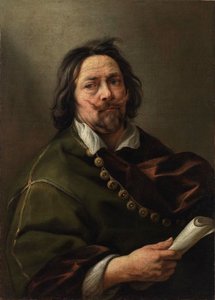
Jacob Jordaens
1593 - 1678 , Belgium
Quick Facts
- Artistic Movement Or Style: Baroque
- Artists Or Movements Influenced By This Artist: ['Jan Steen']
- Artists Who Influenced This Artist:
- Jacopo Bassano
- Paolo Veronese
- Caravaggio
- Date Of Birth: May 19, 1593
- Date Of Death: 1678
- Full Name: Jacob Jordaens
- Nationality: Flemish
- Notable Artworks:
- The Adoration of the Shepherds
- Argus and Mercury
- Place Of Birth: Antwerp, Belgium
Related Articles
Jacob Jordaens: Baroque Dynamism & Genre Innovation of the Antwerp School
Discover Jacob Jordaens, a leading Flemish Baroque painter renowned for his dynamic compositions & realistic genre scenes. Explore his life, art, and lasting influence with ArtsDot.

The Dramatic Flourish: Exploring the Baroque Movement's Enduring Legacy in Art History
Explore the dramatic world of Baroque art! Discover iconic artists like Caravaggio & Rubens, defining techniques, and its lasting impact on art history. Expert insights for collectors & enthusiasts at ArtsDot.

The Visceral Stage: Exploring Dramatic Narratives & Emotional Intensity in Baroque Art
Explore the dramatic world of Baroque art! Discover iconic masters like Caravaggio & Rembrandt, their techniques, and the movement's lasting impact. Expert insights for collectors & enthusiasts at ArtsDot.
Jacob Henricus Maris: A Master of Dutch Atmospheric Realism & the Intimate Landscape
Explore the captivating world of Jacob Henricus Maris, a leading figure of the Dutch Hague School. Discover his atmospheric landscapes, signature brushstrokes & lasting influence on 19th-century art. Learn more at ArtsDot.
The Dramatic Flourish: Exploring Baroque Painting's Emotional Intensity & Artistic Innovations
Explore the dramatic world of Baroque painting! Discover its history, defining characteristics, iconic artists like Caravaggio & Rubens, and lasting influence on Western art. Expert insights for collectors.