

 Preview
 Send
Send Share
Share
 Details

 Download
 Similars
 X-Ray
X-Ray Diaporama
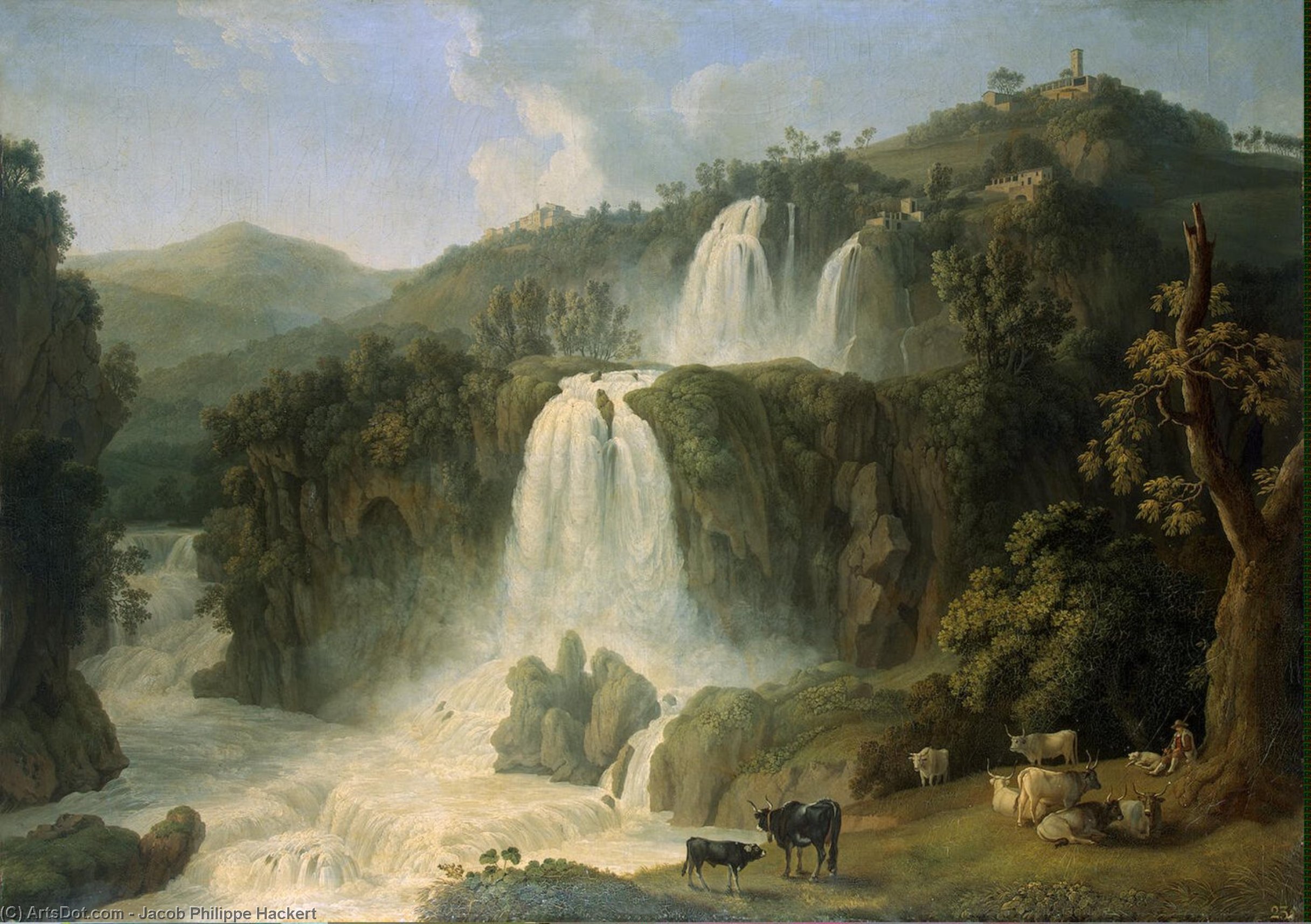
Great Cascades at Tivoli
 Oil On Canvas
- WallArt
- Rococo
 1783
1783 120.0 x 170.0 cm
 Hermitage Museum
 Read More
Purchase a high-resolution, enhanced digital image, far superior to the online preview.
Each file is meticulously prepared by our in-house specialists using advanced tools and expert manual retouching. We ensure every image has exceptional clarity, precise color accuracy, and fine detail.
The final file is delivered via email within 72 hours, optimized for immediate use in professional, editorial, and print environments. This is the same quality trusted by top-tier design studios, publishers, and galleries.
Digital Image
Download a high-resolution file for personal display, printing, and creative projects. ( Buy Print Buy Hand Made Painting)
Included in Every Digital Image Order
Expert Digital Delivery, Guaranteed
When you choose ArtsDot.com, you're not just getting an image - you're receiving a professionally enhanced digital artwork, crafted with precision and backed by a satisfaction guarantee. Here's everything that comes with your order, automatically:

Fast Email Delivery
Your high-resolution digital image file will be emailed to you within 72 hours of ordering - ready for immediate use.

AI-Enhanced Digital File
Your artwork is professionally optimized using advanced AI tools and manual editing, ensuring maximum detail, clarity, and color accuracy.

Free Lifetime Re-Delivery
Accidentally deleted or lost your file? No worries - we'll resend it to you anytime, free of charge.

No Import Fees - Ever
Enjoy your artwork instantly with zero customs, duties, or delivery fees - digital downloads are always tax-free.

Color Accuracy Guarantee
We ensure your digital image reflects the original colors as closely as possible using professional tools and color management.

60-Day Satisfaction Guarantee
If you're not satisfied with your digital image, we'll revise it or refund 100% within 60 days - no questions asked.

100% Money-Back Guarantee
Not satisfied? Get a full refund within 60 days of receiving your digital file - no questions asked.

Bulk Order Discounts
Buy 3 images, save 10% - Buy 5, save 15% - Buy 10+, save 20%. Great for creative projects, galleries, and agencies.
Collectible Description
A Symphony of Light and Stone: Exploring Jacob Philipp Hackert’s Great Cascades at Tivoli
Jacob Philipp Hackert (1737-1807) stands as a cornerstone of German Romantic landscape painting, yet his artistic legacy is inextricably linked to the refined sensibilities of the Rococo and Baroque eras. His monumental canvas, “Great Cascades at Tivoli,” exemplifies this fascinating duality—a masterful blend of classical tradition infused with burgeoning emotional expression. Painted in 1783, this breathtaking depiction captures a dramatic waterfall scene nestled within the verdant hills surrounding Tivoli Palace, Sweden – a location that cemented Hackert’s reputation as a court artist and solidified his position amongst the artistic luminaries of his time.The Classical Foundation: Composition and Technique
Hackert's approach to landscape painting is rooted in the precepts established by Claude Lorrain and Nicolas Poussin, artists who championed atmospheric perspective and idealized beauty. The composition adheres to a traditional pyramidal structure, guiding the viewer’s eye upwards towards the cascading waterfalls – the focal point of the artwork. Careful attention to detail—evident in the meticulously rendered rocks, foliage, and distant architectural elements—demonstrates Hackert's mastery of oil paint on canvas. Soft brushstrokes create a sense of movement within the water and hillsides, while subtle tonal variations contribute to the illusion of depth and luminosity. The artist skillfully utilizes chiaroscuro – dramatic contrasts between light and shadow – enhancing the grandeur of the scene and imbuing it with an emotional resonance characteristic of Romanticism.Swedish Influence and Artistic Dialogue
Hackert’s commission for Tivoli Palace represents a crucial juncture in his artistic development, exposing him to the influences of Swedish landscape painting and fostering dialogues with contemporaries like Antoine Jean Gros and Johann Christian Richter. The palette employed is predominantly cool – blues and greens dominate—reflecting the prevailing aesthetic preferences of the period and mirroring the serene beauty of Tivoli’s natural surroundings. Hackert's meticulous observation of nature, combined with his understanding of artistic conventions, resulted in a painting that transcends mere representation; it aspires to evoke contemplation and admiration for the sublime power of the natural world.Symbolism Beyond Beauty: Harmony and Reflection
“Great Cascades at Tivoli” speaks volumes about more than just visual splendor. The waterfall itself symbolizes purification and renewal—themes frequently explored in Baroque art—while its descent into the distance represents a journey towards transcendence. Hackert’s depiction of livestock grazing peacefully amidst the hills reinforces the Romantic ideal of harmonious coexistence between humanity and nature. Furthermore, the inclusion of figures engaged in simple activities suggests an invitation to pause and appreciate the grandeur of the landscape – mirroring Goethe's philosophical musings on the relationship between man and cosmos.A Legacy Enduring Through Reproduction
Today, a high-quality reproduction of “Great Cascades at Tivoli” offers art lovers and interior designers alike access to Hackert’s unparalleled artistic vision. ArtsDot.com presents meticulously crafted reproductions that faithfully capture the painting's luminous colors, textural nuances, and atmospheric depth—allowing viewers to experience the emotional impact of this iconic masterpiece firsthand. Explore the artwork’s captivating beauty and delve into its rich historical context – a testament to Hackert’s enduring contribution to the artistic heritage of Germany and beyond.Related Artworks
Artist Biography
Early Life and Artistic Foundations
Jacob Philipp Hackert emerged onto the artistic landscape in 1737, born in Prenzlau, Brandenburg – a region now nestled within Germany. His upbringing was steeped in artistry; his father, Philipp Hackert, practiced as both a portraitist and an animal painter, laying the initial groundwork for young Jacob’s creative journey. This familial influence extended to his uncle, under whose guidance he further honed his skills. Formal training followed at the prestigious Prussian Academy of Arts in Berlin beginning in 1758, where he diligently developed the technical foundations that would later define his style. However, Hackert's early career wasn’t confined to studio walls. His travels took him through Swedish Pomerania and eventually to Stockholm, where a pivotal commission from Baron Adolf Friedrich von Olthof – decorative murals for the baron’s estate – broadened his artistic horizons and exposed him to diverse aesthetic sensibilities. These formative years were crucial in shaping Hackert's eye and preparing him for the grander stages of his career.The Italian Awakening: Paris, Rome, and Naples
A defining chapter unfolded with Hackert’s relocation to Paris between 1765 and 1768 alongside fellow Swiss artist Balthasar Anton Dunker. This period proved transformative, immersing him in a vibrant artistic milieu. He found himself profoundly influenced by Claude Joseph Vernet, the celebrated painter of landscapes and seascapes, absorbing elements of Vernet’s dramatic compositions and atmospheric effects into his own burgeoning style. Simultaneously, studies under German engraver Johann Georg Wille refined his precision and attention to detail. In 1768, Hackert embarked on a journey that would irrevocably alter his artistic trajectory – he moved to Italy with his brother Georg, establishing himself primarily in Rome and Naples. This move marked the beginning of an extraordinarily prolific period fueled by numerous commissions for views of the Italian countryside, most notably from Sir William Hamilton. He traversed the length and breadth of Italy, meticulously documenting its beauty and gaining recognition as a master landscape painter. The light, the colors, the very essence of the Italian peninsula captivated him, becoming the defining characteristic of his work.Patronage, Recognition, and Artistic Flourishing
Hackert’s artistic career ascended to new heights through a combination of talent and strategic patronage. His ability to capture the sublime beauty of Italy resonated with prominent figures across Europe. A landmark commission arrived from Catherine the Great of Russia – a cycle of paintings depicting the pivotal Battle of Chesma, solidifying his reputation on an international scale. Further bolstering his standing was a fruitful relationship with Pope Pius VI, resulting in significant artistic projects that showcased his skill and versatility. In 1786, Hackert reached the pinnacle of his career when he was appointed court painter to Ferdinand I of the Two Sicilies in Naples. This prestigious role extended beyond mere painting; he was entrusted with advising on the creation of a painting restoration laboratory at the Museo di Capodimonte and overseeing the transfer of the esteemed Farnese collections from Rome to Naples, demonstrating his deep understanding of art history and conservation. He produced notable paintings depicting Caserta and the Royal Palace of Caserta, as well as a series illustrating the Bourbon ports. Intriguingly, Hackert also served as a secret informant for Russia during this time, maintaining contact with Andrey Razumovsky – a testament to the complex political landscape in which he operated. A particularly cherished connection blossomed between Hackert and Johann Wolfgang von Goethe during the latter’s visit to Naples in 1786, forging a friendship that further elevated his intellectual standing.Style, Legacy, and Historical Significance
Jacob Philipp Hackert's artistic style represents a compelling synthesis of classical landscape painting and an emerging Romantic sensibility. Heavily influenced by the works of Claude Lorrain, his compositions are characterized by carefully balanced arrangements that blend observed reality with an idealized aesthetic vision. However, Hackert distinguished himself through an unwavering commitment to botanical accuracy and a desire for recognizable depictions of place. His paintings are marked by sharp renderings of natural details and realistic portrayals of Italian scenery, often bathed in a warm, golden light. He is rightfully considered one of the greatest interpreters of the *vedutismo* genre – paintings that meticulously depict city views and landscapes with topographical precision. Hackert’s historical significance extends beyond his artistic contributions; he served as a vital cultural ambassador between Germany and Italy during the late 18th century, bridging artistic traditions and fostering cross-cultural exchange. He passed away on April 28, 1807, in San Pietro di Careggi near Florence, leaving behind a substantial body of work that continues to inspire awe and admiration for its beauty, technical mastery, and enduring historical importance. His landscapes are not merely representations of scenery; they are windows into a world imbued with both classical grace and Romantic emotion.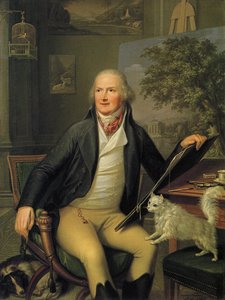
jacob philippe hackert
1737 - 1807 , Germany
Quick Facts
- Artistic Movement Or Style: Classicism, Romanticism
- Artists Or Movements Influenced By This Artist: Vedutismo
- Artists Who Influenced This Artist:
- Claude Joseph Vernet
- Johann Georg Wille
- Claude Lorrain
- Date Of Birth: September 15, 1737
- Date Of Death: April 28, 1807
- Full Name: Jacob Philipp Hackert
- Nationality: German
- Notable Artworks:
- Landscape with River
- View of Caserta
- Autumn
- Chesma cycle
- Place Of Birth: Prenzlau, Germany

