 Preview
 Send
Send Share
Share
 Details

 Download
 Similars
 X-Ray
X-Ray Diaporama
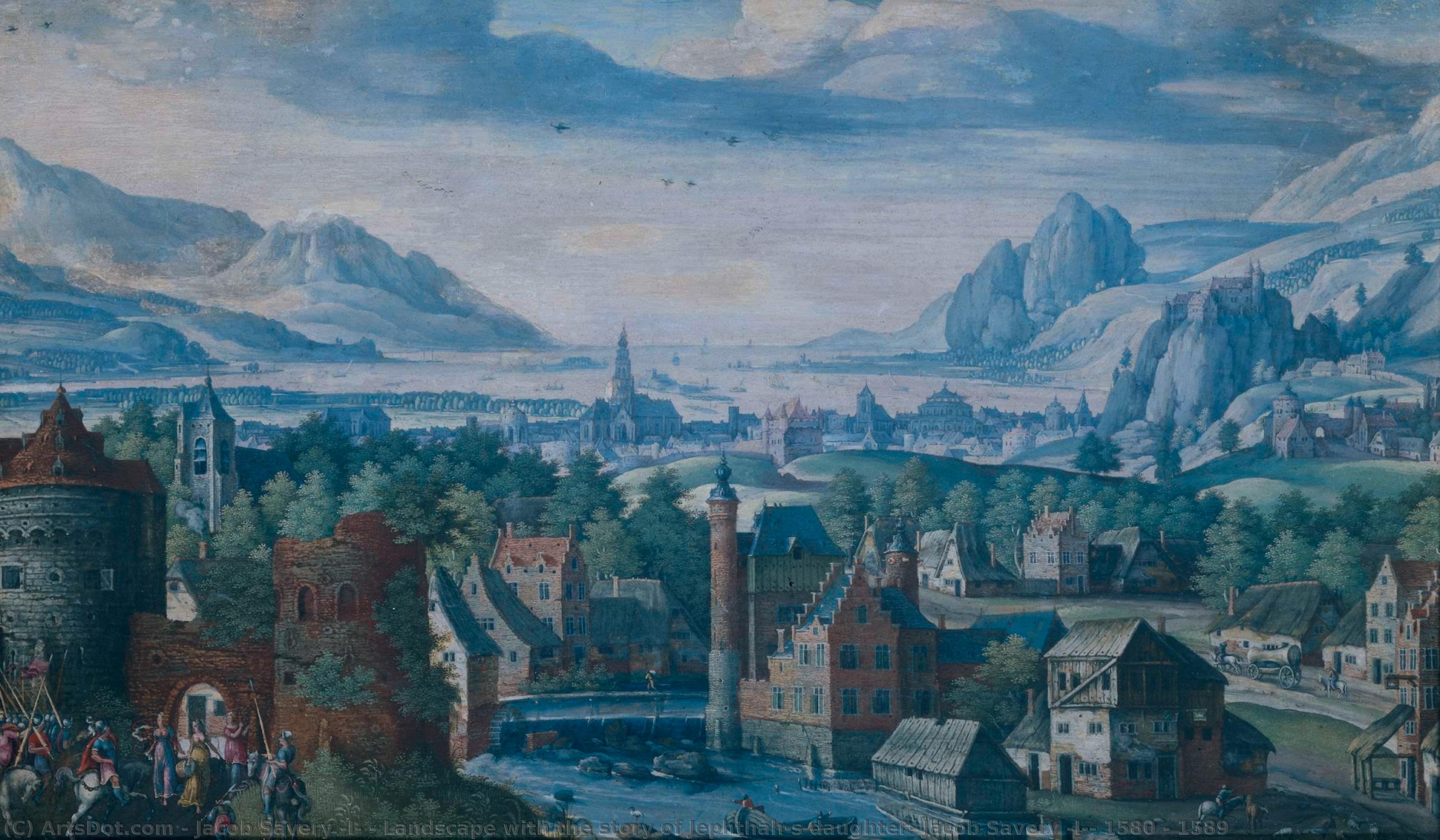
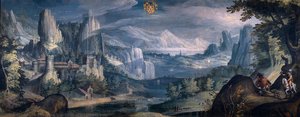
Landscape with the story of Jephthah"s daughter, Jacob Savery (I), 1580 - 1589
 1589
1589 19.0 x 31.0 cm
 Read More
Hand Made Oil Reproduction
Hand-painted oil on canvas in your size and frame, made to order by our artists. ( Buy Print Buy Image)




































Pick from our preset sizes that match the artwork's original proportions.

You may enter your own dimensions to fit a specific frame or space. If your selected size does not match the original image's proportions, we will either crop the artwork or extend the painting with additional hand-painted elements. A digital mockup will be sent for your approval before production begins.
Please note that the on-screen preview does not reflect the actual cropping or extension. Only the mockup will accurately show the final composition.
While custom sizes are available, we recommend selecting a dimension from the predefined list to preserve the original proportions.
After order, ArtsDot.com team will email client for instructions and provide a mockup preview
Worldwide Delivery () in 3/4 weeks instead of standard 5 weeks. (2 September). No compromise on quality.

Free Worldwide Express Shipping

High-Quality Linen Canvas

Full Shipping Insurance

Customs Tax Refund Guarantee

True Color Matching Guarantee

60-Day Return Policy (Defects Only)

100% Money-Back Guarantee

Bulk Discount Offer
 Glass option is only available in size under 110 CM

Landscape with the story of Jephthah"s daughter, Jacob Savery (I), 1580 - 1589
Reproduction Medium
Reproduction Size
-


Total Price
$ 263
Related Artworks








Artist Biography
Early Life and Artistic Beginnings
The story of Hans Heys, a name increasingly resonant in contemporary landscape painting, is one rooted deeply in the Dutch tradition yet blossoming into a uniquely personal vision. Born in 1974 in the Netherlands, Heys’s early life was steeped in the visual language of his surroundings – the expansive skies, the intricate network of waterways, and the flat, fertile polders that define much of the country's character. While not formally trained in a classical sense initially, Heys developed an acute observational skill through countless hours spent sketching *en plein air*, capturing the fleeting effects of light and atmosphere. This self-directed education fostered a direct connection to his subject matter, one that would become a hallmark of his mature work. His initial artistic explorations were modest, focusing on local scenes – windmills silhouetted against dramatic sunsets, fields of tulips ablaze with color, and the quiet dignity of traditional Dutch farmhouses. These early paintings, though relatively unassuming, reveal a nascent talent for capturing mood and an instinctive understanding of composition. Heys wasn’t immediately drawn to grand narratives or historical themes; instead, he found beauty in the everyday, imbuing ordinary landscapes with a sense of poetic stillness.Influences and Development
Heys's artistic journey was significantly shaped by his immersion in the Dutch Masters, particularly the 17th-century landscape painters like Jacob van Ruisdael and Aert van der Neer. He admired their masterful rendering of light, their ability to convey depth and atmosphere, and their subtle psychological portrayal of nature. However, Heys wasn’t content with mere imitation. He sought to move beyond the meticulous realism of his predecessors, incorporating elements of Impressionism and Post-Impressionism into his evolving style. The broken brushwork and vibrant color palettes of artists like Monet and Van Gogh resonated deeply with him, inspiring him to experiment with more expressive techniques.- Jacob van Ruisdael: Influenced Heys’s understanding of atmospheric perspective and the depiction of cloud formations.
- Aert van der Neer: Provided a model for capturing the subtle nuances of light in nocturnal scenes and winter landscapes.
- Claude Monet: Inspired Heys’s exploration of broken color and *plein air* painting techniques.
- Vincent van Gogh: Contributed to Heys’s expressive use of brushwork and emotional intensity.