 Preview
 Send
Send Share
Share
 Details

 Download
 Similars
 X-Ray
X-Ray Diaporama
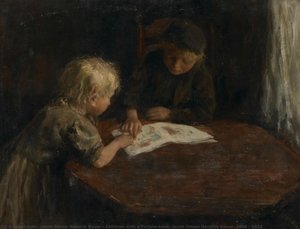
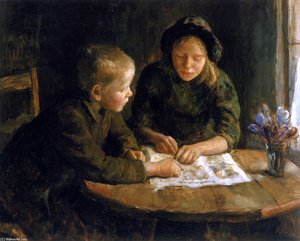
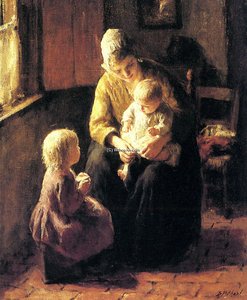
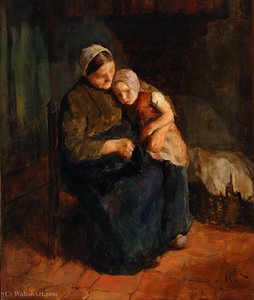
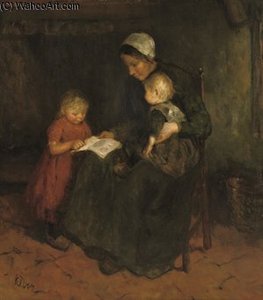
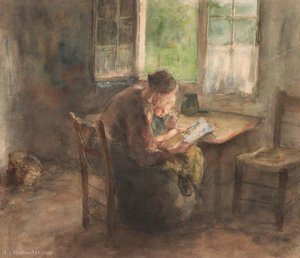
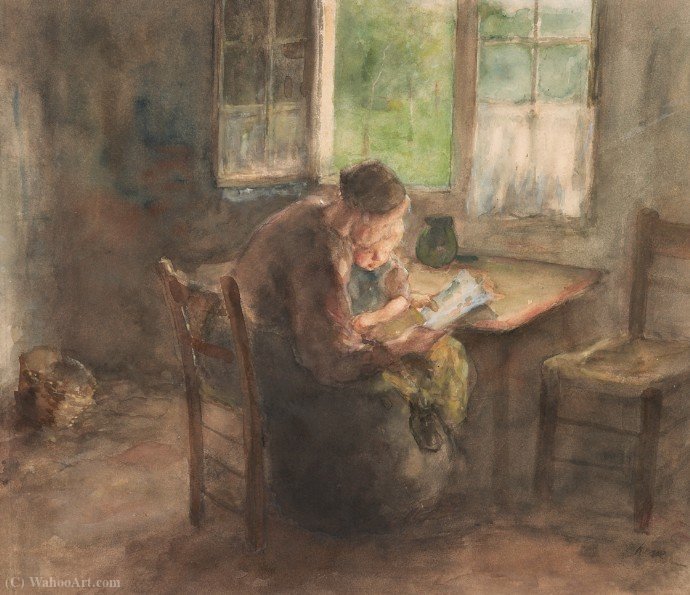
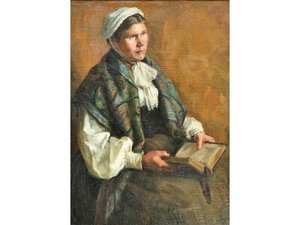
Boekje lezen
 Read More
Hand Made Oil Reproduction
Hand-painted oil on canvas in your size and frame, made to order by our artists. ( Buy Print Buy Image)




































Pick from our preset sizes that match the artwork's original proportions.

You may enter your own dimensions to fit a specific frame or space. If your selected size does not match the original image's proportions, we will either crop the artwork or extend the painting with additional hand-painted elements. A digital mockup will be sent for your approval before production begins.
Please note that the on-screen preview does not reflect the actual cropping or extension. Only the mockup will accurately show the final composition.
While custom sizes are available, we recommend selecting a dimension from the predefined list to preserve the original proportions.
After order, ArtsDot.com team will email client for instructions and provide a mockup preview
Worldwide Delivery () in 3/4 weeks instead of standard 5 weeks. (17 August). No compromise on quality.

Free Worldwide Express Shipping

High-Quality Linen Canvas

Full Shipping Insurance

Customs Tax Refund Guarantee

True Color Matching Guarantee

60-Day Return Policy (Defects Only)

100% Money-Back Guarantee

Bulk Discount Offer
 Glass option is only available in size under 110 CM

Boekje lezen
Reproduction Medium
Reproduction Size
-


Total Price
$ 263
Related Artworks

Artist Biography
The Soul of the Laren School: The Life and Art of Hein Kever
In the quiet, sun-dappled corners of the Dutch countryside, where the rhythm of rural life once dictated the passage of time, the works of Jacob Simon Hendrik Kever—affectionately known as Hein—resonate with a profound, enduring stillness. Born in 1854 into a prosperous Amsterdam family, Kever’s journey was far from the predictable path of his social class. While his upbringing suggested a life of practical commerce, it was the gentle, persistent encouragement of his mother that steered him toward the easel. Through her close friendship with the legendary Jozef Israëls, Kever was introduced to a world where light and shadow held more value than gold, setting the stage for a career defined by an intimate connection to the human condition and the natural landscape.
Kever’s early artistic formation was a tapestry of mentorship and classical rigor. Following the death of Petrus Franciscus Greive, Kever found guidance in the hands of Johan Conrad Greive, whose influence helped shape his initial technical precision. His thirst for mastery eventually led him to the Royal Academy of Fine Arts in Antwerp, where he studied under Charles Verlat. This period of academic refinement provided him with the tools to translate the textures of reality onto canvas, yet Kever’s heart remained tethered to the Laren School movement. This artistic community, centered around the Gooi region, championed a humanist aesthetic that eschewed the grandiosity of historical painting in favor of the sincere, the humble, and the everyday.
A Mastery of Light and Domesticity
The true essence of Kever’s artistry lies in his ability to transform the mundane into the monumental. He was a master of the genre scene, possessing a rare sensitivity for capturing the quiet dignity found within peasant interiors and farmstead life. His early works often reflected the influence of Impressionism, utilizing loose brushstrokes to capture the fleeting atmospheric conditions of the Dutch landscape. However, as his confidence grew, so too did the luminosity of his palette. The muted, earthy tones that characterized his early period gradually gave way to a more vibrant and confident use of light, imbuing his later canvases with a newfound warmth and vitality.
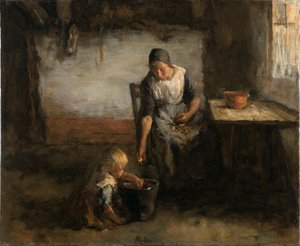
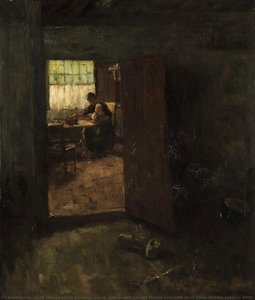
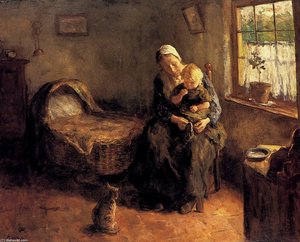
Kever’s technical approach was often born of necessity and a deep respect for his subjects. To avoid the logistical burdens of arranging models, he frequently painted interiors without figures, focusing instead on the evocative power of empty rooms, sunlight streaming through windows, and the silent stories told by inanimate objects. This focus on still life allowed him to explore the interplay of texture and light with surgical precision. When figures did appear—such as in his poignant depictions of mothers and children—they were never mere decorations but central participants in a larger narrative of domestic peace and rural resilience.
Legacy and Historical Significance
Though Kever lived a relatively quiet life, largely confined to the regions of Eemnes, Blaricum, and Laren, his artistic footprint remains significant. He was an artist who found greatness in the small, a painter who understood that the most profound emotions are often found in the most silent moments. His ability to balance the heavy, tonal traditions of the Dutch masters with the emerging light-filled sensibilities of the late 19th century makes his body of work a vital bridge in art history.
Today, the legacy of Hein Kever is preserved in prestigious collections, including the Norton Simon Museum, where his ability to evoke nostalgia and empathy continues to captivate modern viewers. His life serves as a testament to the power of following one's true calling, and his paintings remain enduring windows into a vanished era of Dutch pastoral life. To look upon a Kever painting is to step into a world of:
- Atmospheric Depth: Where the air itself seems heavy with the scent of the countryside.
- Emotional Sincerity: A rejection of artifice in favor of honest, human connection.
- Tonal Harmony: A sophisticated use of color that celebrates the beauty of the natural world.
jacob simon hendrik kever
1880 - 1920 , United States of America
Quick Facts
- Artistic Movement Or Style: Laren School, Impressionism
- Artists Or Movements Influenced By This Artist: ['Dutch Impressionism']
- Artists Who Influenced This Artist: ['Johan Conrad Greive']
- Date Of Birth: 1854 Amsterdam
- Date Of Death: 1922 Amsterdam
- Full Name: Jacob Simon Hendrik Kever
- Nationality: Dutch
- Notable Artworks:
- Naptime
- From wasvrouw
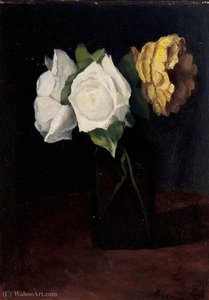
- Three roses in a vase
- Place Of Birth: Amsterdam Netherlands