

 Preview
 Send
Send Share
Share
 Details

 Download
 Similars
 X-Ray
X-Ray Diaporama
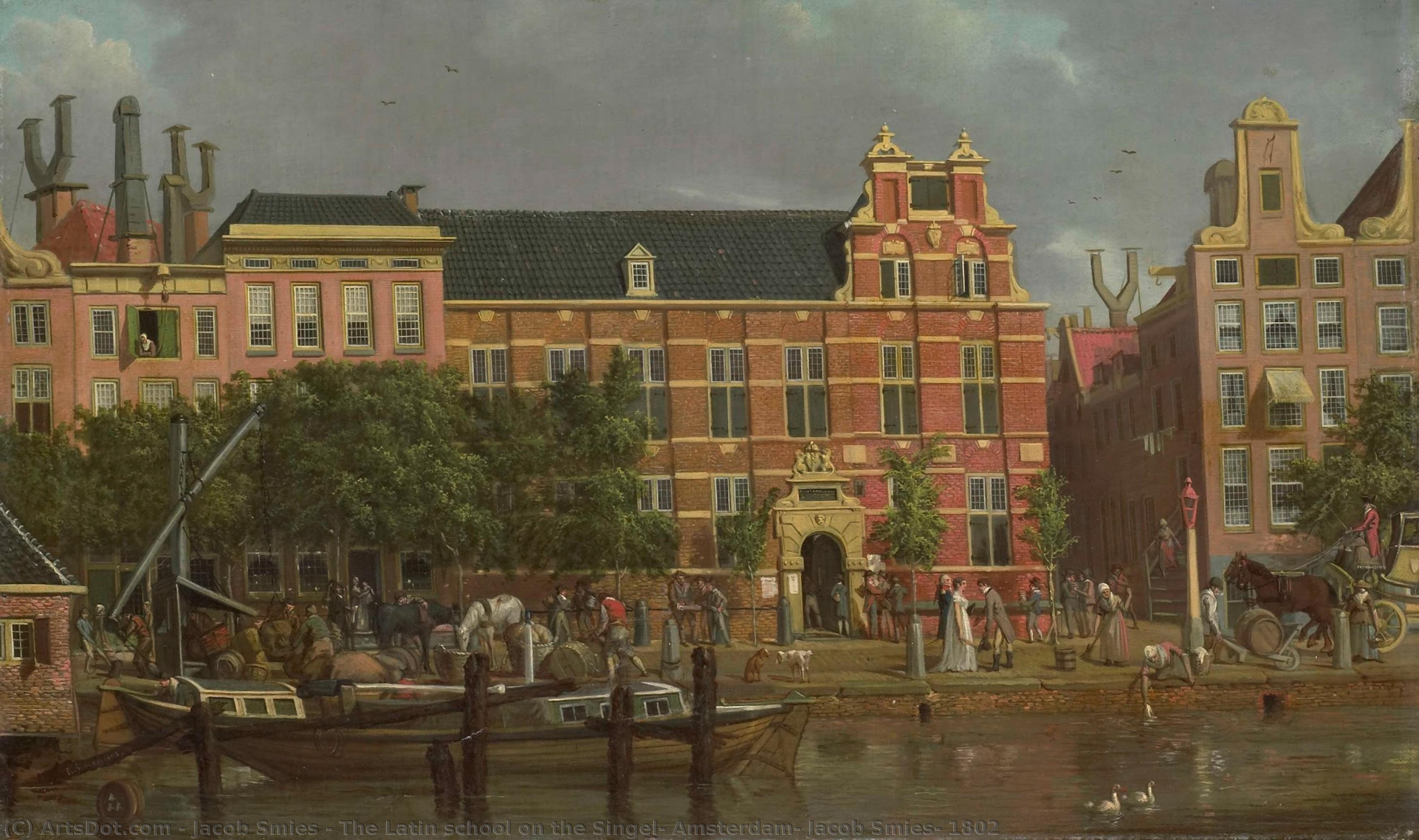
The Latin school on the Singel, Amsterdam, Jacob Smies, 1802
 1802
1802 45.0 x 75.0 cm
 Read More
Purchase a high-resolution, enhanced digital image, far superior to the online preview.
Each file is meticulously prepared by our in-house specialists using advanced tools and expert manual retouching. We ensure every image has exceptional clarity, precise color accuracy, and fine detail.
The final file is delivered via email within 72 hours, optimized for immediate use in professional, editorial, and print environments. This is the same quality trusted by top-tier design studios, publishers, and galleries.
Digital Image
Download a high-resolution file for personal display, printing, and creative projects. ( Buy Print Buy Hand Made Painting)
Included in Every Digital Image Order
Expert Digital Delivery, Guaranteed
When you choose ArtsDot.com, you're not just getting an image - you're receiving a professionally enhanced digital artwork, crafted with precision and backed by a satisfaction guarantee. Here's everything that comes with your order, automatically:

Fast Email Delivery
Your high-resolution digital image file will be emailed to you within 72 hours of ordering - ready for immediate use.

AI-Enhanced Digital File
Your artwork is professionally optimized using advanced AI tools and manual editing, ensuring maximum detail, clarity, and color accuracy.

Free Lifetime Re-Delivery
Accidentally deleted or lost your file? No worries - we'll resend it to you anytime, free of charge.

No Import Fees - Ever
Enjoy your artwork instantly with zero customs, duties, or delivery fees - digital downloads are always tax-free.

Color Accuracy Guarantee
We ensure your digital image reflects the original colors as closely as possible using professional tools and color management.

60-Day Satisfaction Guarantee
If you're not satisfied with your digital image, we'll revise it or refund 100% within 60 days - no questions asked.

100% Money-Back Guarantee
Not satisfied? Get a full refund within 60 days of receiving your digital file - no questions asked.

Bulk Order Discounts
Buy 3 images, save 10% - Buy 5, save 15% - Buy 10+, save 20%. Great for creative projects, galleries, and agencies.
Collectible Description
Related Artworks








Artist Biography
Early Life and Artistic Foundations
Jacob Smies, born in Amsterdam on June 11th, 1764, emerged into a city steeped in artistic tradition yet poised for significant change. The Dutch Golden Age’s brilliance had faded, but a renewed interest in classical ideals was taking root, shaping the nascent Neoclassical movement that would come to define much of Smies's career. His father, also named Jacob Smies, was a printmaker and illustrator, providing young Jacob with an early immersion into the world of visual art. This familial connection proved pivotal; it wasn’t merely exposure but a direct apprenticeship that laid the groundwork for his technical skill and understanding of artistic processes.
Smies's initial training focused on draftsmanship and printmaking—disciplines demanding precision and attention to detail. These early exercises instilled in him a meticulous approach, evident throughout his later paintings. While details regarding his formal education remain somewhat scarce, it’s clear he benefited from the vibrant artistic community of Amsterdam, absorbing influences from both established masters and emerging trends. The city itself served as an inspiration; its canals, architecture, and bustling street life would frequently appear in his work.
A Rising Figure in the Neoclassical Landscape
As Smies matured, he transitioned from printmaking to painting, embracing the principles of Neoclassicism. This style, characterized by a return to classical forms, balanced compositions, and restrained emotion, resonated with the political and social climate of the time. Smies’s paintings began to reflect this aesthetic—portraits exhibiting dignified composure, scenes imbued with historical or moral significance, and landscapes rendered with clarity and order. He participated actively in exhibitions held in Amsterdam and The Hague until 1840, steadily gaining recognition for his refined technique and thoughtful subject matter.
His work during this period wasn’t simply imitation of classical models; Smies infused it with a distinctly Dutch sensibility. He didn't abandon the realism inherited from earlier traditions but rather integrated it into a more structured, idealized framework. This balance is particularly noticeable in his depictions of everyday life—scenes elevated through careful composition and subtle symbolism. The Latin School on the Singel, Amsterdam, painted in 1802, exemplifies this approach; it’s not merely a record of a schoolroom but a carefully constructed tableau reflecting ideals of education and civic virtue.
Court Painter and Civic Engagement
A significant turning point came in 1824 when Smies received the prestigious appointment as court painter. This followed his successful completion of a portrait of King William I, solidifying his position within Dutch society and granting him access to influential circles. Becoming court painter wasn’t just an honor; it meant commissions for portraits of prominent figures, further enhancing his reputation and financial stability.
However, Smies was not solely defined by his role as a portraitist. The tumultuous events of the Belgian Revolution saw him enlist in the army, rising to the rank of sergeant-major in the Hague militia—a testament to his sense of civic duty. This unexpected turn reveals a complex personality beyond the confines of the studio. Later, he became an active member of the Amsterdam branch of the ‘united commission to erect a monument for Rembrandt’ in 1841, demonstrating his commitment to preserving and celebrating Dutch artistic heritage.
Later Years and Lasting Legacy
The latter part of Smies's life took an intriguing turn with his move to Paris around 1850. This wasn’t a retreat but rather a deliberate attempt to engage with the broader European art scene. In 1853, he presented Emperor Napoleon III with a miniature portrait of Louis Bonaparte—a gesture indicative of both his diplomatic skills and artistic prowess.
While the exact date of Smies's death remains uncertain, speculation points towards 1864. His legacy, however, endures as a representative figure of Dutch Neoclassicism. He successfully blended classical ideals with Dutch realism, creating works that were both aesthetically pleasing and imbued with subtle meaning. Jacob Smies wasn’t merely a painter; he was a product of his time—a skilled craftsman, a dedicated courtier, a patriotic citizen, and an artist who left a lasting mark on the artistic landscape of the Netherlands.
- Key Characteristics: Neoclassical style, meticulous detail, balanced compositions, portraiture, scenes with moral or historical themes.
- Influences: Dutch Golden Age realism, classical art and architecture, contemporary political climate.
- Major Works: The Latin School on the Singel, Amsterdam (1802), portraits of King William I and Louis Bonaparte.
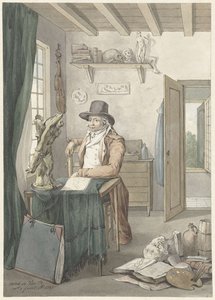
jacob smies
1764 - 1833 , Netherlands
Quick Facts
- Artistic Movement Or Style: Neoclassicism
- Artists Who Influenced This Artist: ['Jacob Smies (printmaker)']
- Date Of Birth: June 11, 1764
- Date Of Death: August 14, 1833
- Full Name: Jacob Smies
- Nationality: Dutch
- Notable Artworks: ['The Latin School']
- Place Of Birth: Amsterdam, Netherlands

