 Preview
 Send
Send Share
Share
 Details

 Download
 Similars
 X-Ray
X-Ray Diaporama
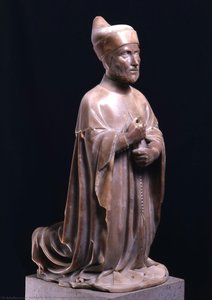
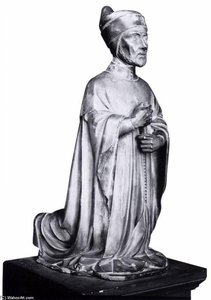
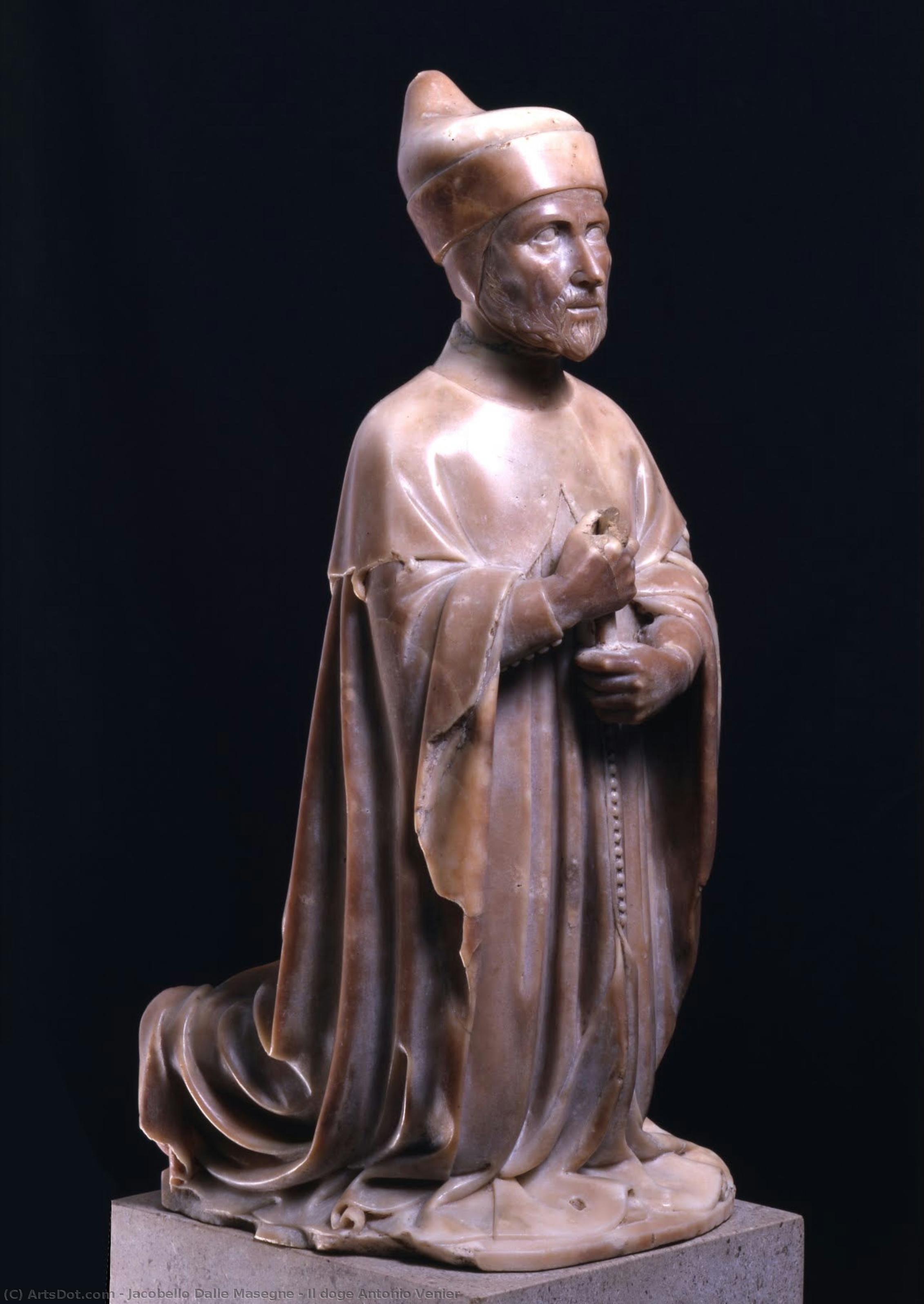
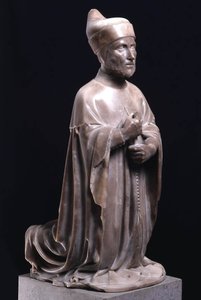
Il doge Antonio Venier

 Read More
Giclée / Art Print
Museum-quality giclée or canvas print with fast production and flexible finish options. ( Buy Hand Made Painting Buy Image)




































Pick from our preset sizes that match the artwork's original proportions.

You may enter your own dimensions to fit a specific frame or space. If your selected size does not match the original image's proportions, we will either crop the artwork or extend the image with a mirrored or solid-fill edge. A digital mockup will be sent for your approval before production begins.
Please note that the on-screen preview does not reflect the actual cropping or extension. Only the mockup will accurately show the final composition.
While custom sizes are available, we recommend selecting a dimension from the predefined list to preserve the original proportions.
Worldwide Delivery () in 2 weeks instead of standard 4/5 weeks. (21 August)

Free Worldwide Express Shipping

High-Quality Linen Canvas

Full Shipping Insurance

Customs Tax Refund Guarantee

True Color Matching Guarantee

60-Day Return Policy (Defects Only)

100% Money-Back Guarantee

Bulk Discount Offer
 Glass option is only available in size under 110 CM

Il doge Antonio Venier
Giclée / Art Print
Reproduction Size
-


Total Price
$ 63
Related Artworks
Artist Biography
Jacobello dalle Masegne: Echoes of the Veneto Gothic
The name Jacobello dalle Masegne, a figure largely obscured by the shadows of his more celebrated brother Pierpaolo, nevertheless represents a crucial bridge between the late Gothic and early Renaissance artistic currents that defined Venice in the 15th century. Born around 1350 in the heart of the Serenissima, Jacobello’s life was inextricably linked to the city's burgeoning wealth, its complex political landscape, and its fervent devotion to religious art. While much remains shrouded in conjecture – biographical details are scarce, often pieced together from commissions and collaborations – his artistic legacy speaks volumes, revealing a sculptor deeply influenced by both Byzantine traditions and the nascent naturalism of the Italian Renaissance.
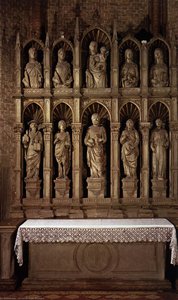
Early influences undoubtedly stemmed from Venice’s unique position as a crossroads of cultures. The city had long been exposed to the grandeur of the East through trade and diplomacy, absorbing elements of Byzantine art – particularly in its emphasis on rich color, stylized figures, and intricate ornamentation. This is evident in his early works, notably the magnificent altar he contributed to the Santa Maria Gloriosa dei Frari, a masterpiece that showcases a masterful blend of Gothic exuberance and Eastern elegance. The altarpiece’s vibrant mosaics, shimmering gold leaf, and dramatic narrative scenes are testament to Jacobello's ability to synthesize these disparate influences into a cohesive and emotionally resonant whole.
The Tomb of Margherita Malatesta: A Masterpiece of Mourning
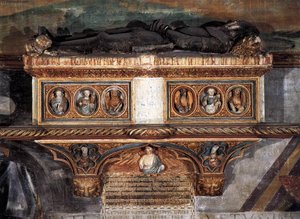
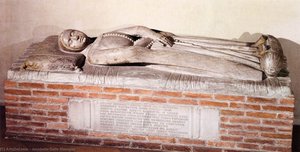
Perhaps the most enduring testament to Jacobello’s skill is the sarcophagus he created for Margherita Malatesta, the second wife of Francesco I Gonzaga, Duke of Mantua. Completed in 1401, this monumental sculpture stands as a poignant example of Venetian Gothic artistry and a deeply personal expression of grief. The tomb itself is a complex architectural structure, adorned with intricate carvings depicting scenes from the life of Christ and the Virgin Mary – motifs reflecting Margherita’s piety and the Gonzaga family's devotion.
However, it is the central figure—Margherita herself—that truly captivates. Jacobello masterfully captures her likeness, imbuing the marble with a sense of serene dignity and quiet sorrow. Her pose, slightly reclined and adorned with delicate jewelry, conveys both vulnerability and strength. The drapery, rendered with remarkable precision and attention to detail, flows around her form, creating a dynamic interplay of light and shadow. The sculpture’s emotional power lies not only in its technical brilliance but also in its ability to evoke empathy for the deceased – a hallmark of Venetian funerary art.
Collaborations and Independent Ventures
While often working alongside his brother Pierpaolo, particularly during their time in Mantua, evidence suggests that Jacobello engaged in independent commissions as well. The façade of Mantua Cathedral, undertaken around 1395, stands as a prime example of this dual activity. The brothers’ combined efforts resulted in a monumental structure that showcased the innovative architectural techniques of the period – incorporating elements of Gothic and Renaissance design.
Furthermore, Jacobello's involvement in projects like the iconostasis of St Mark’s Basilica demonstrates his versatility as an artist. He contributed to this complex religious ensemble, showcasing his ability to adapt his style to different contexts and meet the diverse demands of Venetian patrons. These collaborations highlight a dynamic artistic environment where family partnerships were commonplace, fostering innovation and allowing artists to hone their skills through shared experiences.
Legacy and Historical Significance
Jacobello dalle Masegne’s contribution to Venetian art is often overshadowed by his more famous brother, but his work deserves recognition as a vital link in the evolution of the city's artistic identity. His sculptures embody the complex interplay between Gothic tradition and Renaissance innovation, reflecting Venice’s unique position at the crossroads of Europe. His mastery of carving, particularly evident in the Tomb of Margherita Malatesta, reveals a profound understanding of human emotion and a remarkable ability to translate religious narratives into tangible form.
Beyond his individual achievements, Jacobello's legacy lies in his role as a key figure within a thriving artistic family – the dalle Masegne brothers. Their collaborative efforts shaped the visual landscape of Mantua and Venice, leaving an indelible mark on the city’s architectural and sculptural heritage. As scholars continue to uncover new insights into their lives and works, Jacobello dalle Masegne's place in Venetian art history will undoubtedly grow more secure.
jacobello dalle masegne
1350 - 1409 , Italy
Quick Facts
- Artistic Movement Or Style: Gothic
- Artists Or Movements Influenced By This Artist: ['None known']
- Artists Who Influenced This Artist: ['Pierpaolo dalle Masegne']
- Date Of Birth: 1350, Venice
- Date Of Death: 1409
- Full Name: Jacobello dalle Masegne
- Nationality: Italian
- Notable Artworks:
- Doge Venier
- Margherita Malatesta
- Place Of Birth: Venice, Italy