 Preview
 Send
Send Share
Share
 Details

 Download
 Similars
 X-Ray
X-Ray Diaporama
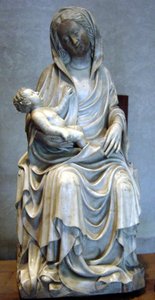
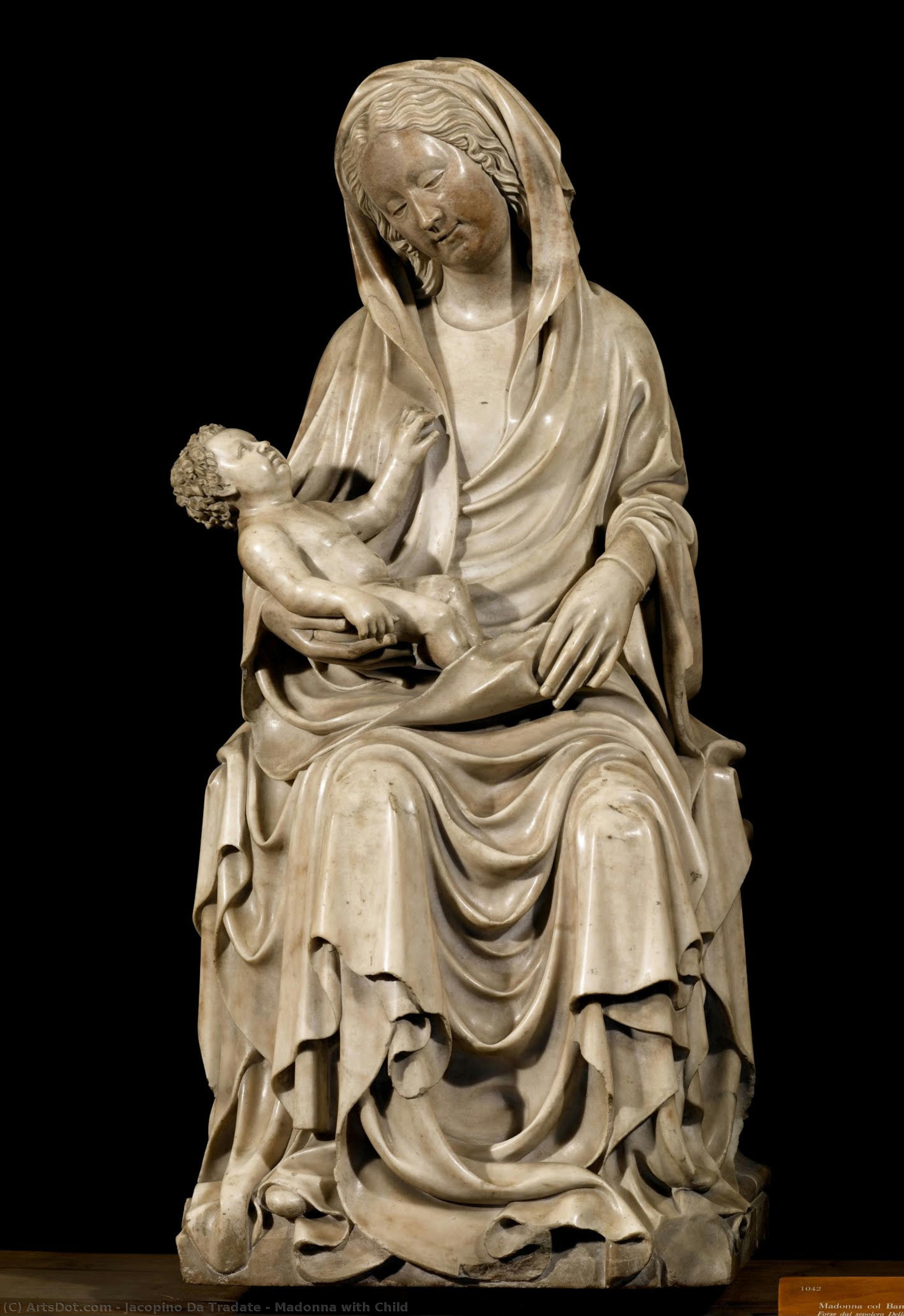
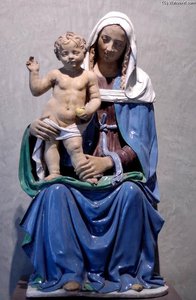
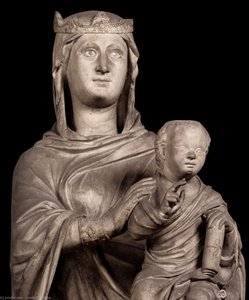
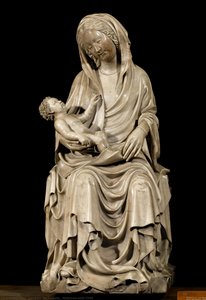
Madonna with Child


 Read More
Hand Made Oil Reproduction
Hand-painted oil on canvas in your size and frame, made to order by our artists. ( Buy Print Buy Image)




































Pick from our preset sizes that match the artwork's original proportions.

You may enter your own dimensions to fit a specific frame or space. If your selected size does not match the original image's proportions, we will either crop the artwork or extend the painting with additional hand-painted elements. A digital mockup will be sent for your approval before production begins.
Please note that the on-screen preview does not reflect the actual cropping or extension. Only the mockup will accurately show the final composition.
While custom sizes are available, we recommend selecting a dimension from the predefined list to preserve the original proportions.
After order, ArtsDot.com team will email client for instructions and provide a mockup preview
Worldwide Delivery () in 3/4 weeks instead of standard 5 weeks. (17 August). No compromise on quality.

Free Worldwide Express Shipping

High-Quality Linen Canvas

Full Shipping Insurance

Customs Tax Refund Guarantee

True Color Matching Guarantee

60-Day Return Policy (Defects Only)

100% Money-Back Guarantee

Bulk Discount Offer
 Glass option is only available in size under 110 CM

Madonna with Child
Reproduction Medium
Reproduction Size
-


Total Price
$ 263
Artwork Description
Related Artworks
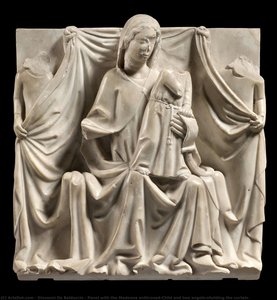
Artist Biography
The Quiet Devotion of Jacopino da Tradate
Jacopino da Tradate, born around 1371 and passing in 1445, remains a somewhat enigmatic figure within the vibrant tapestry of early Renaissance Italian painting. While not as widely celebrated as his contemporaries like Masaccio or Fra Angelico, Jacopino carved out a significant niche for himself, particularly in the Lombardy region, with a body of work characterized by its sincere piety and refined, if understated, elegance. His paintings, primarily devotional *Madonna and Child* compositions and portraits – notably those of Pope Martin V – offer a fascinating glimpse into the artistic sensibilities of the Late Gothic period as it transitioned towards the burgeoning Renaissance ideals. Little documentation survives detailing his life beyond the works themselves; he appears to have been a man deeply immersed in his craft, serving primarily ecclesiastical patrons and the papal court. This relative obscurity contributes to the allure surrounding his art – each piece feels like a personal testament of faith rather than a grand statement of artistic ambition.Early Influences and Artistic Formation
Jacopino’s formative years were steeped in the traditions of International Gothic painting, an aesthetic that prioritized graceful lines, rich colors, and elaborate ornamentation. The influence of artists such as Gentile da Fabriano is readily apparent in his early works; a shared emphasis on luxurious fabrics, delicate facial features, and a refined sense of spatial arrangement can be observed. However, Jacopino wasn’t merely a follower of prevailing styles. He subtly infused these Gothic elements with a growing naturalism, evident in the more individualized portrayals of his subjects and a nascent understanding of perspective – though not to the revolutionary degree seen in Florentine painting of the same period. His geographical location played a crucial role; Lombardy, while receptive to new artistic currents from Florence, retained a distinct character rooted in its own medieval traditions. This blend of influences shaped Jacopino’s unique visual language, one that balanced decorative beauty with an increasing desire for realism and emotional resonance.The Madonna and Child: A Recurring Theme
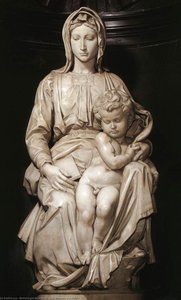
Jacopino da Tradate is best known for his numerous depictions of the *Madonna and Child*. These paintings are not simply representations of a religious subject; they are intimate expressions of maternal love, spiritual devotion, and human tenderness. He consistently portrays the Virgin Mary as a regal yet approachable figure, often seated on an elaborate throne adorned with symbolic details – lilies representing purity, or roses signifying divine love. The Christ Child is rarely depicted as a robust infant but rather as a small, delicate being, gazing directly at the viewer with an almost unsettling wisdom. Jacopino’s mastery lies in his ability to convey a sense of quiet contemplation within these scenes. He achieves this through subtle gestures, soft lighting, and a harmonious color palette dominated by blues, golds, and reds. The backgrounds are often rendered as shimmering gold fields, creating a timeless, ethereal atmosphere that draws the viewer into the sacred space. These works were intended to inspire personal piety and serve as focal points for prayer.Papal Commissions and Portraiture
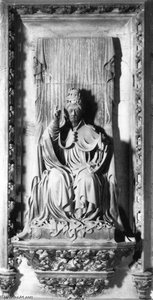
Jacopino’s talent extended beyond devotional painting; he also received important commissions from Pope Martin V, who resided in Lombardy during much of his pontificate. The portraits of the Pope attributed to Jacopino are particularly significant as they provide valuable insights into the appearance and personality of this influential figure. These portraits, while adhering to the conventions of Renaissance portraiture – a three-quarter view, formal attire, and a dignified pose – also reveal Jacopino’s characteristic sensitivity to individual character. The Pope is depicted not merely as a symbol of authority but as a thoughtful and introspective man. The attention to detail in rendering the textures of his robes and the intricate details of his papal insignia demonstrates Jacopino's technical skill, while the subtle modeling of his face suggests a degree of psychological depth.Legacy and Historical Significance
While Jacopino da Tradate may not be a household name, his contribution to Italian Renaissance art is undeniable. He represents a crucial link between the Late Gothic tradition and the emerging artistic innovations of the early Renaissance. His paintings offer a compelling example of how artists could synthesize different stylistic influences to create works that were both aesthetically beautiful and deeply meaningful.- His influence can be seen in the work of later Lombard painters who continued to explore themes of devotional piety.
- Jacopino’s portraits provide valuable historical documentation of the papal court during a period of significant political and religious change.
- The enduring appeal of his *Madonna and Child* paintings lies in their ability to evoke a sense of quiet contemplation and spiritual connection.
jacopino da tradate
1371 - 1445
Quick Facts
- Artistic Movement Or Style: Late Gothic
- Artists Or Movements Influenced By This Artist: ['Andrea Mantegna']
- Artists Who Influenced This Artist:
- Simone Martini
- Lorenzo Ghiberti
- Date Of Death: 1445
- Full Name: Jacopino da Tradate
- Nationality: Italian
- Notable Artworks:
- Madonna with Child
- Pope Martin V
- Place Of Birth: Milan