

 Preview
 Send
Send Share
Share
 Details

 Download
 Similars
 X-Ray
X-Ray Diaporama
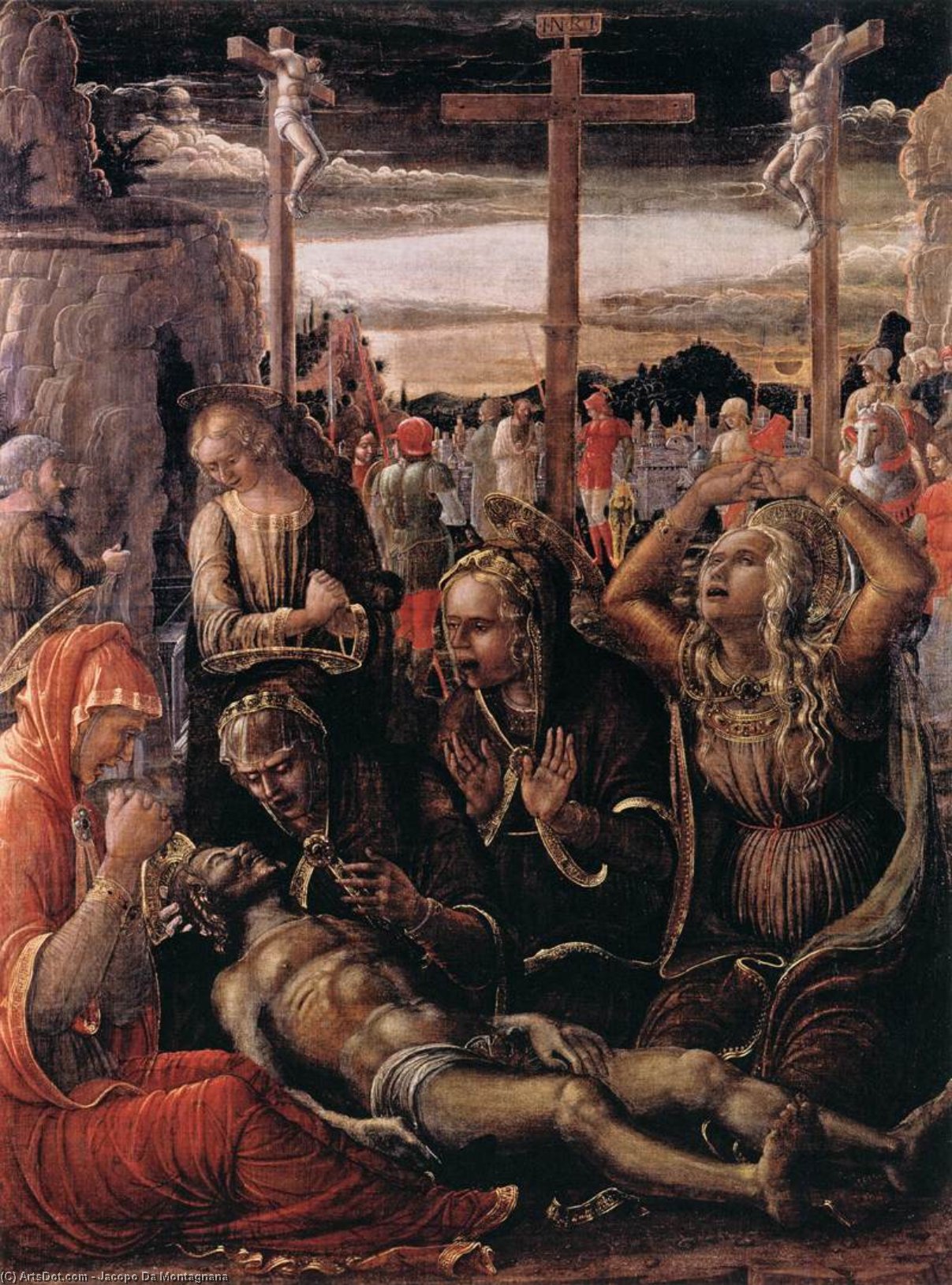
Lamentation of Christ
 1480
1480 148.0 x 110.0 cm
 Niedersächsisches Landesmuseum
 Read More
Purchase a high-resolution, enhanced digital image, far superior to the online preview.
Each file is meticulously prepared by our in-house specialists using advanced tools and expert manual retouching. We ensure every image has exceptional clarity, precise color accuracy, and fine detail.
The final file is delivered via email within 72 hours, optimized for immediate use in professional, editorial, and print environments. This is the same quality trusted by top-tier design studios, publishers, and galleries.
Digital Image
Download a high-resolution file for personal display, printing, and creative projects. ( Buy Print Buy Hand Made Painting)
Included in Every Digital Image Order
Expert Digital Delivery, Guaranteed
When you choose ArtsDot.com, you're not just getting an image - you're receiving a professionally enhanced digital artwork, crafted with precision and backed by a satisfaction guarantee. Here's everything that comes with your order, automatically:

Fast Email Delivery
Your high-resolution digital image file will be emailed to you within 72 hours of ordering - ready for immediate use.

AI-Enhanced Digital File
Your artwork is professionally optimized using advanced AI tools and manual editing, ensuring maximum detail, clarity, and color accuracy.

Free Lifetime Re-Delivery
Accidentally deleted or lost your file? No worries - we'll resend it to you anytime, free of charge.

No Import Fees - Ever
Enjoy your artwork instantly with zero customs, duties, or delivery fees - digital downloads are always tax-free.

Color Accuracy Guarantee
We ensure your digital image reflects the original colors as closely as possible using professional tools and color management.

60-Day Satisfaction Guarantee
If you're not satisfied with your digital image, we'll revise it or refund 100% within 60 days - no questions asked.

100% Money-Back Guarantee
Not satisfied? Get a full refund within 60 days of receiving your digital file - no questions asked.

Bulk Order Discounts
Buy 3 images, save 10% - Buy 5, save 15% - Buy 10+, save 20%. Great for creative projects, galleries, and agencies.
Related Artworks
Artist Biography
Early Life and Paduan Beginnings
Jacopo da Montagnana, born around 1440 in the small town of Montagnana, Italy, emerged during a period of vibrant artistic ferment in the early Renaissance. While details surrounding his earliest training remain somewhat elusive, it is believed he initially studied under the Bolognese artist Francesco Brazalieri in Padua between 1458 and 1461. However, the most profound influence on his developing style came from two giants of Venetian painting: Andrea Mantegna and Gentile Bellini. Though a formal apprenticeship with either master remains undocumented, Jacopo demonstrably absorbed their techniques and compositional approaches, forging a unique path that would establish him as a leading figure in the Paduan *Quattrocento*. He became a member of the painters’ guild of Padua in 1469, signifying his professional standing within the artistic community. His life was inextricably linked to this city; he was born nearby and spent most of his career working there, dying in Padua between April and August of 1499.The Embrace of Mantegna and Bellini
Jacopo da Montagnana’s art is a fascinating synthesis of influences, most notably those of Andrea Mantegna and Gentile Bellini. From Mantegna, he inherited a keen interest in classical antiquity, evident in his precise draftsmanship, sculptural figures, and dramatic perspective. The impact of Mantegna's altarpiece for San Zeno in Verona – painted in Padua during the 1450s – is particularly palpable in Jacopo’s early works. He adopted Mantegna’s rigorous approach to form and space, imbuing his compositions with a sense of monumentality and gravitas. Simultaneously, he drew inspiration from Gentile Bellini's lyrical style, characterized by its elegant figures, rich color palettes, and narrative clarity. This fusion of influences resulted in a distinctive aesthetic that blended classical rigor with Venetian grace. The influence of Giovanni Bellini is also noted, though the exact nature of their relationship remains unclear.Frescoes and Religious Themes
The majority of Jacopo da Montagnana’s surviving oeuvre consists of frescoes, primarily located in Padua, Belluno, and Monteorte. These works are overwhelmingly religious in subject matter, reflecting the devotional climate of the late 15th century. He was deeply involved in the fresco decoration of the Capella Santa Maria degli Angeli within the Palazzo Vescovile of Padua, a project undertaken in 1495 alongside Prospero da Piazzola. This commission represents one of his most significant achievements, showcasing his mastery of narrative storytelling and his ability to create emotionally resonant scenes. His frescoes often depict episodes from the life of Christ or the Virgin Mary, rendered with meticulous detail and a profound sense of piety. Beyond fresco work, Jacopo also designed papal vestments for Pope Sixtus IV in 1472, demonstrating a versatility that extended beyond painting.A Major Quattrocento Painter
Jacopo da Montagnana’s position as a “major *Quattrocento* painter” rests on his ability to synthesize diverse artistic traditions into a cohesive and compelling style. He wasn't merely an imitator of Mantegna or Bellini, but rather an artist who skillfully adapted their innovations to suit his own creative vision. His compositions are characterized by a balanced interplay between form and color, a sense of spatial depth, and a nuanced understanding of human emotion. Works like “The Archangel Gabriel and the Virgin Annunciate” and “Lamentation of Christ” exemplify his technical prowess and artistic sensitivity. The figures in these paintings possess a quiet dignity and emotional weight that resonates with viewers even today.Historical Significance and Legacy
While Jacopo da Montagnana may not be as widely recognized as some of his more famous contemporaries, his contribution to the development of Renaissance art is significant. He played a crucial role in bridging the gap between the early and high Renaissance styles in Padua, fostering a vibrant artistic environment that nurtured subsequent generations of painters. His work reflects the evolving religious sensibilities of the period, offering insights into the devotional practices and beliefs of 15th-century Italy. Though documentation about his life is limited, the enduring beauty and spiritual depth of his frescoes ensure his place as an important figure in the history of Venetian painting. He worked alongside contemporaries like Pietro Calzetta and Francesco Bazelieri, contributing to a rich artistic tapestry within Padua during this period.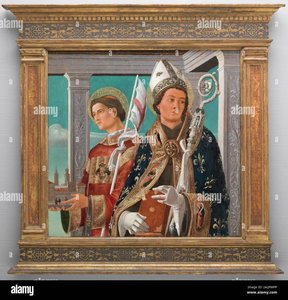
jacopo da montagnana
1440 - 1499 , Italy
Quick Facts
- Artistic Movement Or Style: Early Renaissance
- Artists Who Influenced This Artist:
- Andrea Mantegna
- Gentile Bellini
- Date Of Birth: c. 1440
- Date Of Death: 1499
- Full Name: Jacopo da Montagnana
- Nationality: Italian
- Notable Artworks:
- Capella Santa Maria degli Angeli frescoes
- Lamentation of Christ
- The Archangel Gabriel and the Virgin Annunciate
- Place Of Birth: Montagnana, Italy

