 Preview
 Send
Send Share
Share
 Details

 Download
 Similars
 X-Ray
X-Ray Diaporama
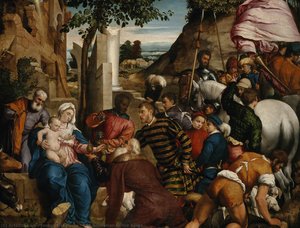
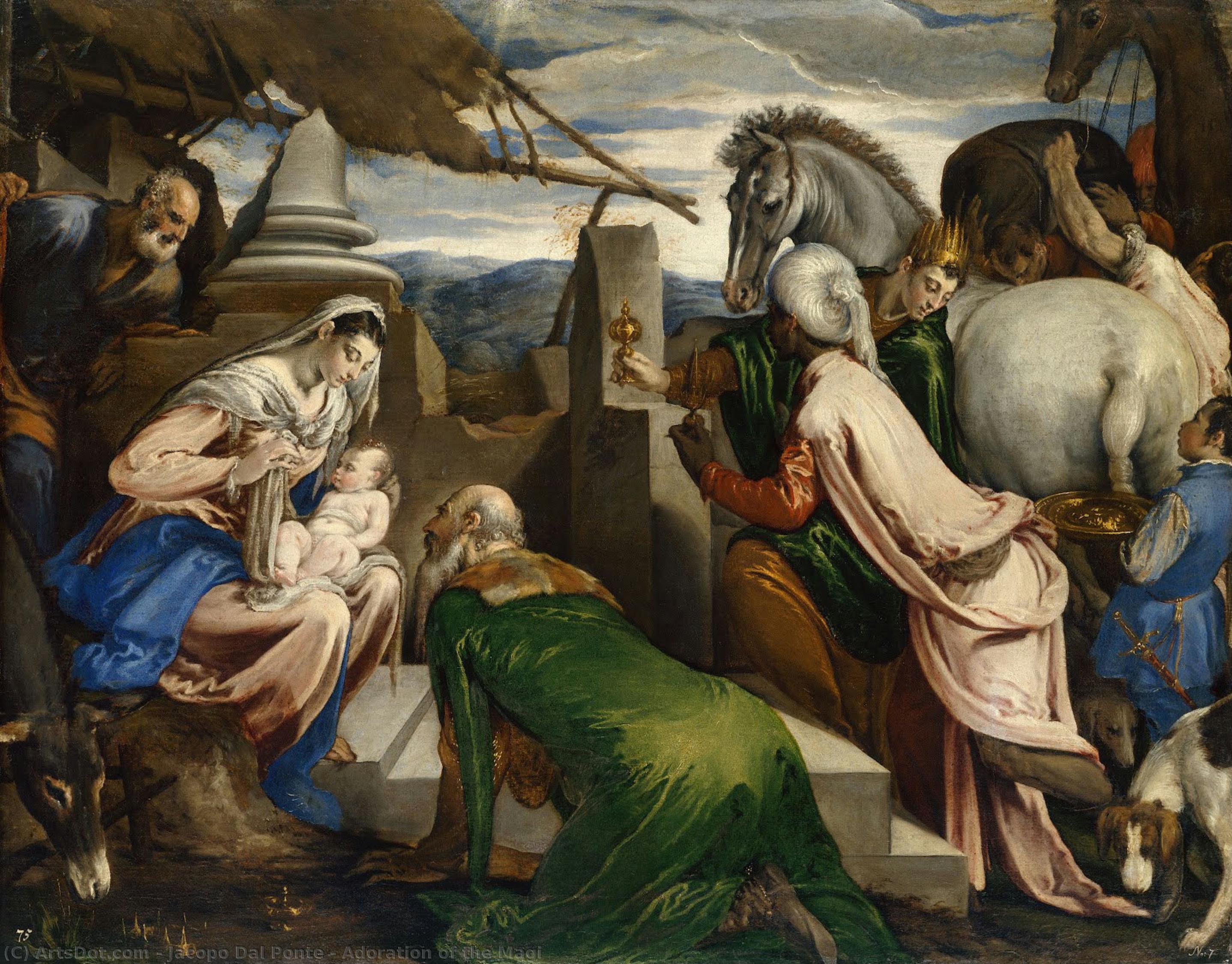
Adoration of the Magi
 Oil On Canvas
- WallArt
- Baroque Renaissance
 1564
1564 175.0 x 923.0 cm
 Kunsthistorisches Museum
 Read More
Hand Made Oil Reproduction
Hand-painted oil on canvas in your size and frame, made to order by our artists. ( Buy Print Buy Image)




P118B $10

P118H $10

P118W $10

P438Z $10

P508JH $12

P508YH $12

P805H $10

P805Z $10

P919BZ $10

P919G $10

P919XJ $10

P959ZH $10

P968JZ $12

W106C $8

W218G $10

W218JH $8

W218Y $10

W307PJ $10

W316G $10

W316PJ $8

W316Y $10

W398PJ $8

W4111J $10

W500HY $15

W500JH $15

W692G $12

W849H $8

W940BG $15

W953PJ $8




Pick from our preset sizes that match the artwork's original proportions.

You may enter your own dimensions to fit a specific frame or space. If your selected size does not match the original image's proportions, we will either crop the artwork or extend the painting with additional hand-painted elements. A digital mockup will be sent for your approval before production begins.
Please note that the on-screen preview does not reflect the actual cropping or extension. Only the mockup will accurately show the final composition.
While custom sizes are available, we recommend selecting a dimension from the predefined list to preserve the original proportions.
After order, ArtsDot.com team will email client for instructions and provide a mockup preview
Worldwide Delivery () in 3/4 weeks instead of standard 5 weeks. (17 August). No compromise on quality.

Free Worldwide Express Shipping

High-Quality Linen Canvas

Full Shipping Insurance

Customs Tax Refund Guarantee

True Color Matching Guarantee

60-Day Return Policy (Defects Only)

100% Money-Back Guarantee

Bulk Discount Offer
 Glass option is only available in size under 110 CM

Adoration of the Magi
Reproduction Medium
Reproduction Size
-


Total Price
$ 263
Artwork Description
The Adoration of the Magi: A Renaissance Tableau of Faith and Mystery
Jacopo Bassano’s “Adoration of the Magi,” painted in 1564, isn't merely a religious scene; it’s a profound meditation on faith, humility, and the interplay between earthly grandeur and divine grace. This captivating work, housed within the walls of the Museo del Prado in Madrid, offers a glimpse into the burgeoning artistic landscape of Renaissance Venice – a city where light, color, and human emotion converged to create an unparalleled visual experience. The painting immediately draws the eye with its dynamic composition, a carefully orchestrated dance of figures bathed in a rich, atmospheric glow. Bassano masterfully employs chiaroscuro, the dramatic contrast between light and shadow, not just for aesthetic effect but to heighten the sense of drama and reverence surrounding the central event: the arrival of the three wise men bearing gifts for the newborn Christ.
The scene unfolds within a meticulously rendered architectural setting – a partially ruined Roman temple, hinting at the continuity of history and the triumph of Christianity over paganism. This deliberate juxtaposition is not simply decorative; it speaks to the core theological theme of the work: the replacement of ancient idolatry with the worship of the true God. The figures themselves are imbued with a remarkable sense of realism and psychological depth. Bassano, a pioneer in Venetian genre painting, captures not just their physical appearance but also their emotional responses – the awe, the reverence, the quiet contemplation that permeates the entire scene. Note particularly the elongated limbs and subtly distorted proportions characteristic of Bassano’s style, a deliberate departure from the rigid anatomical accuracy favored by his Florentine contemporaries. This stylistic choice contributes to an overall feeling of heightened emotion and movement.
A Symphony of Color and Light
Bassano's mastery of color is immediately apparent. He utilizes a palette dominated by warm earth tones – ochres, siennas, and umbers – creating a sense of groundedness and stability. However, these muted hues are punctuated by vibrant splashes of crimson, gold, and azure, particularly in the robes of the Magi and the celestial backdrop. The use of translucent glazes—a hallmark of Venetian painting—allows light to penetrate the layers of paint, producing an ethereal luminosity that seems to emanate from within the canvas itself. This technique not only enhances the visual richness of the scene but also creates a sense of depth and atmosphere, drawing the viewer into the heart of the narrative.
The lighting is particularly noteworthy. Bassano employs a subtle yet effective use of light sources – primarily emanating from the upper left corner – to sculpt the forms of the figures and create a dramatic interplay of light and shadow. This chiaroscuro technique not only adds depth and realism but also serves to emphasize the spiritual significance of the event, casting a divine glow upon the scene.
Symbolism Woven into the Narrative
Beyond its immediate depiction of the biblical story, “Adoration of the Magi” is rich in symbolic meaning. The three wise men, representing the East, are not simply offering gifts; they embody the universality of faith and the promise of salvation for all nations. The presence of a dog at the feet of the Virgin Mary symbolizes loyalty and faithfulness—qualities highly valued within Christian tradition. The ruined Roman temple serves as a potent reminder of the decline of paganism and the rise of Christianity, while the palm tree in the background represents victory over death and eternal life. Even the architectural details – the arches, columns, and vaulted ceilings – are laden with symbolic significance, reflecting the artist’s deep understanding of classical art and architecture.
A Legacy of Venetian Innovation
“Adoration of the Magi” stands as a pivotal work in Jacopo Bassano's oeuvre and a testament to the artistic innovations taking place in Venice during the 16th century. His blending of traditional religious iconography with elements of genre painting—depicting everyday life and human emotions—marked a significant departure from the more formal and idealized styles prevalent in other Italian cities. The painting’s atmospheric perspective, its masterful use of light and shadow, and its profound psychological depth continue to captivate viewers centuries after its creation. Reproductions of this masterpiece offer a remarkable opportunity to experience the beauty and spiritual power of Venetian Renaissance art, bringing a touch of timeless elegance to any space.
Related Artworks
Artist Biography
The Shadowed Canvas: Exploring the Life and Art of Jean-Baptiste Mongeau
Jean-Baptiste Mongeau, a name perhaps less familiar than his contemporaries, nevertheless stands as a pivotal figure in the late 18th and early 19th French art world. Born in Lyon in 1765, Mongeau’s life was inextricably linked to the tumultuous era of the French Revolution and its immediate aftermath – an experience that profoundly shaped both his artistic vision and his subject matter. While he lacked the formal training afforded to many artists of his time, a self-taught master, Mongeau developed a distinctive style characterized by dramatic chiaroscuro, meticulous detail, and a haunting exploration of human emotion amidst societal upheaval. His work offers a poignant reflection on the psychological impact of political change and the enduring search for beauty in a world increasingly defined by chaos.Early Life and Influences – A Lyoner’s Perspective
Mongeau's upbringing in Lyon, a vibrant center of commerce and industry during the Revolution, instilled within him a keen awareness of social disparity and political unrest. The city’s bustling markets, its skilled artisans, and its growing population of refugees created a rich tapestry of human experience – an environment that would later permeate his art. Unlike many artists who sought patronage in Paris, Mongeau remained rooted in Lyon, finding inspiration not only in the city's physical landscape but also in the stories of its people. Early influences included the Neoclassical ideals championed by Jacques-Louis David, though Mongeau quickly diverged from the rigid formality of his predecessor, injecting a raw emotionality and a darker palette into his compositions. The works of Rembrandt, particularly his masterful use of light and shadow, also exerted a significant influence on Mongeau’s technique, contributing to the dramatic intensity that would become a hallmark of his style.The Revolutionary Years – Painting the Unseen
Mongeau's artistic output during the Revolution was largely undocumented, reflecting the precarious circumstances under which many artists operated at the time. However, surviving sketches and a small number of finished paintings—primarily portraits and scenes depicting the plight of ordinary citizens—offer invaluable insights into his perspective. He eschewed grand historical narratives, instead focusing on intimate moments of suffering, resilience, and quiet dignity. His subjects were often marginalized figures – laborers, widows, and children – rendered with an unflinching honesty that challenged the idealized representations prevalent in official art. A particularly striking work, “The Baker’s Lament,” depicts a weary man staring into a loaf of bread, symbolizing not just hunger but also the loss of security and hope during a time of widespread famine. These paintings weren't intended for public display; they were often commissioned privately by sympathetic individuals or circulated discreetly among a small circle of supporters.A Shift Towards Symbolism – The Post-Revolutionary Period
Following the Thermidorian Reaction and the rise of Napoleon, Mongeau’s artistic focus subtly shifted. While he continued to depict scenes of human suffering, his work began to incorporate elements of symbolism and allegory, reflecting a growing disillusionment with political power and a yearning for spiritual solace. He explored themes of mortality, redemption, and the enduring strength of the human spirit. His palette darkened further, utilizing somber blues, greens, and browns alongside flashes of vibrant crimson – colors that evoked both pain and hope. His paintings during this period often featured recurring motifs—broken columns, withered flowers, and solitary figures—representing the ruins of a shattered society and the arduous path towards renewal.Legacy and Historical Significance
Jean-Baptiste Mongeau’s artistic legacy is one of quiet intensity and profound emotional resonance. Despite his relative obscurity during his lifetime, his work has been increasingly recognized for its unique contribution to French art in the late 18th and early 19th centuries. He stands as a testament to the power of art to bear witness to historical events and to explore the complexities of the human condition. His unflinching portrayal of social injustice and his masterful manipulation of light and shadow continue to captivate viewers today, reminding us of the enduring relevance of his artistic vision. Mongeau’s work is now housed primarily in private collections, but reproductions offer a window into the soul of a man who sought to capture the shadows and illuminate the truths of his time.
jacopo dal ponte
1592 , Italy
Related Articles
Leonardo da Vinci's Masterpieces: Explore 25 Iconic Artworks for Your Home | ArtsDot
Journey through Leonardo da Vinci's genius with our curated selection of 25 iconic artworks. Explore the stories behind Mona Lisa, The Last Supper & more Renaissance masterpieces. Find museum-quality art reproductions for your home at ArtsDot.com.

Leonardo da Vinci: A Renaissance Master’s Synthesis of Art, Science & Human Observation – Reinterpreted for the Collector
Explore Leonardo da Vinci’s timeless masterpieces with ArtsDot. Discover insights into his art, science, and legacy – trusted expertise for discerning collectors seeking authentic reproductions & investment opportunities.
Renaissance Humanism's Greatest Art: 10 Masterpieces for Your Home
Explore 10 Renaissance Humanism masterpieces by Leonardo da Vinci, Michelangelo & Raphael. Discover the stories behind these iconic paintings & sculptures and bring timeless art into your home with museum-quality reproductions from ArtsDot.com. Explore the full collection online!
Uffizi's 25 Masterpieces: Renaissance Art & Timeless Decor Inspiration
Journey through the Uffizi Gallery's 25 most iconic Renaissance artworks! Explore Botticelli, Leonardo da Vinci & Michelangelo’s masterpieces. Find museum-quality art reproductions and curated decor ideas to bring timeless Italian beauty into your home. Discover all masterpieces on ArtsDot.com

Louvre Masterpieces: Explore the Top 25 Artworks for Your Home | ArtsDot
Journey through the Louvre's 25 most iconic artworks! Explore masterpieces by Leonardo da Vinci, Michelangelo & Delacroix. Discover art history, techniques & find museum-quality reproductions for your home at ArtsDot.com.