

 Preview
 Send
Send Share
Share
 Details

 Download
 Similars
 X-Ray
X-Ray Diaporama
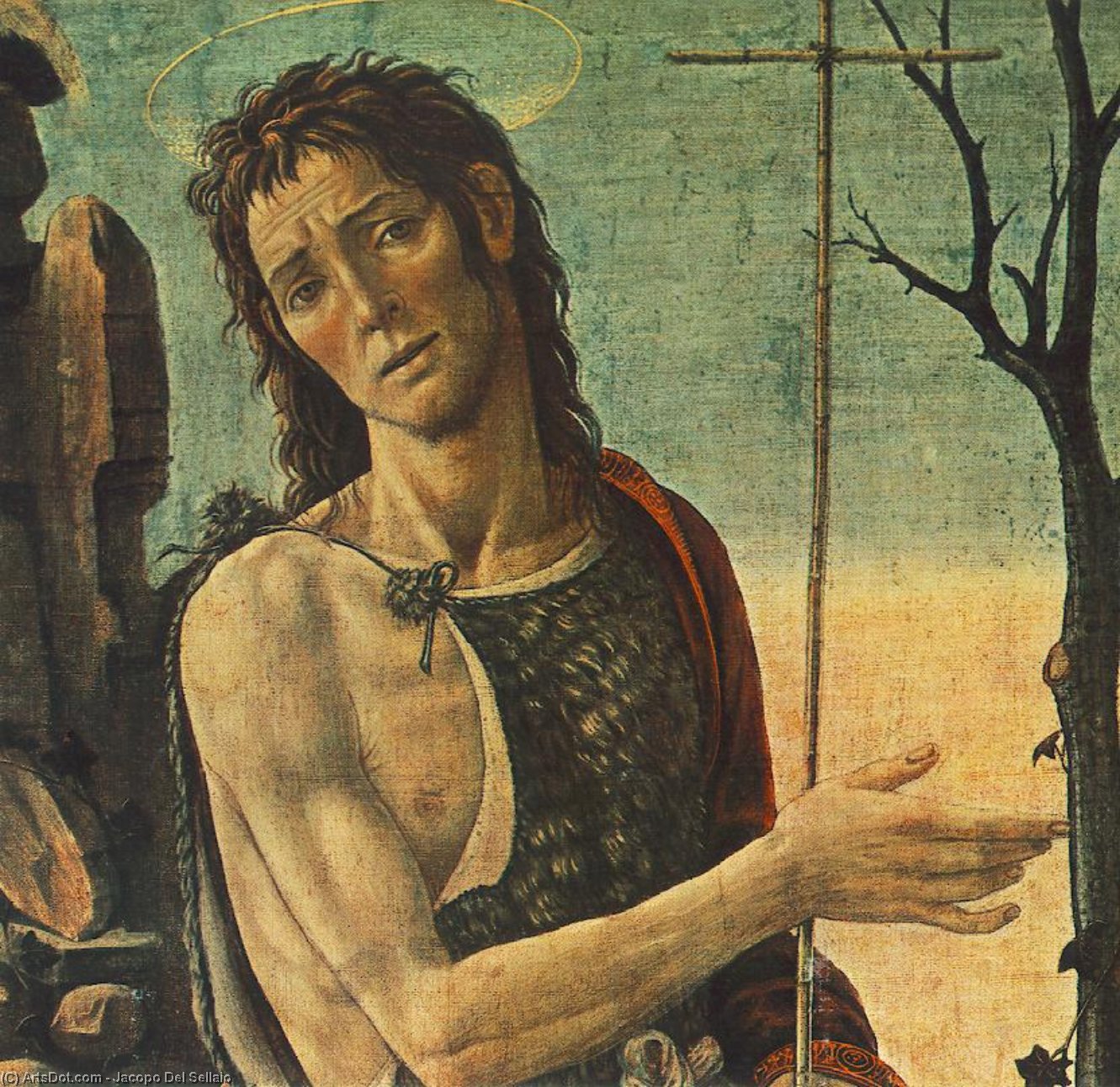
St John the Baptist (detail)
 Acrylic On Canvas
- WallArt
- Renaissance Art
 157.0 x 79.0 cm
 Szépmûvészeti Múzeum
 Read More
Purchase a high-resolution, enhanced digital image, far superior to the online preview.
Each file is meticulously prepared by our in-house specialists using advanced tools and expert manual retouching. We ensure every image has exceptional clarity, precise color accuracy, and fine detail.
The final file is delivered via email within 72 hours, optimized for immediate use in professional, editorial, and print environments. This is the same quality trusted by top-tier design studios, publishers, and galleries.
Digital Image
Download a high-resolution file for personal display, printing, and creative projects. ( Buy Print Buy Hand Made Painting)
Included in Every Digital Image Order
Expert Digital Delivery, Guaranteed
When you choose ArtsDot.com, you're not just getting an image - you're receiving a professionally enhanced digital artwork, crafted with precision and backed by a satisfaction guarantee. Here's everything that comes with your order, automatically:

Fast Email Delivery
Your high-resolution digital image file will be emailed to you within 72 hours of ordering - ready for immediate use.

AI-Enhanced Digital File
Your artwork is professionally optimized using advanced AI tools and manual editing, ensuring maximum detail, clarity, and color accuracy.

Free Lifetime Re-Delivery
Accidentally deleted or lost your file? No worries - we'll resend it to you anytime, free of charge.

No Import Fees - Ever
Enjoy your artwork instantly with zero customs, duties, or delivery fees - digital downloads are always tax-free.

Color Accuracy Guarantee
We ensure your digital image reflects the original colors as closely as possible using professional tools and color management.

60-Day Satisfaction Guarantee
If you're not satisfied with your digital image, we'll revise it or refund 100% within 60 days - no questions asked.

100% Money-Back Guarantee
Not satisfied? Get a full refund within 60 days of receiving your digital file - no questions asked.

Bulk Order Discounts
Buy 3 images, save 10% - Buy 5, save 15% - Buy 10+, save 20%. Great for creative projects, galleries, and agencies.
Collectible Description
A Florentine Artisan of Grace: Exploring Jacopo del Sellaio’s St John the Baptist (Detail)
The painting “St John the Baptist” by Jacopo del Sellaio stands as a testament to the humanist spirit that defined Renaissance Florence – a celebration of human form and contemplation amidst a landscape rendered with subtle yet profound symbolic resonance. Completed sometime around 1480, this exquisite detail from a larger composition housed in Budapest’s Szépmûvészeti Múzeum offers an unparalleled glimpse into the artistic sensibilities of one of Italy's most influential painters.The Artist and His Context
Jacopo del Sellaio (c. 1442 – 1493) emerged from Florence’s artisan guilds, a tradition that fostered both technical mastery and intellectual curiosity. He wasn’t merely replicating visual appearances; he was actively engaged in the humanist movement championed by figures like Lorenzo Medici, striving to depict human subjects with dignity and psychological depth—a radical departure from medieval artistic conventions. Del Sellaio's workshop flourished during a period of immense cultural dynamism, mirroring the burgeoning interest in classical ideals and fostering collaborations that propelled Florentine art forward. His association with Filippo di Giuliano exemplifies this spirit of shared ambition and intellectual exchange, shaping his artistic vision and ensuring the dissemination of innovative techniques.Technique and Materiality: Tempera on Panel
Del Sellaio’s masterful handling of tempera paint—a medium known for its luminosity and permanence—is immediately apparent in this arresting detail. Unlike oil paints, which require extended drying times and layering processes, tempera dries quickly upon application, allowing for precise blending and achieving remarkable tonal gradations. The artist meticulously applied pigment to a wooden panel, utilizing thin glazes to build up color and texture with painstaking accuracy. This technique—characteristic of Florentine painting during the period—captures the essence of Renaissance artistry: an unwavering commitment to observation and skillful execution. The absence of visible brushstrokes contributes to the painting’s serene atmosphere, emphasizing the smooth surface and enhancing the visual impact of the subject matter.Composition and Symbolism – A Portrait Steeped in Contemplation
The composition itself is deceptively simple yet powerfully evocative. St John the Baptist—a figure revered for his prophetic role and ascetic devotion—faces slightly off-camera, engaging the viewer with an expression of profound introspection. His gaze directs our attention outwards, suggesting a yearning for spiritual understanding – a core theme within humanist philosophy. The stark tree devoid of leaves serves as a poignant visual metaphor for barrenness and mortality, juxtaposed against the saint’s serene countenance. This deliberate contrast underscores the painting's meditation on themes of faith, repentance, and divine grace—concepts central to Renaissance spirituality.Emotional Resonance: Luminosity and Tranquility
Beyond its technical brilliance and symbolic richness, “St John the Baptist” possesses an undeniable emotional resonance. The luminous quality of the tempera paint imbues the scene with a palpable sense of tranquility, inviting contemplation and fostering admiration for the artist’s ability to convey profound psychological states. Viewing this detail transports us back to Florence's golden age—a time when art served not merely as decoration but as a vehicle for intellectual and spiritual exploration. It remains an enduring masterpiece, demonstrating the transformative power of humanist ideals embodied in visual form.Where to Acquire Authentic Reproductions
For those seeking to experience the beauty and artistry of Jacopo del Sellaio’s “St John the Baptist” firsthand, ArtsDot.com offers exceptional reproductions crafted with meticulous attention to detail. Explore a curated selection of high-quality prints and canvases—a splendid way to honor this iconic work of Renaissance art within your own home or studio.Related Artworks
![Stanze Vaticane - La Disputa (detail) [06] — Raphael, Renaissance](/media/artworks/images-thumb/0b/dc/0bdc484f3786a2e280f3ae8757dd1e18.jpg)
Artist Biography
A Florentine Artisan of Grace: The World of Jacopo del Sellaio
Jacopo del Sellaio, a name perhaps less immediately recognized than those of his celebrated contemporaries like Botticelli or Ghirlandaio, nevertheless occupies a vital and enchanting niche within the vibrant tapestry of 15th-century Florentine art. Born in Florence around 1442, Jacopo emerged during a period of extraordinary artistic ferment, a time when the Renaissance was blossoming into full flower. While details surrounding his earliest training remain somewhat elusive, it is known that he entered the world of painting and by 1473 had established a collaborative studio with Filippo di Giuliano – a partnership suggesting a shared dedication to craft and a reciprocal exchange of artistic knowledge. This early association speaks volumes about Jacopo’s ambition and willingness to learn within the dynamic environment of Florentine workshops, where skills were honed through practice and observation. His father was a saddlemaker—hence the nickname “Sellaio,” meaning ‘saddle maker’—a trade that perhaps instilled in him an appreciation for meticulous detail and refined craftsmanship, qualities that would become hallmarks of his artistic style.Cassoni and Devotional Panels: A Synthesis of Skill
Jacopo del Sellaio's artistic output was remarkably diverse, yet he is particularly renowned for his exquisitely decorated *cassoni*, or wedding chests. These weren’t merely functional objects; they were potent symbols of status, family heritage, and the hopes invested in a new union. His most celebrated example, “The Story of Cupid and Psyche,” commissioned for a 15th-century Florentine marriage, is a testament to his narrative skill and delicate artistry. The panels unfold the ancient Roman tale with grace and sensitivity, showcasing Jacopo’s ability to imbue mythological subjects with emotional resonance. Beyond these grand commissions, he also excelled in creating smaller devotional panels featuring saints like Saint Jerome and Saint John the Baptist, works that catered to the growing demand for personal piety among private patrons. These intimate pieces reveal a refined sensibility and an attention to detail that elevates them beyond simple religious iconography. The “Nerli Cassone,” created in collaboration with Zanobi di Domenico and Biagio d'Antonio in 1472, further demonstrates his collaborative spirit and ability to seamlessly integrate his artistic vision within a team effort. His panel "The Banquet of Ahasuerus," part of a larger series, reveals a mastery of complex compositions and narrative storytelling.Echoes of Masters: Influences and Artistic Development
To understand Jacopo del Sellaio’s art is to recognize the subtle yet profound influences that shaped his style. The lyrical grace and elegant figure drawing characteristic of Sandro Botticelli are clearly discernible in many of his compositions, particularly those depicting mythological scenes. He absorbed Botticelli's ability to create figures imbued with a sense of ethereal beauty and emotional depth. Simultaneously, Jacopo drew inspiration from Domenico Ghirlandaio’s realistic portrayals of figures and meticulous attention to detail—a grounding influence that prevented his work from becoming overly stylized or mannered. This synthesis of influences allowed him to develop a distinctive voice, blending traditional techniques with the emerging artistic trends of the Renaissance. He wasn't simply imitating; he was absorbing, adapting, and ultimately transforming these influences into something uniquely his own.A Legacy Within the Florentine Renaissance
Jacopo del Sellaio’s historical significance lies not in achieving superstar status but in representing a crucial segment of the artistic landscape of 15th-century Florence. He embodies the generation of skilled artisans who skillfully balanced tradition with innovation, contributing to the rich and multifaceted character of Florentine art. His work provides invaluable insight into the decorative arts—the *cassoni* being prime examples—and the private devotional practices that flourished during this period. While he may not have garnered the same level of fame as some of his more celebrated peers, his contributions to both cassone painting and religious art are undeniably noteworthy. He passed away in Florence in 1493, leaving behind a legacy of beautifully crafted artworks that continue to captivate and inspire those who encounter them today. His son, Arcangelo di Jacopo del Sellaio, continued the family tradition as a painter, further cementing their place within the artistic heritage of Florence.
Jacopo del Sellaio
1442 - 1493 , Italy
Quick Facts
- Artistic Movement Or Style: Early Renaissance
- Artists Who Influenced This Artist:
- Botticelli
- Ghirlandaio
- Filippino Lippi
- Date Of Birth: 1442
- Date Of Death: 1493
- Full Name: Jacopo del Sellaio
- Nationality: Italian
- Notable Artworks:
- Story of Cupid & Psyche
- The Nerli Cassone
- Banquet of Ahasuerus
- Saint Jerome
- Saint John the Baptist
- Place Of Birth: Florence, Italy

