 Preview
 Send
Send Share
Share
 Details

 Download
 Similars
 X-Ray
X-Ray Diaporama
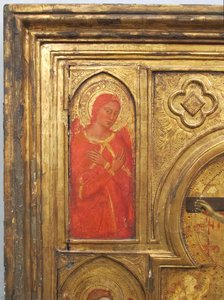
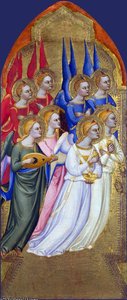
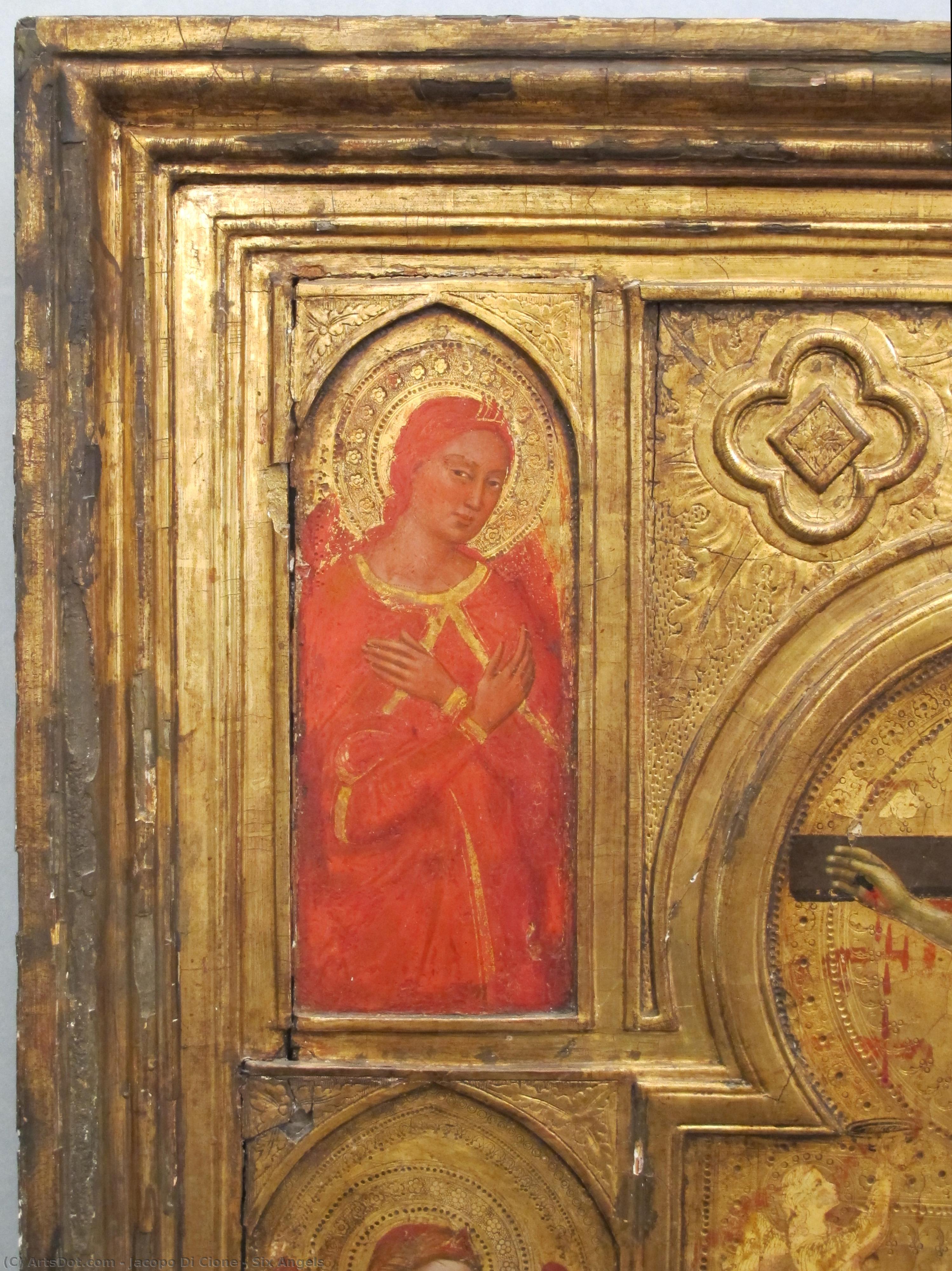
Six Angels
 Acrylic On Canvas
- WallArt
- Florentine Gothic
 1365
1365 25.0 x 10.0 cm
 Metropolitan Museum of Art
 Read More
Hand Made Oil Reproduction
Hand-painted oil on canvas in your size and frame, made to order by our artists. ( Buy Print Buy Image)




P118B $10

P118H $10

P118W $10

P438Z $10

P508JH $12

P508YH $12

P805H $10

P805Z $10

P919BZ $10

P919G $10

P919XJ $10

P959ZH $10

P968JZ $12

W106C $8

W218G $10

W218JH $8

W218Y $10

W307PJ $10

W316G $10

W316PJ $8

W316Y $10

W398PJ $8

W4111J $10

W500HY $15

W500JH $15

W692G $12

W849H $8

W940BG $15

W953PJ $8




Pick from our preset sizes that match the artwork's original proportions.

You may enter your own dimensions to fit a specific frame or space. If your selected size does not match the original image's proportions, we will either crop the artwork or extend the painting with additional hand-painted elements. A digital mockup will be sent for your approval before production begins.
Please note that the on-screen preview does not reflect the actual cropping or extension. Only the mockup will accurately show the final composition.
While custom sizes are available, we recommend selecting a dimension from the predefined list to preserve the original proportions.
After order, ArtsDot.com team will email client for instructions and provide a mockup preview
Worldwide Delivery () in 3/4 weeks instead of standard 5 weeks. (17 August). No compromise on quality.

Free Worldwide Express Shipping

High-Quality Linen Canvas

Full Shipping Insurance

Customs Tax Refund Guarantee

True Color Matching Guarantee

60-Day Return Policy (Defects Only)

100% Money-Back Guarantee

Bulk Discount Offer
 Glass option is only available in size under 110 CM

Six Angels
Reproduction Medium
Reproduction Size
-


Total Price
$ 263
Artwork Description
A Fragment of Paradise: Unveiling Jacopo di Cione’s Six Angels
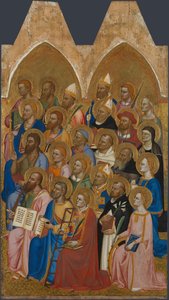
The series of six angels, a captivating ensemble from the Florentine master Jacopo di Cione (c. 1325 – c. 1399), offers a glimpse into the vibrant artistic landscape of late medieval Italy. More than mere decorative elements, these figures—mounted within the frame of a panel depicting the Crucifixion—represent a poignant intersection of religious devotion and architectural ambition. Originally conceived as pilasters adorning an altarpiece for Santa Maria degli Angeli in Florence, their current arrangement, a carefully considered reconfiguration by a 19th-century collector, speaks to the enduring power of artistic adaptation and the layered history embedded within each brushstroke.
Dating back to approximately 1365, the painting’s genesis lies within the ambitious project of transforming the chapel dedicated to Ognissanti. This chapel, funded by Ser Francesco di Ser Berto degli Albizzi, was intended as a testament to piety and artistic patronage—a space designed to inspire awe and reverence. The altarpiece itself, a complex composition featuring the Crucifixion at its heart, served as the focal point of this endeavor. The angels, initially conceived as integral components of the altarpiece’s structure, were thus inextricably linked to the narrative of sacrifice and redemption.
A Symphony of Tempera on Wood
Jacopo di Cione's masterful technique is immediately apparent in the delicate execution of these angelic figures. Painted in tempera on wood, a medium favored for its luminosity and ability to achieve rich, vibrant colors, the angels possess an ethereal quality. The use of gold leaf—evident in the panel’s frame—further enhances this sense of otherworldly beauty, elevating the scene beyond the earthly realm. The artist's meticulous attention to detail is particularly striking in the rendering of their drapery, which flows with a graceful fluidity, suggesting both movement and serenity.
Notably, the composition draws upon the stylistic conventions of Florentine Gothic art, characterized by its elegance, naturalism, and expressive emotionality. Jacopo’s work reflects the influence of his family—Andrea di Cione (Orcagna), Nardo, and Matteo di Cione—all renowned for their collaborative efforts and shared aesthetic sensibilities. The brothers' legacy is evident in the harmonious balance between form and content, a hallmark of Florentine Gothic art.
Symbolism and Spiritual Resonance
Each angel within the series embodies specific attributes associated with divine messengers. Their gestures—clasped hands, uplifted arms—evoke a sense of prayerful devotion and communication with the heavens. The crowns adorning their heads signify their elevated status as celestial beings, while their serene expressions convey an aura of peace and wisdom. The grouping itself suggests a chorus of angels attending to the suffering Christ, offering solace and support in his earthly ordeal.
Furthermore, the placement of the angels within the frame of the Crucifixion panel underscores the central theme of redemption. They serve as witnesses to the sacrifice of Christ, reminding viewers of the promise of salvation offered through faith. The entire composition becomes a meditation on themes of grace, mercy, and divine love—a powerful testament to the enduring power of religious art.
A Legacy in Reproduction
Today, these Six Angels exist not only as original works of art but also as meticulously crafted reproductions, offering an accessible pathway to experience Jacopo di Cione’s genius. ArtsDot.com proudly presents high-quality hand-painted reproductions that faithfully capture the essence and beauty of this remarkable series. Whether adorning a private residence or gracing a public space, these reproductions serve as a timeless reminder of the enduring legacy of Florentine Gothic art—a celebration of faith, artistry, and the profound mysteries of the human spirit.
Related Artworks
Artist Biography
Jacopo di Cione: A Florentine Gothic Pioneer
Jacopo di Cione (c. 1325 – c. 1399) stands as a cornerstone of Florentine Gothic art, embodying the spirit of innovation and collaboration that characterized the burgeoning Renaissance era. Born in Florence sometime between 1320 and 1330, he emerged from a family deeply rooted in artistic tradition—his three elder brothers, Andrea di Cione (Orcagna), Nardo di Cione, and Matteo di Cione—were themselves accomplished painters, establishing a lineage of creative excellence. This familial connection profoundly shaped Jacopo’s artistic trajectory, fostering an environment where experimentation and collaborative endeavors thrived.- Early Life & Family Legacy: The Di Cione brothers were renowned for their meticulous craftsmanship and stylistic unity, reflecting the prevailing aesthetic sensibilities of their time. Their father, Giovanni di Cione, was a sculptor who instilled in his sons a passion for artistic pursuits, ensuring that Florentine art would continue to flourish through generations.
- Guild Membership & Artistic Development: Jacopo’s involvement with the Arte dei Medici e Speziali in 1369 marked a pivotal moment in his career, solidifying his position within Florence's artistic community and providing access to influential patrons. This affiliation fostered connections with fellow artists like Niccolò di Pietro Gerini, fueling stylistic dialogues and furthering artistic advancements.
Notable Commissions & Collaborative Projects
Jacopo’s reputation soared during his lifetime thanks to a string of prestigious commissions that showcased his versatility and technical prowess. Perhaps most famously, he undertook the monumental task of decorating the Guildhall of the Judges and Notaries in Florence (1366–68), producing an altarpiece featuring a breathtaking depiction of Christ's crucifixion—a work now housed in the National Gallery, London. This ambitious undertaking cemented his place among Florence’s leading artists. Following Andrea di Cione’s untimely death in 1368, Jacopo skillfully assumed responsibility for several of his brother’s unfinished projects, notably guaranteeing to complete a painting of the Virgin Mary and overseeing the execution of St Matthew's altarpiece for Orsanmichele.- Collaboration with Niccolò di Pietro Gerini: His partnership with Niccolò di Pietro Gerini yielded remarkable results, exemplified by their collaborative effort on the polyptych for San Pier Maggiore (1370–71), where Jacopo’s contribution focused on narrating key scenes from Saint Peter's life.
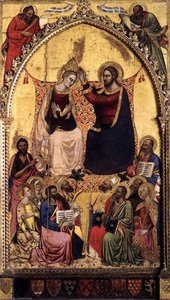
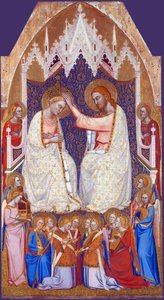
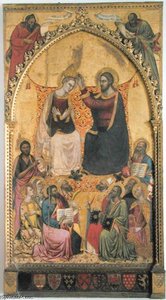
- The Coronation of the Virgin Panel: The monumental panel commissioned by the Florentine Mint in 1372–73 represents another testament to Jacopo’s artistic vision and collaborative spirit—Gerini designed the overall composition, while Jacopo meticulously rendered the intricate details of the coronation itself.
Florence Cathedral & Artistic Patronage
Jacopo's dedication extended beyond commissions; he actively participated in shaping Florence’s cultural landscape through his involvement with the cathedral workshop and his role as consul of the Arte dei Medici e Speziali (1384, 1387, 1392). His commitment to procuring marble for the cathedral underscored his understanding of artistic grandeur and civic responsibility. Furthermore, he continued to secure patronage from influential families like the Albizzi, ensuring that Florentine art would endure as a symbol of prestige and cultural achievement.Legacy & Historical Significance
Jacopo di Cione’s influence resonated throughout the Gothic period and beyond, establishing him as one of Florence's foremost painters. His masterful technique—characterized by meticulous detail, vibrant color palettes, and skillful use of gold leaf—served as an inspiration for subsequent generations of artists. The dispersed predella depicting scenes from Saint Peter’s life – a collaborative effort with Niccolò di Pietro Gerini – remains a poignant reminder of Jacopo's artistic legacy and the enduring power of Florentine Gothic art. His work continues to captivate audiences today, securing his place as an unforgettable figure in the annals of Italian Renaissance history.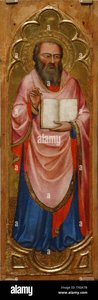
Jacopo di Cione
1325 - 1399 , Italy
Quick Facts
- Artistic Movement Or Style: Gothic
- Artists Or Movements Influenced By This Artist: ['Venetian Renaissance']
- Artists Who Influenced This Artist:
- Andrea di Cione (Orcagna)
- Niccolò di Pietro Gerini
- Date Of Birth: Florence, Italy (c. 1325)
- Date Of Death: Florence, Italy (c. 1399)
- Full Name: Jacopo di Cione
- Nationality: Italian
- Notable Artworks:
- The Crucifixion
- Coronation Of The Virgin
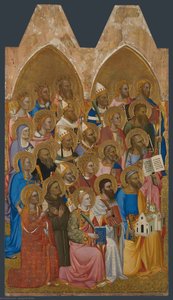
- Seraphim, Cherubim and Adoring Angels
- Place Of Birth: Florence
Related Articles

Jacopo Tintoretto's Masterpieces: 25 Paintings That Define Venetian Drama | ArtsDot
Explore 25 breathtaking masterpieces by Jacopo Tintoretto, the Venetian master of drama and light. Discover the stories behind iconic Renaissance paintings & find museum-quality art reproductions to elevate your home decor on ArtsDot.com.

Giotto's Masterpieces: 25 Renaissance Artworks for Your Home | ArtsDot
Explore 25 breathtaking artworks by Giotto di Bondone, a Renaissance master. Discover the stories behind iconic frescoes & paintings like the Scrovegni Chapel cycle. Find museum-quality Giotto reproductions and elevate your home decor with ArtsDot.com.
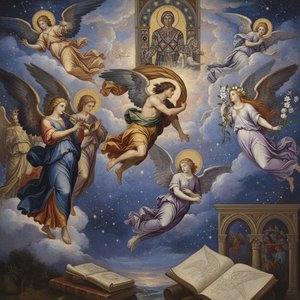
Celestial Messengers: Angels in Painting – A Historical & Artistic Exploration
Explore the captivating history of angels in painting! Discover symbolism, iconic Renaissance & Byzantine masterpieces, and renowned artists. Expert insights for art lovers & collectors at ArtsDot.
Celestial Messengers: A Comprehensive Exploration of Angelic Representation in Art History
Explore the captivating history of angels in art! Discover symbolism, iconic Renaissance masterpieces & renowned artists. Expert insights for art lovers & collectors at ArtsDot.
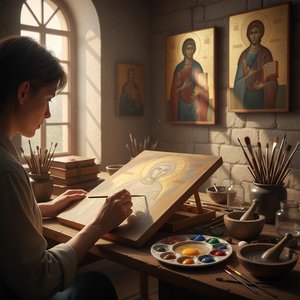
Illuminating Surfaces: A Comprehensive Exploration of Tempera on Panel Painting Techniques & Historical Significance
Explore the rich history & techniques of tempera painting! Discover Renaissance masters like Botticelli & Fra Angelico, conservation insights, and the enduring legacy of this captivating art form. Learn more now!