

 Preview
 Send
Send Share
Share
 Details

 Download
 Similars
 X-Ray
X-Ray Diaporama
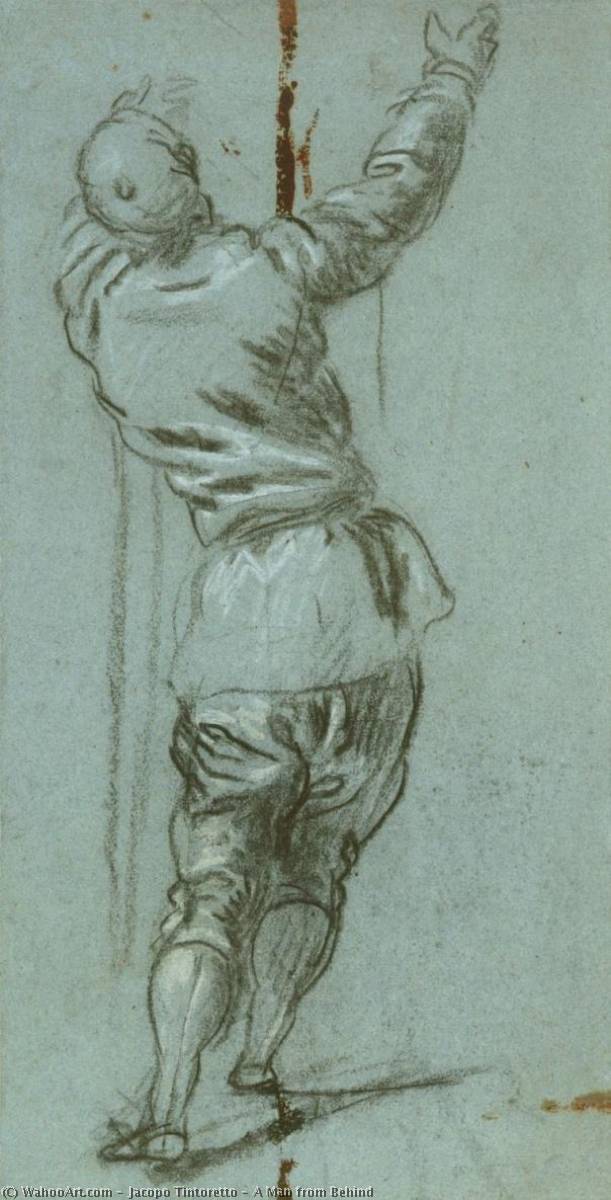
A Man from Behind


 Read More
Purchase a high-resolution, enhanced digital image, far superior to the online preview.
Each file is meticulously prepared by our in-house specialists using advanced tools and expert manual retouching. We ensure every image has exceptional clarity, precise color accuracy, and fine detail.
The final file is delivered via email within 72 hours, optimized for immediate use in professional, editorial, and print environments. This is the same quality trusted by top-tier design studios, publishers, and galleries.
Digital Image
Download a high-resolution file for personal display, printing, and creative projects. ( Buy Print Buy Hand Made Painting)
Included in Every Digital Image Order
Expert Digital Delivery, Guaranteed
When you choose ArtsDot.com, you're not just getting an image - you're receiving a professionally enhanced digital artwork, crafted with precision and backed by a satisfaction guarantee. Here's everything that comes with your order, automatically:

Fast Email Delivery
Your high-resolution digital image file will be emailed to you within 72 hours of ordering - ready for immediate use.

AI-Enhanced Digital File
Your artwork is professionally optimized using advanced AI tools and manual editing, ensuring maximum detail, clarity, and color accuracy.

Free Lifetime Re-Delivery
Accidentally deleted or lost your file? No worries - we'll resend it to you anytime, free of charge.

No Import Fees - Ever
Enjoy your artwork instantly with zero customs, duties, or delivery fees - digital downloads are always tax-free.

Color Accuracy Guarantee
We ensure your digital image reflects the original colors as closely as possible using professional tools and color management.

60-Day Satisfaction Guarantee
If you're not satisfied with your digital image, we'll revise it or refund 100% within 60 days - no questions asked.

100% Money-Back Guarantee
Not satisfied? Get a full refund within 60 days of receiving your digital file - no questions asked.

Bulk Order Discounts
Buy 3 images, save 10% - Buy 5, save 15% - Buy 10+, save 20%. Great for creative projects, galleries, and agencies.
Collectible Description
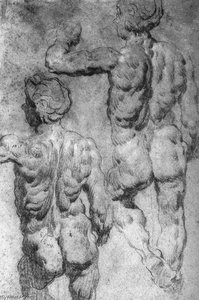
A Glimpse into Venetian Renaissance Intimacy: Jacopo Tintoretto's "A Man from Behind"
This striking black and white drawing, “A Man from Behind,” offers a rare and intimate glimpse into the world of 16th-century Venice through the masterful hand of Jacopo Tintoretto. Dated 1555 and part of the esteemed Royal Collection Trust, this work transcends a simple portrait; it's a study in gesture, form, and the subtle power of suggestion.
Style & Technique: The Foundations of Venetian Drama
Tintoretto (1518-1594), a pivotal figure in the Venetian School, was renowned for his dramatic compositions and innovative use of light and perspective – characteristics that define this drawing. While primarily known for his large-scale paintings, Tintoretto’s drawings reveal the meticulous planning and artistic exploration behind his monumental works. This piece exemplifies his characteristic dynamism; the man's raised hands, poised as if reaching or reacting to something unseen, create a palpable sense of movement and anticipation. The use of charcoal or pen and ink (the exact medium isn't definitively documented) allows for expressive linework that captures both the formality of his attire – the crisp lines defining his suit and tie – and the underlying tension in his posture.
Historical Context & Possible Interpretations
Created during the High Renaissance, a period marked by artistic flourishing and intellectual exploration, “A Man from Behind” reflects the era’s fascination with humanism and psychological depth. The subject's attire suggests a man of some standing – perhaps a merchant, nobleman, or even an artist himself. The fact that he is depicted from behind adds to the mystery; we are denied his face, forcing us to focus on his actions and posture. This compositional choice invites speculation: Is he reaching for assistance? Is he about to engage in a clandestine act? Or is it simply a study of human form and gesture?
Symbolism & Emotional Impact
The anonymity afforded by the subject’s obscured face allows viewers to project their own interpretations onto the scene. The raised hands, while seemingly simple, carry significant weight. They can be interpreted as gestures of supplication, defense, or even anticipation – creating a sense of vulnerability and intrigue. Tintoretto's masterful use of line and shadow creates a dramatic interplay of light and dark, enhancing the emotional intensity of the drawing. It evokes a feeling of quiet suspense, inviting contemplation on the unseen narrative unfolding just beyond our view.
A Timeless Study in Human Expression
“A Man from Behind” is more than just a sketch; it's a testament to Tintoretto’s artistic genius and his ability to capture the essence of human emotion through seemingly simple means. This reproduction offers an opportunity to bring a piece of Venetian Renaissance history into your home or office, sparking conversation and inspiring contemplation for years to come.
Related Artworks
Artist Biography
Jacopo Tintoretto: The Furious Master of Venetian Light
Jacopo Robusti, better known as Tintoretto (from the Italian word *tintore*, meaning dyer, a reference to his father’s profession), emerged in 16th-century Venice as one of the most innovative and influential figures of the Renaissance. Born around 1518, likely late September or early October, his life was a whirlwind of artistic creation, marked by both prodigious talent and a fiercely independent spirit that often clashed with established norms. Unlike many artists of his time who meticulously documented their training, Tintoretto’s early years remain shrouded in some mystery. Tradition holds he apprenticed briefly under Titian, though this is debated; what's undeniable is that he quickly forged his own path, absorbing the lessons of Venetian masters like Giorgione and Giovanni Bellini while simultaneously pushing beyond their conventions with a dynamism all his own. His nickname, *il Furioso* ("the Furious"), speaks to the intensity of his working style – a rapid, almost frenzied approach that produced an astonishing volume of work in a relatively short career, ending with his death on May 31, 1594.A Revolution in Composition and Light
Tintoretto’s genius lay not just in his technical skill but also in his revolutionary approach to composition and the use of light. He rejected the static, balanced arrangements favored by earlier Renaissance painters, opting instead for dramatic diagonals, dynamic movement, and a sense of theatricality that foreshadowed Baroque art. His figures are often caught in moments of intense action, their bodies contorted with emotion, their gestures expansive and expressive. But it was his mastery of light that truly set him apart. Unlike the soft, diffused lighting of Raphael or the carefully controlled chiaroscuro of Caravaggio, Tintoretto employed a bold, almost theatrical use of illumination. Beams of light would slash across canvases, highlighting key figures while plunging others into deep shadow, creating an atmosphere of heightened drama and spiritual intensity. This innovative approach is brilliantly exemplified in works like "The Miracle of Saint Mark," where the saint appears bathed in divine light amidst a swirling vortex of action, or his numerous depictions of “The Last Supper,” each exploring different perspectives and emotional nuances with remarkable freedom. He wasn't afraid to experiment with perspective, often employing dramatic foreshortening and unusual viewpoints to create a sense of immediacy and involvement for the viewer.Major Works and Patronage
Tintoretto’s career flourished under the patronage of Venice’s powerful institutions, particularly the Scuola Grande di San Marco and the Doge's Palace. The Scuola Grande commissions, especially the cycle of paintings depicting the life of Saint Mark, are considered among his greatest achievements, showcasing his ability to combine narrative clarity with breathtaking visual drama. These monumental canvases filled the walls of the *Scuola*, immersing viewers in scenes of miracles, processions, and moments of profound spiritual significance. His work for the Doge's Palace included vast historical paintings that celebrated Venetian power and military triumphs, demonstrating his versatility as an artist capable of tackling both religious and secular subjects with equal skill. Beyond these major commissions, Tintoretto produced countless altarpieces, portraits, and smaller works for private patrons, solidifying his reputation as the leading painter in Venice during a period of intense artistic competition. His son, Domenico Tintoretto, also became a painter, working alongside his father and continuing the family’s legacy after Jacopo's death.Influence and Legacy
Tintoretto’s impact on subsequent generations of artists was profound. He paved the way for the Baroque movement with his dramatic compositions, dynamic figures, and theatrical use of light. Artists like Rubens and Rembrandt were deeply influenced by his innovative approach to painting, adopting his techniques and adapting them to their own styles. His emphasis on emotional intensity and psychological realism also anticipated later developments in art history. While contemporaries sometimes criticized his rapid working style and unconventional methods, today Tintoretto is recognized as a pivotal figure in the transition from Renaissance to Baroque art—a visionary artist who transformed the landscape of Venetian painting and left an indelible mark on Western art history. His ability to infuse religious narratives with such palpable human emotion and dramatic visual power continues to captivate audiences centuries after his death, ensuring his place among the giants of artistic innovation.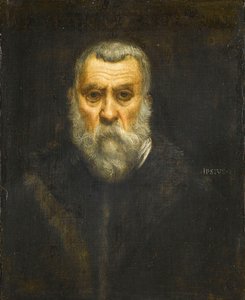
jacopo tintoretto
1518 - 1594
Quick Facts
- Artistic Movement Or Style: Venetian School, Mannerism
- Artists Who Influenced This Artist:
- Titian
- Michelangelo
- Date Of Birth: 1518
- Date Of Death: 1594
- Full Name: Jacopo Tintoretto
- Nationality: Italian
- Notable Artworks:
- Miracle of the Slave
- Last Supper
- Portrait of Procurator Soranzo

