

 Preview
 Send
Send Share
Share
 Details

 Download
 Similars
 X-Ray
X-Ray Diaporama
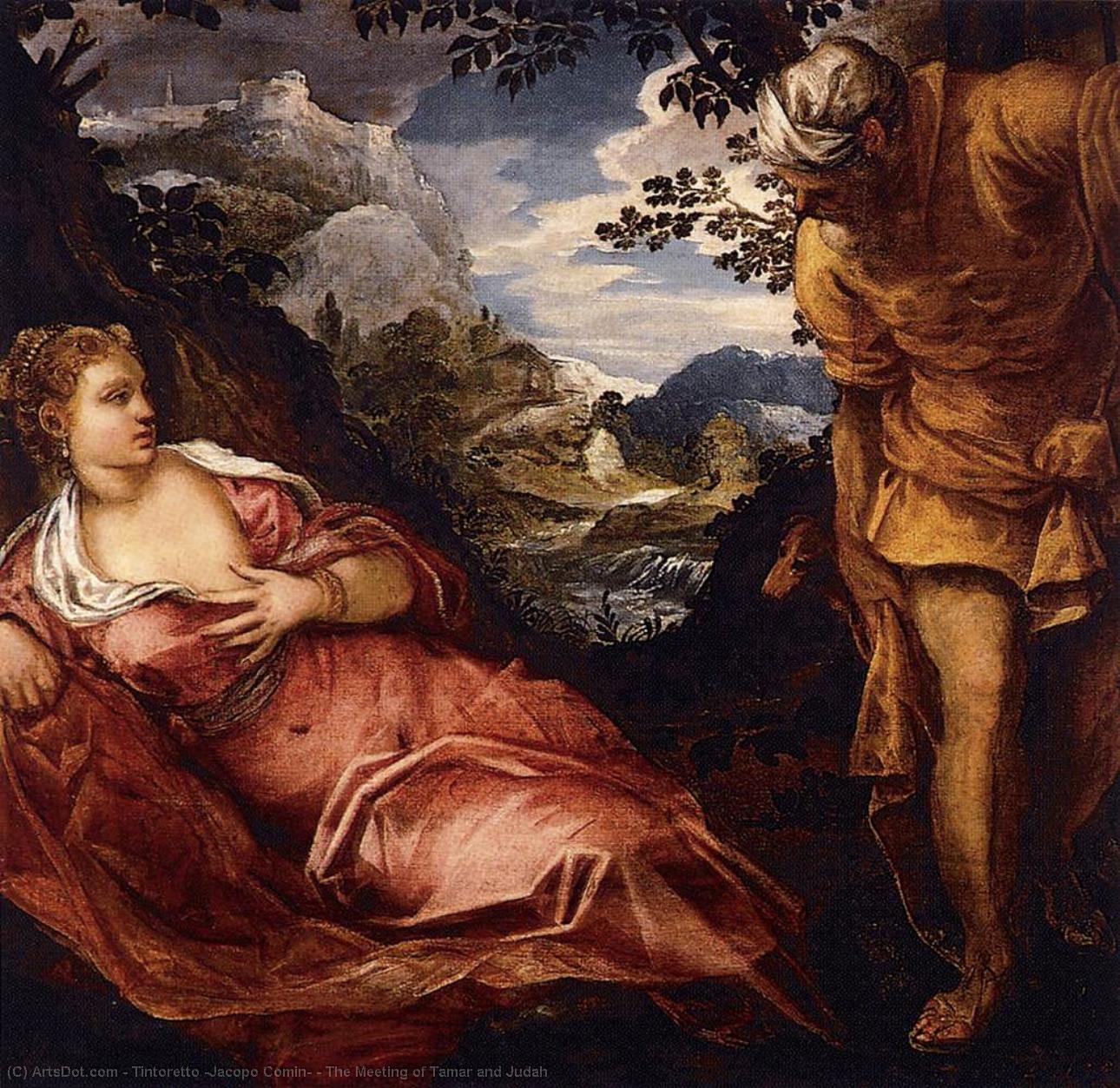
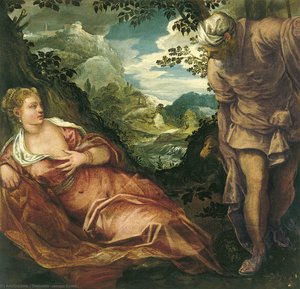
The Meeting of Tamar and Judah
 Oil On Canvas
- WallArt
- Baroque Drama
 1555
1555- Renaissance
 150.0 x 155.0 cm
 Museo Thyssen-Bornemisza
 Read More
Purchase a high-resolution, enhanced digital image, far superior to the online preview.
Each file is meticulously prepared by our in-house specialists using advanced tools and expert manual retouching. We ensure every image has exceptional clarity, precise color accuracy, and fine detail.
The final file is delivered via email within 72 hours, optimized for immediate use in professional, editorial, and print environments. This is the same quality trusted by top-tier design studios, publishers, and galleries.
Digital Image
Download a high-resolution file for personal display, printing, and creative projects. ( Buy Print Buy Hand Made Painting)
Included in Every Digital Image Order
Expert Digital Delivery, Guaranteed
When you choose ArtsDot.com, you're not just getting an image - you're receiving a professionally enhanced digital artwork, crafted with precision and backed by a satisfaction guarantee. Here's everything that comes with your order, automatically:

Fast Email Delivery
Your high-resolution digital image file will be emailed to you within 72 hours of ordering - ready for immediate use.

AI-Enhanced Digital File
Your artwork is professionally optimized using advanced AI tools and manual editing, ensuring maximum detail, clarity, and color accuracy.

Free Lifetime Re-Delivery
Accidentally deleted or lost your file? No worries - we'll resend it to you anytime, free of charge.

No Import Fees - Ever
Enjoy your artwork instantly with zero customs, duties, or delivery fees - digital downloads are always tax-free.

Color Accuracy Guarantee
We ensure your digital image reflects the original colors as closely as possible using professional tools and color management.

60-Day Satisfaction Guarantee
If you're not satisfied with your digital image, we'll revise it or refund 100% within 60 days - no questions asked.

100% Money-Back Guarantee
Not satisfied? Get a full refund within 60 days of receiving your digital file - no questions asked.

Bulk Order Discounts
Buy 3 images, save 10% - Buy 5, save 15% - Buy 10+, save 20%. Great for creative projects, galleries, and agencies.
A Dramatic Encounter in Light and Shadow
In the grand tapestry of the Venetian Renaissance, few moments capture the raw, cinematic tension found in Jacopo Tintoretto’s The Meeting of Tamar and Judah. Completed in 1555, this masterpiece serves as a profound exploration of human desperation and divine providence. The canvas transports us to a pivotal biblical episode from Genesis, where the boundaries between deception and destiny blur. As we gaze upon the scene, we are not merely observers of a historical anecdote but witnesses to a clandestine encounter charged with psychological weight. Tintoretto masterfully positions his protagonists—the resilient Tamar and the unsuspecting Judah—within a space that feels both intimate and expansive, inviting the viewer to feel the very breath of the unfolding drama.
The narrative strength of the piece lies in its ability to convey complex emotions through subtle gestures and striking contrasts. Tamar, disguised with calculated intent, sits low to the earth, her presence a mixture of vulnerability and strategic power. Above her, Judah stands as a figure of authority caught in a moment of sudden, unexpected temptation. This interplay between the seated and the standing, the hidden and the revealed, creates a rhythmic tension that pulls the eye across the canvas, making it an ideal focal point for any collection seeking to evoke deep contemplation and narrative intrigue.
The Mastery of Venetian Chiaroscuro
To behold this work is to experience the pinnacle of chiaroscuro, the technique that earned Tintoretto his reputation as a master of light. The painting is defined by an arresting interplay between profound shadows and sudden, brilliant illuminations. These bursts of light do not merely illuminate the scene; they sculpt the figures, lending them a three-dimensional vitality that seems to pulse with life. The artist’s bold, energetic brushstrokes—often referred to as his maniera—convey a sense of movement and urgency, mirroring the high stakes of the biblical encounter.
For the discerning collector or interior designer, the technical brilliance of this piece offers unparalleled aesthetic depth. The way light catches the textures of heavy fabrics, the glint of a signet ring, or the soft curve of a facial expression provides a sensory richness that elevates a room's atmosphere. Tintoretto’s ability to manipulate darkness allows the painting to integrate seamlessly into sophisticated environments, acting as both a source of dramatic energy and a quiet, brooding presence that rewards prolonged study.
Symbolism and Lasting Emotional Resonance
Beyond its technical prowess, The Meeting of Tamar and Judah is steeped in layers of symbolic meaning. Every element within the composition, from the placement of the figures to the subtle inclusion of background details, contributes to the overarching theme of righteousness emerging from unexpected places. The painting captures the moment where human agency meets divine plan, a concept that resonates across centuries and cultures. The tension between the scandalous nature of the encounter and the eventual preservation of Judah's lineage provides a complex emotional landscape that is both unsettling and profoundly moving.
Integrating a high-quality reproduction of this work into a curated space offers more than just decoration; it introduces a piece of history that speaks to themes of resilience, wit, and the complexity of the human condition. Whether placed in a grand library, a formal dining hall, or a contemporary gallery setting, Tintoretto’s vision continues to captivate, offering an enduring sense of wonder and a window into the dramatic soul of the Venetian School.
Related Artworks


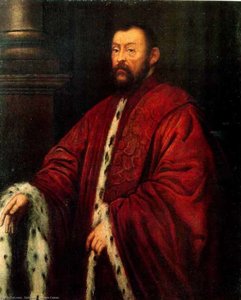
Artist Biography
A Venetian Master of Drama and Light
Jacopo Tintoretto, born Jacopo Robusti in Venice around 1518, remains one of the most compelling and enigmatic figures of the High Renaissance and early Baroque periods. His very nickname, “Tintoretto” – little dyer – speaks to his family’s trade, yet it belies the immense artistry that would distinguish him from all others. Unlike many artists who benefited from structured apprenticeships, Tintoretto's path was largely self-directed, fueled by an insatiable curiosity and a relentless drive for innovation. While accounts suggest a brief and unsuccessful stint under Titian, the acknowledged master of Venetian colorism, it seems the experience proved more contentious than formative. Titian’s alleged dismissal of the young Jacopo – whether due to jealousy or artistic disagreement – spurred Tintoretto toward an independent course, one characterized by audacious experimentation and a uniquely dynamic style. He immersed himself in anatomical study, reportedly through dissection, and honed his skills by meticulously copying classical sculpture and the works of other masters. This dedication laid the foundation for a career that would redefine Venetian painting.Forging a Distinctive Style: *Il Furioso*
Tintoretto’s artistic development was marked by an almost feverish energy, earning him another evocative nickname: *Il Furioso* – “the Furious One.” This moniker wasn't merely descriptive of his working pace but also captured the intensity and emotional charge that permeated his canvases. His early works already hinted at a departure from traditional Venetian conventions. While acknowledging Titian’s influence in color, Tintoretto gravitated towards Michelangelo’s powerful figures and dramatic compositions. He synthesized these influences into something entirely new: a style characterized by elongated forms, swirling draperies, and an innovative use of perspective that often created a sense of dizzying depth and movement. He abandoned the meticulous finish favored by his contemporaries, opting instead for a rapid, almost sketch-like brushstroke that conveyed immediacy and raw emotion. This technique, combined with his masterful manipulation of light and shadow – *chiaroscuro* – allowed him to create scenes of unparalleled drama and psychological intensity. He wasn’t simply depicting events; he was conveying their emotional core.Monumental Achievements: San Rocco and Beyond
Tintoretto's prodigious output spanned decades, encompassing religious narratives, historical allegories, and portraits. However, his most significant achievement lies in the cycle of paintings he created for the Scuola Grande di San Rocco, a Venetian confraternity dedicated to Saint Roch. Over a period of more than fifty years, Tintoretto adorned the Scuola’s halls with over sixty canvases, transforming it into a breathtaking visual testament to faith and human experience. Works like “The Last Supper,” completed late in his life, demonstrate his continued experimentation with perspective and composition. Departing from traditional depictions, Tintoretto placed the scene in a dramatically lit, architecturally unstable space, emphasizing the emotional turmoil of Christ’s final meal with his disciples. Other notable works include "The Miracle of St Mark Freeing the Slave," a powerful display of dynamic composition and foreshortening, and numerous paintings for Venetian churches and palaces that showcase his mastery of scale and narrative storytelling. These monumental projects cemented Tintoretto's reputation as one of Venice’s most important artists.Legacy and Historical Significance
Jacopo Tintoretto died in Venice in 1594, leaving behind a vast and influential body of work. He bridged the gap between the High Renaissance and the Baroque period, anticipating many of the stylistic innovations that would define the latter. His dramatic compositions, expressive brushwork, and innovative use of light and shadow profoundly influenced artists such as Caravaggio, Rembrandt, and Delacroix. He wasn’t merely a painter; he was a visual storyteller who understood how to harness the power of art to evoke emotion and inspire awe. As one of the three great Venetian painters of the 16th century – alongside Titian and Paolo Veronese – Tintoretto played a crucial role in shaping the artistic landscape of Venice during its golden age. His work reflects not only the religious fervor and political tensions of his time but also a uniquely personal vision that continues to resonate with audiences today, solidifying his place as one of history’s most important and captivating artists. His legacy is a testament to the enduring power of artistic innovation and the transformative potential of human creativity.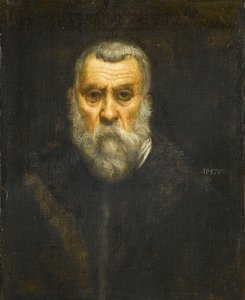
Jacopo Tintoretto
1518 - 1594 , Italy
Quick Facts
- Artistic Movement Or Style: Renaissance, Mannerism
- Artists Or Movements Influenced By This Artist:
- Caravaggio
- Baroque masters
- Artists Who Influenced This Artist:
- Titian
- Michelangelo
- Date Of Birth: 1518
- Date Of Death: 1594
- Full Name: Jacopo Tintoretto
- Nationality: Italian
- Notable Artworks:
- Miracle of St Mark
- Last Supper
- Assumption of Virgin
- Place Of Birth: Venice, Italy

