

 Preview
 Send
Send Share
Share
 Details

 Download
 Similars
 X-Ray
X-Ray Diaporama
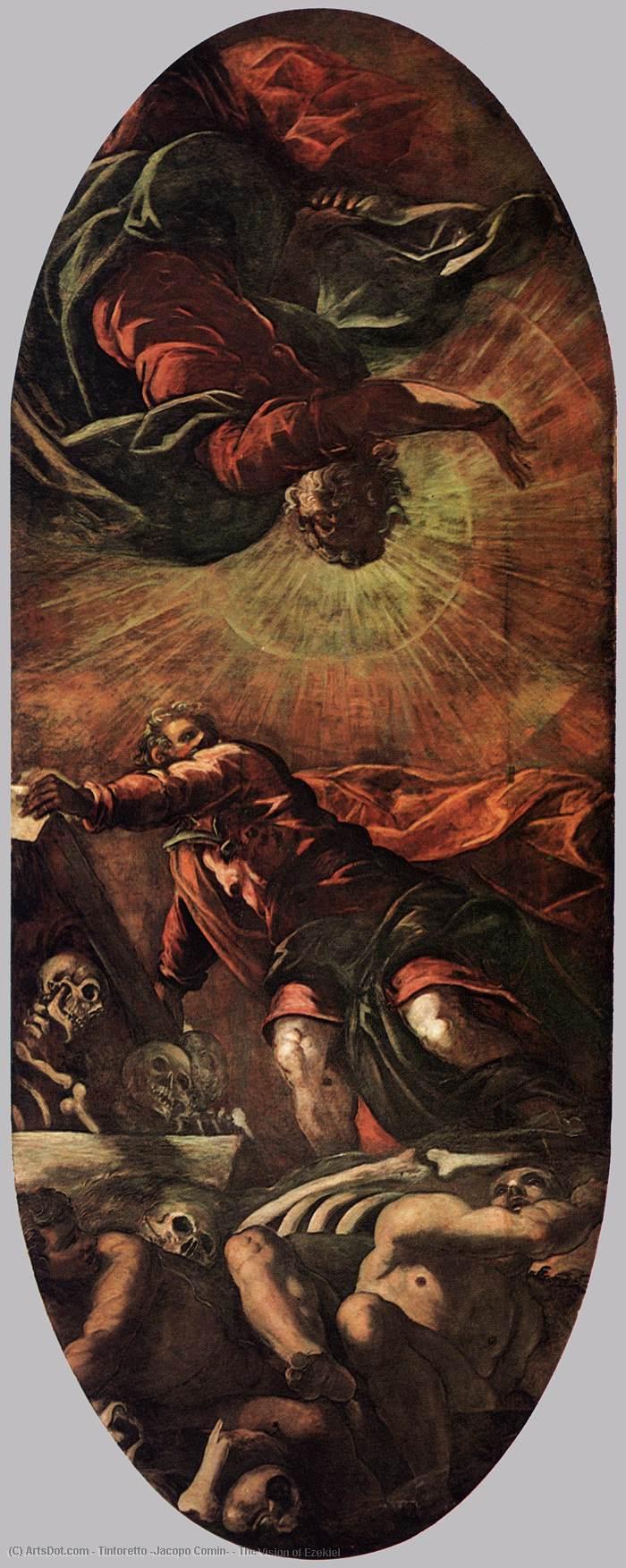
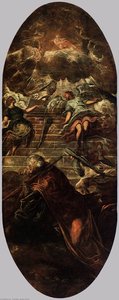
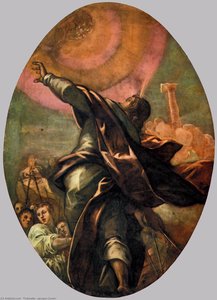
The Vision of Ezekiel
 Acrylic On Canvas
- WallArt
- Early Baroque
 1577
1577 660.0 x 265.0 cm
 Scuola Grande di San Rocco
 Read More
Purchase a high-resolution, enhanced digital image, far superior to the online preview.
Each file is meticulously prepared by our in-house specialists using advanced tools and expert manual retouching. We ensure every image has exceptional clarity, precise color accuracy, and fine detail.
The final file is delivered via email within 72 hours, optimized for immediate use in professional, editorial, and print environments. This is the same quality trusted by top-tier design studios, publishers, and galleries.
Digital Image
Download a high-resolution file for personal display, printing, and creative projects. ( Buy Print Buy Hand Made Painting)
Included in Every Digital Image Order
Expert Digital Delivery, Guaranteed
When you choose ArtsDot.com, you're not just getting an image - you're receiving a professionally enhanced digital artwork, crafted with precision and backed by a satisfaction guarantee. Here's everything that comes with your order, automatically:

Fast Email Delivery
Your high-resolution digital image file will be emailed to you within 72 hours of ordering - ready for immediate use.

AI-Enhanced Digital File
Your artwork is professionally optimized using advanced AI tools and manual editing, ensuring maximum detail, clarity, and color accuracy.

Free Lifetime Re-Delivery
Accidentally deleted or lost your file? No worries - we'll resend it to you anytime, free of charge.

No Import Fees - Ever
Enjoy your artwork instantly with zero customs, duties, or delivery fees - digital downloads are always tax-free.

Color Accuracy Guarantee
We ensure your digital image reflects the original colors as closely as possible using professional tools and color management.

60-Day Satisfaction Guarantee
If you're not satisfied with your digital image, we'll revise it or refund 100% within 60 days - no questions asked.

100% Money-Back Guarantee
Not satisfied? Get a full refund within 60 days of receiving your digital file - no questions asked.

Bulk Order Discounts
Buy 3 images, save 10% - Buy 5, save 15% - Buy 10+, save 20%. Great for creative projects, galleries, and agencies.
Collectible Description
A Tempestuous Vision: Tintoretto’s “The Vision of Ezekiel”
Jacopo Tintoretto's "The Vision of Ezekiel," completed in 1577, is not merely a depiction of a biblical narrative; it’s an immersive experience—a swirling vortex of light, drama, and profound spiritual intensity. Painted during the tumultuous transition from the High Renaissance to the Baroque period, this monumental canvas embodies Tintoretto's signature style: a masterful manipulation of color, composition, and theatrical lighting designed to evoke awe and convey a visceral sense of divine presence. The painting’s sheer scale – measuring 660 x 265 cm – immediately commands attention, drawing the viewer into its chaotic yet compelling world.
At first glance, the scene unfolds with arresting immediacy. A central figure, bathed in an almost blinding golden light, receives a vision from God—a radiant being depicted partially obscured by swirling clouds and drapery. This central moment of revelation is framed by a multitude of figures: prophets, supplicants, and observers, all caught within the drama of Ezekiel’s experience. The artist's use of *chiaroscuro*, that dramatic interplay between light and shadow, is particularly striking. Deep blacks and browns dominate the background, creating an atmosphere of mystery and foreboding, while the figure receiving the vision is illuminated with a luminous intensity that suggests both divine grace and overwhelming power.
The Baroque Master at Work: Technique and Innovation
Tintoretto’s technique in “The Vision of Ezekiel” reveals his relentless experimentation and departure from traditional Venetian painting. He employed a rapid, almost frenetic brushstroke—a hallmark of his style—to create a sense of movement and dynamism that was unprecedented for its time. Unlike the smooth, polished surfaces favored by Titian, Tintoretto’s paint is applied with visible texture, lending the scene an immediacy and physicality. The artist's mastery of color is equally remarkable; he utilizes a rich palette of reds, blues, and golds to create vibrant contrasts and heighten the emotional impact of the composition. Notably, Tintoretto often worked *alla prima*, directly on the canvas without underdrawing, contributing to the painting’s sense of urgency and spontaneity.
- Compositional Innovation: The arrangement of figures is deliberately complex, creating a pyramidal structure that draws the eye upwards towards the central vision.
- Dynamic Lighting: The dramatic use of light and shadow—a key element of Baroque art—is employed to heighten emotional intensity and create a sense of theatrical spectacle.
- Visible Brushwork: Tintoretto’s characteristic rapid, expressive brushstrokes contribute to the painting's dynamic energy and immediacy.
Symbolism and Spiritual Depth
Beyond its technical brilliance, “The Vision of Ezekiel” is rich in symbolic meaning. The figure receiving the vision represents humanity confronted with divine revelation—a theme central to both biblical prophecy and the broader spiritual quest. The swirling clouds and drapery surrounding God’s form suggest the unknowable nature of the divine, while the figures in the foreground represent those who are receptive to this higher truth. The inclusion of a figure holding an object resembling a skateboard is a fascinating, and perhaps deliberately provocative, detail. Some scholars interpret it as a subtle commentary on earthly pursuits versus spiritual enlightenment – a visual metaphor for the temptations that can distract from divine revelation. The angels flanking the scene further emphasize the sacred nature of the event, acting as intermediaries between God and humanity.
A Legacy of Dramatic Intensity
“The Vision of Ezekiel” stands as a testament to Jacopo Tintoretto’s genius—a pivotal work that exemplifies his innovative style and profound understanding of human emotion. Completed just a few years before his death, it represents the culmination of decades of artistic exploration and experimentation. Today, reproductions of this powerful painting offer art lovers and collectors alike an opportunity to experience the drama, intensity, and spiritual depth of one of Venice’s greatest masters. ArtsDot's meticulous hand-painted reproductions capture not only the visual splendor of Tintoretto’s masterpiece but also the very essence of his artistic vision—a truly immersive encounter with a timeless work of art.
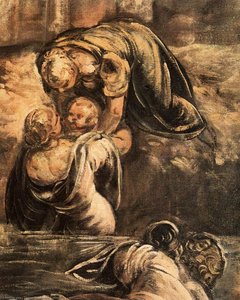
Related Artworks

Artist Biography
A Venetian Master of Drama and Light
Jacopo Tintoretto, born Jacopo Robusti in Venice around 1518, remains one of the most compelling and enigmatic figures of the High Renaissance and early Baroque periods. His very nickname, “Tintoretto” – little dyer – speaks to his family’s trade, yet it belies the immense artistry that would distinguish him from all others. Unlike many artists who benefited from structured apprenticeships, Tintoretto's path was largely self-directed, fueled by an insatiable curiosity and a relentless drive for innovation. While accounts suggest a brief and unsuccessful stint under Titian, the acknowledged master of Venetian colorism, it seems the experience proved more contentious than formative. Titian’s alleged dismissal of the young Jacopo – whether due to jealousy or artistic disagreement – spurred Tintoretto toward an independent course, one characterized by audacious experimentation and a uniquely dynamic style. He immersed himself in anatomical study, reportedly through dissection, and honed his skills by meticulously copying classical sculpture and the works of other masters. This dedication laid the foundation for a career that would redefine Venetian painting.Forging a Distinctive Style: *Il Furioso*
Tintoretto’s artistic development was marked by an almost feverish energy, earning him another evocative nickname: *Il Furioso* – “the Furious One.” This moniker wasn't merely descriptive of his working pace but also captured the intensity and emotional charge that permeated his canvases. His early works already hinted at a departure from traditional Venetian conventions. While acknowledging Titian’s influence in color, Tintoretto gravitated towards Michelangelo’s powerful figures and dramatic compositions. He synthesized these influences into something entirely new: a style characterized by elongated forms, swirling draperies, and an innovative use of perspective that often created a sense of dizzying depth and movement. He abandoned the meticulous finish favored by his contemporaries, opting instead for a rapid, almost sketch-like brushstroke that conveyed immediacy and raw emotion. This technique, combined with his masterful manipulation of light and shadow – *chiaroscuro* – allowed him to create scenes of unparalleled drama and psychological intensity. He wasn’t simply depicting events; he was conveying their emotional core.Monumental Achievements: San Rocco and Beyond
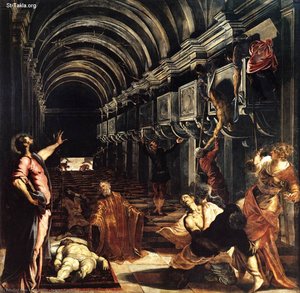
Tintoretto's prodigious output spanned decades, encompassing religious narratives, historical allegories, and portraits. However, his most significant achievement lies in the cycle of paintings he created for the Scuola Grande di San Rocco, a Venetian confraternity dedicated to Saint Roch. Over a period of more than fifty years, Tintoretto adorned the Scuola’s halls with over sixty canvases, transforming it into a breathtaking visual testament to faith and human experience. Works like “The Last Supper,” completed late in his life, demonstrate his continued experimentation with perspective and composition. Departing from traditional depictions, Tintoretto placed the scene in a dramatically lit, architecturally unstable space, emphasizing the emotional turmoil of Christ’s final meal with his disciples. Other notable works include "The Miracle of St Mark Freeing the Slave," a powerful display of dynamic composition and foreshortening, and numerous paintings for Venetian churches and palaces that showcase his mastery of scale and narrative storytelling. These monumental projects cemented Tintoretto's reputation as one of Venice’s most important artists.Legacy and Historical Significance
Jacopo Tintoretto died in Venice in 1594, leaving behind a vast and influential body of work. He bridged the gap between the High Renaissance and the Baroque period, anticipating many of the stylistic innovations that would define the latter. His dramatic compositions, expressive brushwork, and innovative use of light and shadow profoundly influenced artists such as Caravaggio, Rembrandt, and Delacroix. He wasn’t merely a painter; he was a visual storyteller who understood how to harness the power of art to evoke emotion and inspire awe. As one of the three great Venetian painters of the 16th century – alongside Titian and Paolo Veronese – Tintoretto played a crucial role in shaping the artistic landscape of Venice during its golden age. His work reflects not only the religious fervor and political tensions of his time but also a uniquely personal vision that continues to resonate with audiences today, solidifying his place as one of history’s most important and captivating artists. His legacy is a testament to the enduring power of artistic innovation and the transformative potential of human creativity.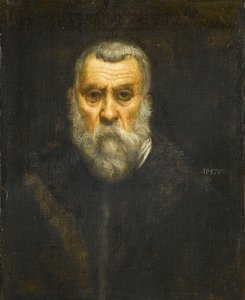
Jacopo Tintoretto
1518 - 1594 , Italy
Quick Facts
- Artistic Movement Or Style: Renaissance, Mannerism
- Artists Or Movements Influenced By This Artist:
- Caravaggio
- Baroque masters
- Artists Who Influenced This Artist:
- Titian
- Michelangelo
- Date Of Birth: 1518
- Date Of Death: 1594
- Full Name: Jacopo Tintoretto
- Nationality: Italian
- Notable Artworks:
- Miracle of St Mark
- Last Supper
- Assumption of Virgin
- Place Of Birth: Venice, Italy

