

 Preview
 Send
Send Share
Share
 Details

 Download
 Similars
 X-Ray
X-Ray Diaporama
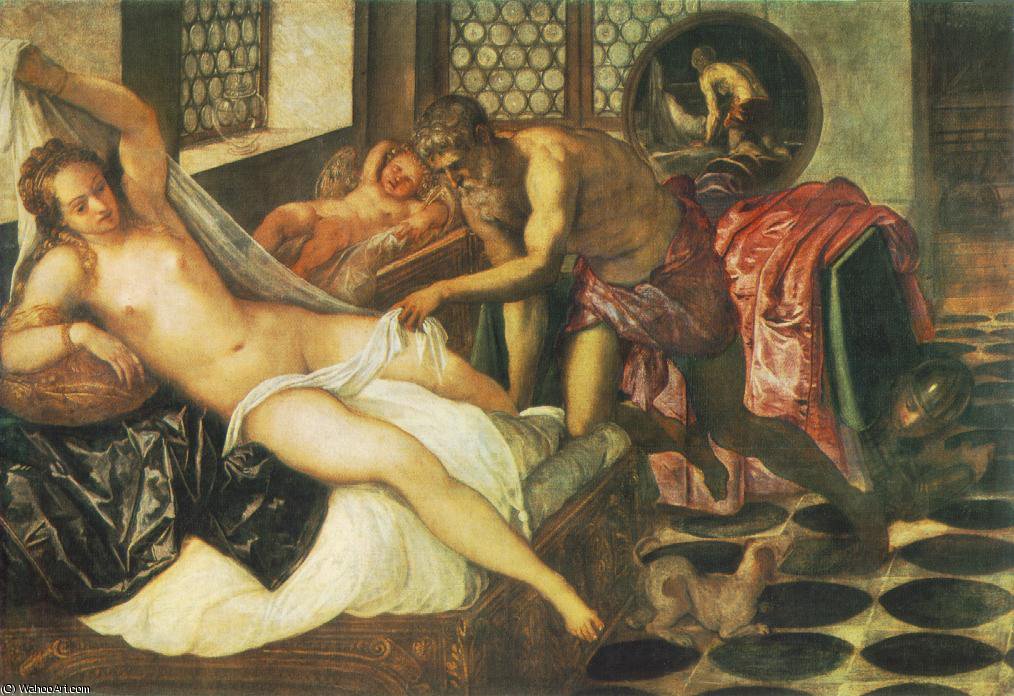
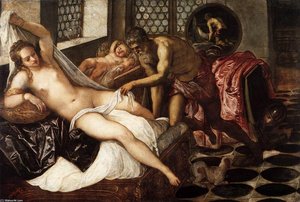
Vulcanus takes mars and venus unawares. münchen


 Read More
Purchase a high-resolution, enhanced digital image, far superior to the online preview.
Each file is meticulously prepared by our in-house specialists using advanced tools and expert manual retouching. We ensure every image has exceptional clarity, precise color accuracy, and fine detail.
The final file is delivered via email within 72 hours, optimized for immediate use in professional, editorial, and print environments. This is the same quality trusted by top-tier design studios, publishers, and galleries.
Digital Image
Download a high-resolution file for personal display, printing, and creative projects. ( Buy Print Buy Hand Made Painting)
Included in Every Digital Image Order
Expert Digital Delivery, Guaranteed
When you choose ArtsDot.com, you're not just getting an image - you're receiving a professionally enhanced digital artwork, crafted with precision and backed by a satisfaction guarantee. Here's everything that comes with your order, automatically:

Fast Email Delivery
Your high-resolution digital image file will be emailed to you within 72 hours of ordering - ready for immediate use.

AI-Enhanced Digital File
Your artwork is professionally optimized using advanced AI tools and manual editing, ensuring maximum detail, clarity, and color accuracy.

Free Lifetime Re-Delivery
Accidentally deleted or lost your file? No worries - we'll resend it to you anytime, free of charge.

No Import Fees - Ever
Enjoy your artwork instantly with zero customs, duties, or delivery fees - digital downloads are always tax-free.

Color Accuracy Guarantee
We ensure your digital image reflects the original colors as closely as possible using professional tools and color management.

60-Day Satisfaction Guarantee
If you're not satisfied with your digital image, we'll revise it or refund 100% within 60 days - no questions asked.

100% Money-Back Guarantee
Not satisfied? Get a full refund within 60 days of receiving your digital file - no questions asked.

Bulk Order Discounts
Buy 3 images, save 10% - Buy 5, save 15% - Buy 10+, save 20%. Great for creative projects, galleries, and agencies.
Collectible Description
A Moment of Divine Intrusion
In the grand theater of Venetian Mannerism, few moments capture the raw, electric tension of discovery quite like Jacopo Tintoretto’s Vulcanus takes Mars and Venus unawares. This monumental masterpiece serves as a breathtaking window into the turbulent passions of classical mythology, specifically the scandalous episode from Homer’s Odyssey. The canvas plunges the viewer directly into a scene of profound vulnerability and sudden confrontation. As the god of fire and forge, Vulcan, bursts into the intimate sanctuary of the marital bed, he finds the god of war, Mars, and the goddess of love, Venus, caught in their clandestine embrace. It is a composition that does not merely tell a story; it vibrates with the psychological weight of being exposed, capturing that breathless second where desire is abruptly met by the cold reality of justice.
The narrative depth of this work lies in its ability to weave complex mythological archetypes into a singular, dramatic event. Through Tintoretto’s lens, we witness more than just an act of infidelity; we see the collision of opposing cosmic forces. Venus, embodying the ethereal beauty and irresistible pull of passion, is juxtaposed against the muscular, aggressive presence of Mars. Their shared vulnerability is shattered by the arrival of Vulcan, whose very presence introduces the element of heat, industry, and unyielding truth. This interplay of characters creates a rich symbolic tapestry where love, war, and divine retribution dance in a precarious balance, making the painting an endlessly fascinating subject for those who appreciate art that explores the deeper complexities of the human condition.
The Mastery of Light and Motion
To behold a Tintoretto is to experience the revolutionary power of chiaroscuro and dynamic movement. Eschewing the static, balanced compositions of the High Renaissance, Tintoretto employs a daringly asymmetrical and pyramidal structure that directs the eye in a restless, upward sweep. His technique is characterized by a brilliant use of light that seems to emerge from within the shadows themselves, illuminating the flesh of the lovers and the metallic glint of Vulcan’s presence with an almost supernatural intensity. The artist’s signature impasto—the thick, textured application of paint—adds a tactile dimension to the work, lending a sense of physical urgency to the brushstrokes that mirrors the chaotic energy of the scene.
For the discerning collector or interior designer, this painting offers an unparalleled sense of drama and prestige. The way light plays across the figures creates a sense of depth that can transform a sophisticated living space or a curated gallery wall into a site of profound contemplation. A high-quality reproduction of this work allows one to bring the theatrical grandeur of 16th-century Venice into a modern setting, providing a focal point that is both intellectually stimulating and visually arresting. It is an invitation to surround oneself with the mastery of a painter who understood that true beauty often resides in the most turbulent and unexpected moments of life.
Related Artworks
Artist Biography
A Venetian Master of Drama and Light
Jacopo Tintoretto, born Jacopo Robusti in Venice around 1518, remains one of the most compelling and enigmatic figures of the High Renaissance and early Baroque periods. His very nickname, “Tintoretto” – little dyer – speaks to his family’s trade, yet it belies the immense artistry that would distinguish him from all others. Unlike many artists who benefited from structured apprenticeships, Tintoretto's path was largely self-directed, fueled by an insatiable curiosity and a relentless drive for innovation. While accounts suggest a brief and unsuccessful stint under Titian, the acknowledged master of Venetian colorism, it seems the experience proved more contentious than formative. Titian’s alleged dismissal of the young Jacopo – whether due to jealousy or artistic disagreement – spurred Tintoretto toward an independent course, one characterized by audacious experimentation and a uniquely dynamic style. He immersed himself in anatomical study, reportedly through dissection, and honed his skills by meticulously copying classical sculpture and the works of other masters. This dedication laid the foundation for a career that would redefine Venetian painting.Forging a Distinctive Style: *Il Furioso*
Tintoretto’s artistic development was marked by an almost feverish energy, earning him another evocative nickname: *Il Furioso* – “the Furious One.” This moniker wasn't merely descriptive of his working pace but also captured the intensity and emotional charge that permeated his canvases. His early works already hinted at a departure from traditional Venetian conventions. While acknowledging Titian’s influence in color, Tintoretto gravitated towards Michelangelo’s powerful figures and dramatic compositions. He synthesized these influences into something entirely new: a style characterized by elongated forms, swirling draperies, and an innovative use of perspective that often created a sense of dizzying depth and movement. He abandoned the meticulous finish favored by his contemporaries, opting instead for a rapid, almost sketch-like brushstroke that conveyed immediacy and raw emotion. This technique, combined with his masterful manipulation of light and shadow – *chiaroscuro* – allowed him to create scenes of unparalleled drama and psychological intensity. He wasn’t simply depicting events; he was conveying their emotional core.Monumental Achievements: San Rocco and Beyond
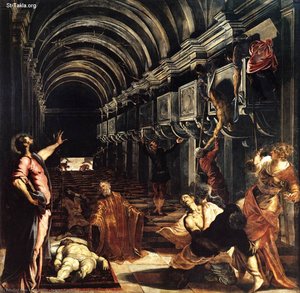
Tintoretto's prodigious output spanned decades, encompassing religious narratives, historical allegories, and portraits. However, his most significant achievement lies in the cycle of paintings he created for the Scuola Grande di San Rocco, a Venetian confraternity dedicated to Saint Roch. Over a period of more than fifty years, Tintoretto adorned the Scuola’s halls with over sixty canvases, transforming it into a breathtaking visual testament to faith and human experience. Works like “The Last Supper,” completed late in his life, demonstrate his continued experimentation with perspective and composition. Departing from traditional depictions, Tintoretto placed the scene in a dramatically lit, architecturally unstable space, emphasizing the emotional turmoil of Christ’s final meal with his disciples. Other notable works include "The Miracle of St Mark Freeing the Slave," a powerful display of dynamic composition and foreshortening, and numerous paintings for Venetian churches and palaces that showcase his mastery of scale and narrative storytelling. These monumental projects cemented Tintoretto's reputation as one of Venice’s most important artists.Legacy and Historical Significance
Jacopo Tintoretto died in Venice in 1594, leaving behind a vast and influential body of work. He bridged the gap between the High Renaissance and the Baroque period, anticipating many of the stylistic innovations that would define the latter. His dramatic compositions, expressive brushwork, and innovative use of light and shadow profoundly influenced artists such as Caravaggio, Rembrandt, and Delacroix. He wasn’t merely a painter; he was a visual storyteller who understood how to harness the power of art to evoke emotion and inspire awe. As one of the three great Venetian painters of the 16th century – alongside Titian and Paolo Veronese – Tintoretto played a crucial role in shaping the artistic landscape of Venice during its golden age. His work reflects not only the religious fervor and political tensions of his time but also a uniquely personal vision that continues to resonate with audiences today, solidifying his place as one of history’s most important and captivating artists. His legacy is a testament to the enduring power of artistic innovation and the transformative potential of human creativity.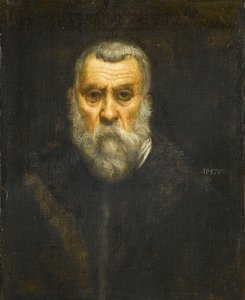
Jacopo Tintoretto
1518 - 1594 , Italy
Quick Facts
- Artistic Movement Or Style: Renaissance, Mannerism
- Artists Or Movements Influenced By This Artist:
- Caravaggio
- Baroque masters
- Artists Who Influenced This Artist:
- Titian
- Michelangelo
- Date Of Birth: 1518
- Date Of Death: 1594
- Full Name: Jacopo Tintoretto
- Nationality: Italian
- Notable Artworks:
- Miracle of St Mark
- Last Supper
- Assumption of Virgin
- Place Of Birth: Venice, Italy

