 Preview
 Send
Send Share
Share
 Details

 Download
 Similars
 X-Ray
X-Ray Diaporama
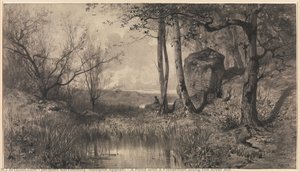
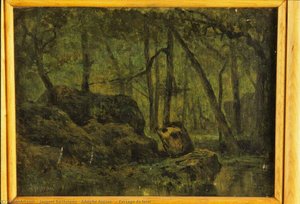
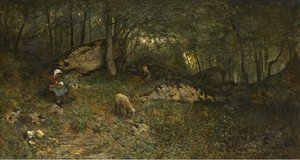
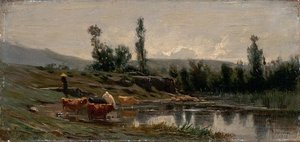
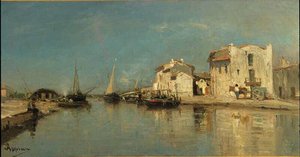
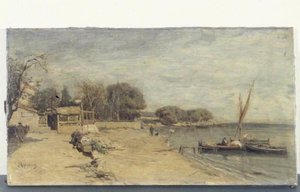
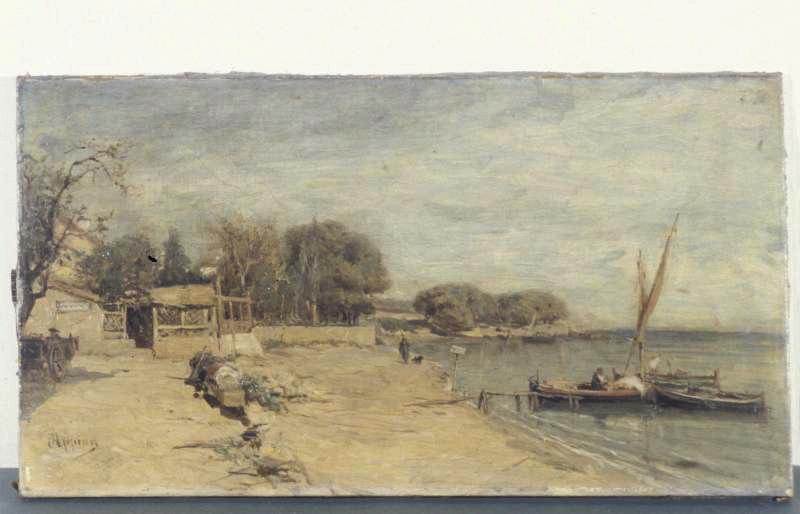
Environs de Carqueiranne (près d'Hyères)
 Read More
Giclée / Art Print
Museum-quality giclée or canvas print with fast production and flexible finish options. ( Buy Hand Made Painting Buy Image)




































Pick from our preset sizes that match the artwork's original proportions.

You may enter your own dimensions to fit a specific frame or space. If your selected size does not match the original image's proportions, we will either crop the artwork or extend the image with a mirrored or solid-fill edge. A digital mockup will be sent for your approval before production begins.
Please note that the on-screen preview does not reflect the actual cropping or extension. Only the mockup will accurately show the final composition.
While custom sizes are available, we recommend selecting a dimension from the predefined list to preserve the original proportions.
Worldwide Delivery () in 2 weeks instead of standard 4/5 weeks. (24 August)

Free Worldwide Express Shipping

High-Quality Linen Canvas

Full Shipping Insurance

Customs Tax Refund Guarantee

True Color Matching Guarantee

60-Day Return Policy (Defects Only)

100% Money-Back Guarantee

Bulk Discount Offer
 Glass option is only available in size under 110 CM

Environs de Carqueiranne (près d'Hyères)
Giclée / Art Print
Reproduction Size
-


Total Price
$ 63
Related Artworks








Artist Biography
Jacques Barthélemy (Adolphe Appian): A Visionary of Symbolist Landscape
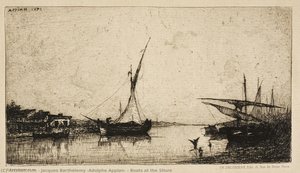
Jacques Barthélemy, known universally as Adolphe Appian, was born in Paris in 1818 into a family steeped in artistic tradition. His father, Jean Michel Grobon, was a sculptor and instilled in young Jacques a profound appreciation for form and materiality—a foundation that would profoundly shape his own artistic endeavors. Despite facing considerable hardship during his formative years due to familial financial difficulties, Appian persevered with unwavering determination, fueled by an innate desire to capture the essence of nature’s grandeur through painting. His early training encompassed both academic instruction at École Supérieure des Beaux-Arts and independent explorations inspired by the burgeoning Symbolist movement. This movement championed subjective experience and emotional resonance over mere representation, prioritizing atmosphere and mood as conduits for conveying deeper meanings. Influenced heavily by Friedrich Nietzsche's philosophy of eternal recurrence and Wagnerian opera—particularly Tristan und Isolde—Appian sought to distill complex psychological states into visual form, mirroring the turbulent inner lives of his subjects. Appian’s artistic output is characterized by a distinctive blend of meticulous observation and imaginative embellishment. He meticulously studied geological formations and botanical specimens, painstakingly recreating landscapes with astonishing accuracy. However, these landscapes weren't merely topographical depictions; they served as canvases for conveying profound emotional states—melancholy contemplation, yearning for transcendence, and an awareness of the sublime beauty inherent in the natural world. His technique involved layering thin glazes of color upon canvas, creating luminous surfaces that shimmered with subtle tonal variations. This painstaking process allowed him to achieve a remarkable degree of atmospheric depth and luminosity, capturing fleeting moments of light and shadow with breathtaking subtlety. Among Appian’s most celebrated works include “Boats at the Shore,” a monumental seascape depicting turbulent waves crashing against rocky cliffs—a visual embodiment of Nietzsche's concept of overcoming adversity. Similarly, "Environs de Carqueiranne (près d'Hyères)" showcases a serene coastal panorama bathed in golden sunlight, reflecting Appian’s fascination with capturing idealized beauty and conveying feelings of tranquility and contemplation. These paintings exemplify the Symbolist aesthetic—a deliberate rejection of realism in favor of subjective perception and emotional expression. Appian’s legacy extends beyond his individual artworks; he established École Supérieure des Beaux-Arts de Nancy in 1876, nurturing a generation of artists who embraced the Symbolist ethos. His influence can be seen throughout French landscape painting of the late nineteenth century, cementing his place as one of the foremost practitioners of this influential artistic movement. He died peacefully in Paris in 1898, leaving behind an oeuvre that continues to inspire admiration for its masterful technique and profound emotional depth.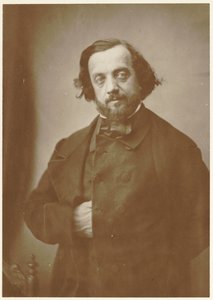
Quick Facts
- Artistic Movement Or Style: Symbolism
- Artists Or Movements Influenced By This Artist: ['École de Barbizon']
- Artists Who Influenced This Artist: ['Jean Michel Grobon']
- Date Of Birth: 1818
- Date Of Death: 1898
- Full Name: Jacques Barthélemy Appian
- Nationality: French
- Notable Artworks:
- Boats at the Shore
- Environs de Carqueiranne (près d'Hyères)
- Place Of Birth: Alsace