 Preview
 Send
Send Share
Share
 Details

 Download
 Similars
 X-Ray
X-Ray Diaporama
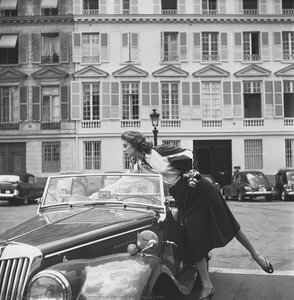
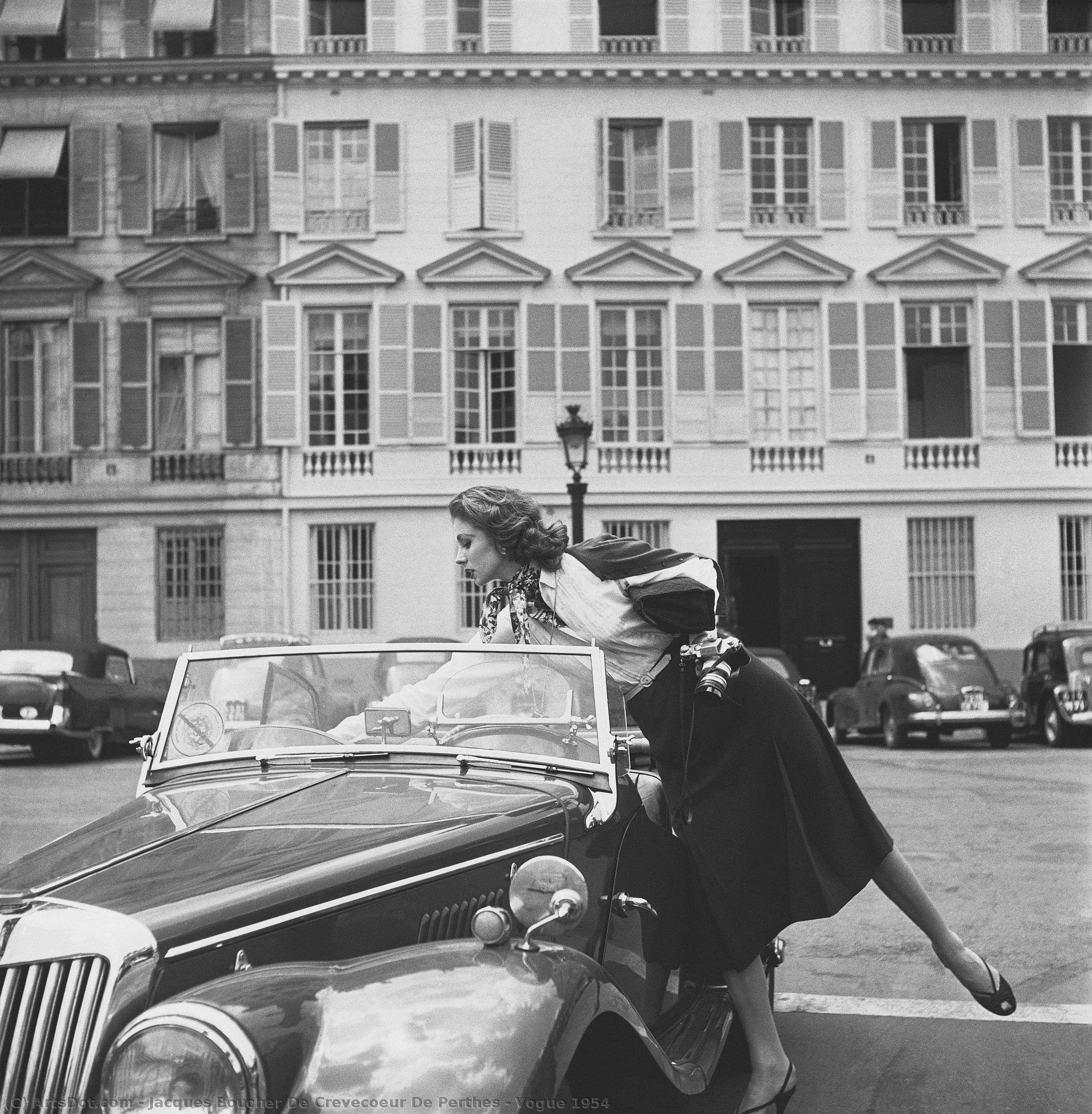
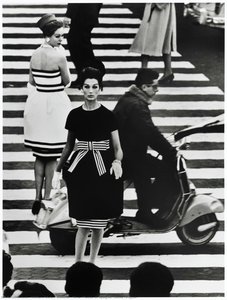
Vogue 1954


 Read More
Giclée / Art Print
Museum-quality giclée or canvas print with fast production and flexible finish options. ( Buy Hand Made Painting Buy Image)




































Pick from our preset sizes that match the artwork's original proportions.

You may enter your own dimensions to fit a specific frame or space. If your selected size does not match the original image's proportions, we will either crop the artwork or extend the image with a mirrored or solid-fill edge. A digital mockup will be sent for your approval before production begins.
Please note that the on-screen preview does not reflect the actual cropping or extension. Only the mockup will accurately show the final composition.
While custom sizes are available, we recommend selecting a dimension from the predefined list to preserve the original proportions.
Worldwide Delivery () in 2 weeks instead of standard 4/5 weeks. (23 August)

Free Worldwide Express Shipping

High-Quality Linen Canvas

Full Shipping Insurance

Customs Tax Refund Guarantee

True Color Matching Guarantee

60-Day Return Policy (Defects Only)

100% Money-Back Guarantee

Bulk Discount Offer
 Glass option is only available in size under 110 CM

Vogue 1954
Giclée / Art Print
Reproduction Size
-


Total Price
$ 63
Related Artworks






Artist Biography
Jacques Boucher de Crèvecœur de Perthes (1788-1868): Pioneer of Prehistory
Jacques Boucher de Crèvecœur de Perthes (1788-1868) stands as a pivotal figure in the genesis of paleoanthropology, largely due to his groundbreaking discovery of flint tools in the Somme Valley – an event that fundamentally reshaped our understanding of human origins. Born in Rethel, France, he was the eldest son of Jules Armand Guillaume Boucher de Crèvecoeur, a botanist and customs officer, shaping his intellectual trajectory from a young age amidst scientific pursuits. This formative influence would later translate into a lifelong dedication to unraveling the mysteries of prehistoric life.- Early Life & Education: Jacques’s upbringing instilled in him a meticulous observation of nature and fostered an inquisitive spirit—qualities that proved invaluable during his subsequent archaeological explorations. He pursued his education diligently, immersing himself in classical studies and honing his analytical skills.
- Career as Customs Officer: Following Napoleon I's ascent to power, Boucher de Perthes secured a position at Abbeville’s customs office, providing him with financial stability and access to valuable archival materials crucial for his research endeavors. This role allowed him to delve into the intricacies of geological formations and historical records.
- Archaeological Breakthrough: Around 1830, Boucher de Perthes embarked on a systematic investigation of flint nodules found in the Somme Valley gravels—a region renowned for its rich paleontological deposits. His meticulous analysis revealed evidence of human toolmaking predating conventional timelines, sparking considerable debate within the scientific community.
- The Brixham Cave Discovery & Vindication: Boucher de Perthes’s conviction persisted despite initial skepticism surrounding his findings until the sensational discovery of Brixham Cave in England in 1858—a site containing flint tools alongside extinct animal remains. This corroborating evidence decisively validated his hypothesis, cementing his legacy as a visionary archaeologist.
The Somme Valley & The Flint Tool Controversy
Boucher de Perthes’s meticulous examination of Somme Valley flint nodules captivated the attention of fellow scientists and historians alike. He argued persuasively that these tools represented tangible proof of human existence far earlier than previously accepted—a proposition initially met with considerable resistance from established scholars who adhered to prevailing geological theories.
- Methodology: Boucher de Perthes championed a rigorous approach to archaeological investigation, emphasizing comparative analysis and meticulous documentation. He meticulously catalogued each tool, noting its dimensions, shape, and surface characteristics—a practice that would become standard in paleoanthropological research.
- Initial Criticism: Despite his unwavering conviction, Boucher de Perthes faced criticism from prominent geologists like Charles Lyell, who championed uniformitarianism—the belief that geological processes operate consistently throughout time—challenging the notion of catastrophism and undermining Boucher’s central argument.
Major Achievements & Legacy
Despite facing considerable opposition during his lifetime, Jacques Boucher de Crèvecœur de Perthes's unwavering dedication to paleoanthropological research ultimately yielded remarkable results. His meticulous documentation of Somme Valley flint tools served as a catalyst for the burgeoning field of prehistoric archaeology.
- Foundation of Paleoanthropology: Boucher de Perthes is widely regarded as one of the founding fathers of paleoanthropology, establishing a paradigm shift in scientific thought regarding human history.
- Influence on Subsequent Researchers: His pioneering methodology inspired generations of archaeologists and paleontologists who followed him—solidifying his enduring impact on the discipline.
Further Exploration
For those interested in delving deeper into Jacques Boucher de Crèvecœur de Perthes’s life and work, resources include:
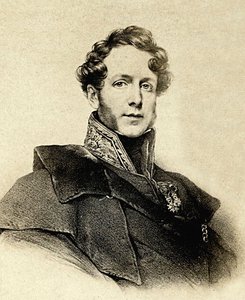
jacques boucher de crevecoeur de perthes
1788 - 1868 , France
Quick Facts
- Artistic Movement Or Style: Archaeology
- Artists Or Movements Influenced By This Artist: ['Paleolithic']
- Artists Who Influenced This Artist: ['Charles Lyell']
- Date Of Birth: September 10, 1788
- Date Of Death: August 5, 1868
- Full Name: Jacques Boucher de Crèvecœur de Perthes
- Nationality: French
- Notable Artworks: ['Blade and Bone: The Discovery of Human Antiquity']
- Place Of Birth: Rethel, France