 Preview
 Send
Send Share
Share
 Details

 Download
 Similars
 X-Ray
X-Ray Diaporama
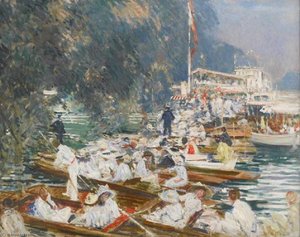
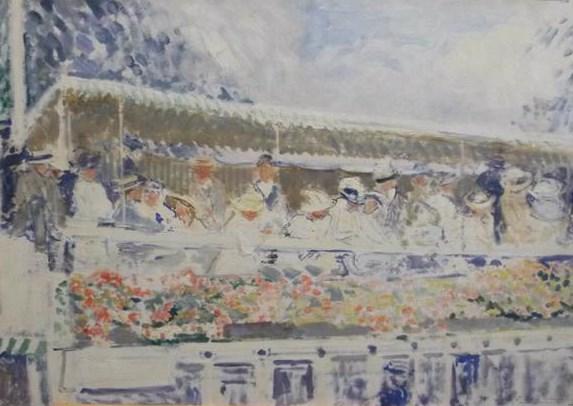
Henley House Boat on the Thames


 Read More
Hand Made Oil Reproduction
Hand-painted oil on canvas in your size and frame, made to order by our artists. ( Buy Print Buy Image)




P118B $10

P118H $10

P118W $10

P438Z $10

P508JH $12

P508YH $12

P805H $10

P805Z $10

P919BZ $10

P919G $10

P919XJ $10

P959ZH $10

P968JZ $12

W106C $8

W218G $10

W218JH $8

W218Y $10

W307PJ $10

W316G $10

W316PJ $8

W316Y $10

W398PJ $8

W4111J $10

W500HY $15

W500JH $15

W692G $12

W849H $8

W940BG $15

W953PJ $8




Pick from our preset sizes that match the artwork's original proportions.

You may enter your own dimensions to fit a specific frame or space. If your selected size does not match the original image's proportions, we will either crop the artwork or extend the painting with additional hand-painted elements. A digital mockup will be sent for your approval before production begins.
Please note that the on-screen preview does not reflect the actual cropping or extension. Only the mockup will accurately show the final composition.
While custom sizes are available, we recommend selecting a dimension from the predefined list to preserve the original proportions.
After order, ArtsDot.com team will email client for instructions and provide a mockup preview
Worldwide Delivery () in 3/4 weeks instead of standard 5 weeks. (21 August). No compromise on quality.

Free Worldwide Express Shipping

High-Quality Linen Canvas

Full Shipping Insurance

Customs Tax Refund Guarantee

True Color Matching Guarantee

60-Day Return Policy (Defects Only)

100% Money-Back Guarantee

Bulk Discount Offer
 Glass option is only available in size under 110 CM

Henley House Boat on the Thames
Reproduction Medium
Reproduction Size
-


Total Price
$ 263
Artwork Description
A Parisian Picnic Under Canvas: Jacques-Émile Blanche’s Henley House Boat
The painting depicts Henley House Boat on the Thames, capturing a quintessential moment of leisure and social interaction in 1923. Painted by Jacques-Émile Blanche, this large oil on panel exemplifies his signature style – characterized by loose brushwork and a restrained palette that prioritizes tonal harmony over vibrant color saturation. The scene unfolds beneath a sprawling tent draped with floral arrangements, transporting viewers back to the glamour of the Jazz Age in London.Subject Matter & Composition
Blanche’s meticulous attention to detail is evident in the depiction of several men and women seated around dining tables laden with vases brimming with lilies and roses. These flowers serve as more than mere decoration; they symbolize purity, beauty, and remembrance – motifs frequently employed by Blanche to convey emotion and elevate his subjects beyond simple portraiture. The composition itself is deliberately asymmetrical, guiding the eye across the canvas and creating a sense of dynamism despite the stillness of the figures.Technique & Style: Impressionistic Echoes
Blanche’s technique leans heavily on Impressionistic principles, albeit filtered through his own distinctive vision. He eschews blending colors extensively, opting instead for juxtaposed strokes that allow light to illuminate the surfaces of objects and create subtle variations in tone. This approach is particularly noticeable in the rendering of the tent fabric and the reflections shimmering on the tables – capturing fleeting impressions of light and atmosphere with remarkable accuracy. Influenced by Whistler’s atmospheric landscapes, Blanche sought to convey not just what he saw but how it felt.Historical Context & Artistic Influences
Created during a period of significant artistic experimentation and social change, Henley House Boat reflects the broader cultural landscape of the early 1920s. Blanche's work aligns with the burgeoning interest in capturing everyday life and exploring psychological nuance – trends championed by artists like Monet and Renoir. Furthermore, he drew inspiration from Eugène Delacroix’s Romantic fervor, injecting a sense of drama and emotion into his portraits that distinguishes them from more formal academic styles.Emotional Resonance & Artistic Legacy
Ultimately, Henley House Boat succeeds in conveying a palpable feeling of conviviality and understated elegance. Blanche's masterful handling of light and color evokes the warmth of an outdoor gathering, inviting viewers to contemplate the beauty of human connection amidst the backdrop of a bygone era. This painting stands as a testament to Blanche’s enduring artistic legacy – demonstrating his ability to transform observation into profound emotional expression and cementing his place among the most celebrated portraitists of his time.Related Artworks
Artist Biography
early life and training
jacques-émile blanche was born on january 1, 1861, in paris, france. he came from a family of successful physicians and grew up in the neighborhood of passy, where he was surrounded by affluent families and renowned artists. blanche's father, émile blanche, was a noted pathologist who encouraged his son's artistic interests. as a young boy, jacques-émile met many famous writers and painters, including edouard manet, who would later become a significant influence on his work.artistic career
blanche was largely self-taught, but he did receive some instruction from henri gervex and ferdinand humbert. in 1881, one of his paintings was accepted at the salon des artistes français, marking the beginning of his successful artistic career. throughout his life, blanche submitted many paintings to the salon and exhibited with various reputable societies. his work was characterized by loose brushwork and a restricted color scheme, which gave his portraits and landscapes a unique, impressionist feel.influences and style
blanche's style was influenced by edouard manet and james mcneill whistler, two artists he greatly admired. like them, blanche sought to capture the truth of his models, often using bold, expressive brushstrokes to convey their personalities. his portraits of elegant women and men, such as "portrait of marcel proust", are renowned for their sensitivity and insight. the musée des beaux-arts in rouen has an impressive collection of blanche's work, showcasing his ability to balance tradition and modernity.notable works and exhibitions
some of blanche's notable works include:- "the kreutzer sonata", a painting that showcases his ability to capture the essence of music and emotion.
- "portrait of henry james", a portrait that highlights blanche's skill in capturing the subtleties of human character.
- "london views", a series of paintings that demonstrate his love for the city and its people.
legacy
jacques-émile blanche died on september 30, 1942, leaving behind a legacy of elegant, impressionist paintings. his work continues to be celebrated for its sensitivity, expressiveness, and attention to detail. as a painter, writer, and critic, blanche made significant contributions to the art world, inspiring future generations with his unique style and approach. for more information on jacques-émile blanche, visit wikipedia or explore his artwork on ArtsDot.com.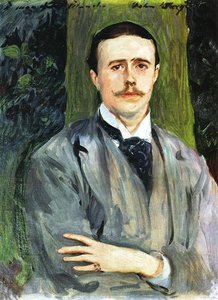
Jacques-Émile Blanche
1861 - 1942 , France
Quick Facts
- Artistic Movement Or Style: Impressionism
- Artists Or Movements Influenced By This Artist: ['Thomas Gainsborough']
- Artists Who Influenced This Artist:
- Edouard Manet
- James McNeill Whistler
- Date Of Birth: January 1, 1861
- Date Of Death: September 30, 1942
- Full Name: Jacques Émile Blanche
- Nationality: French
- Notable Artworks:
- The Kreutzer Sonata
- Portrait of Marcel Proust
- Place Of Birth: Paris, France