 Preview
 Send
Send Share
Share
 Details

 Download
 Similars
 X-Ray
X-Ray Diaporama
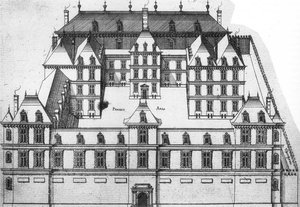
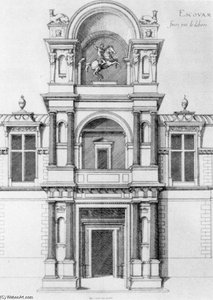
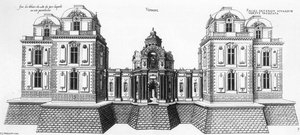
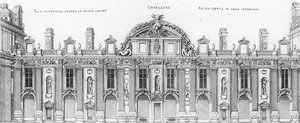
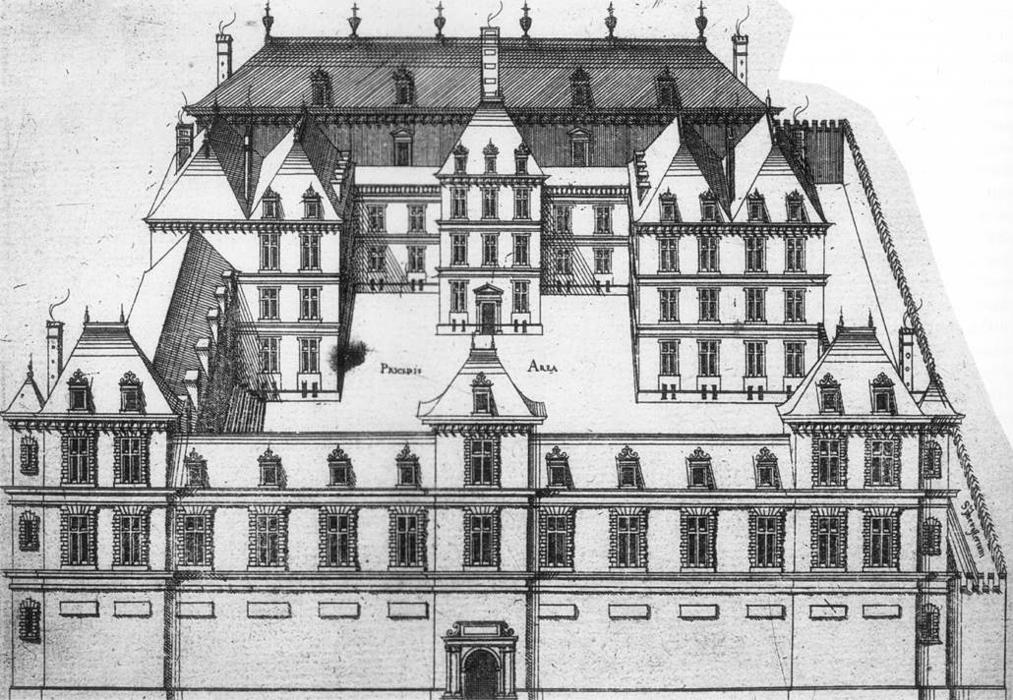
Design for a Town House


 Read More
Giclée / Art Print
Museum-quality giclée or canvas print with fast production and flexible finish options. ( Buy Hand Made Painting Buy Image)




































Pick from our preset sizes that match the artwork's original proportions.

You may enter your own dimensions to fit a specific frame or space. If your selected size does not match the original image's proportions, we will either crop the artwork or extend the image with a mirrored or solid-fill edge. A digital mockup will be sent for your approval before production begins.
Please note that the on-screen preview does not reflect the actual cropping or extension. Only the mockup will accurately show the final composition.
While custom sizes are available, we recommend selecting a dimension from the predefined list to preserve the original proportions.
Worldwide Delivery () in 2 weeks instead of standard 4/5 weeks. (26 August)

Free Worldwide Express Shipping

High-Quality Linen Canvas

Full Shipping Insurance

Customs Tax Refund Guarantee

True Color Matching Guarantee

60-Day Return Policy (Defects Only)

100% Money-Back Guarantee

Bulk Discount Offer
 Glass option is only available in size under 110 CM

Design for a Town House
Giclée / Art Print
Reproduction Size
-


Total Price
$ 63
Related Artworks
Artist Biography
Jacques I Androuet du Cerceau: Architect of a Renaissance Vision
The name Jacques I Androuet du Cerceau (1510-1584) may not be instantly familiar to the casual art enthusiast, yet his influence on the architectural landscape of 16th-century France is profound. More than simply an architect, he was a pivotal figure in introducing and adapting Renaissance principles to a nation steeped in Gothic tradition, a master of engraving who meticulously documented his designs, and a key player in shaping the aesthetic sensibilities of his era. His legacy resides not just in grand châteaux and urban planning schemes but also in the detailed drawings that offer an unparalleled glimpse into the creative process of a true polymath.
Born in Paris, Androuet’s early life remains somewhat shrouded in mystery. While he spent his formative years in Orléans, honing his skills under local artisans, it was his exposure to the burgeoning Italian Renaissance through connections like Georges d'Armagnac – an ambassador who had studied in Rome – that truly ignited his artistic vision. This connection provided him with access to the latest architectural innovations and a deep appreciation for classical forms, which he would subsequently translate into distinctly French designs. His career began modestly, securing commissions for decorative elements and furniture, but quickly ascended as he gained recognition for his innovative approach to building design.
The Architect of Courts: Château Designs and Urban Planning
Androuet’s most enduring contribution lies in the creation of numerous châteaux – grand residences that became symbols of aristocratic power and refined taste. He wasn't merely a builder; he was an orchestrator, meticulously crafting spaces that blended classical elegance with French sensibilities. The Château de Charleval, commissioned by the powerful Montmorency family, stands as a testament to his skill, showcasing a harmonious blend of Italian Renaissance influences and traditional French elements. Similarly, his involvement in the design of the Château de Verneuil, later acquired by Henry IV, demonstrates his ability to create spaces that were both visually stunning and functionally practical.
Beyond individual residences, Androuet played a significant role in urban planning. His designs for townhouses and public buildings reflected a growing interest in creating orderly, aesthetically pleasing cities – a departure from the chaotic medieval layouts of many French towns. His meticulous attention to detail extended beyond mere aesthetics; he considered the practical aspects of urban life, incorporating elements like drainage systems and street layouts into his plans.
The Art of Documentation: Engravings as Architectural Manifestos
What truly distinguishes Androuet from other architects of his time is his mastery of engraving. He didn’t simply design buildings; he meticulously documented them through a series of detailed engravings, collectively known as *Les plus excellents bâtiments de France* (The Most Excellent Buildings of France). This ambitious project, published between 1576 and 1579, served not only as a portfolio of his work but also as an invaluable resource for architects and builders across Europe. These engravings were revolutionary in their scope and precision, offering unprecedented insights into the construction techniques and decorative elements employed during the Renaissance.
Each engraving was more than just a representation; it was a carefully considered study, capturing not only the exterior appearance of a building but also its interior details, furniture arrangements, and decorative schemes. The level of detail is astonishing – from the intricate carvings on a fireplace to the precise placement of columns – providing a remarkably comprehensive record of Renaissance design principles.
A Legacy Shaped by Influence
Androuet’s influence extended far beyond his own lifetime. His engravings were widely copied and disseminated, shaping the tastes of architects and designers throughout Europe, particularly in Antwerp, where they fueled the burgeoning Northern Mannerist style. His work served as a crucial bridge between Italian Renaissance ideals and French artistic traditions, contributing significantly to the development of a distinctly French architectural vocabulary.
Furthermore, his family continued his legacy for generations. His son, Baptiste Androuet du Cerceau, carried on the tradition of designing châteaux and urban spaces, while other members of the family pursued careers in goldsmithing and engraving. Jacques I Androuet du Cerceau remains a vital figure in understanding the transition from Gothic to Renaissance architecture in France – an architect who not only built beautiful buildings but also meticulously documented his vision for posterity.
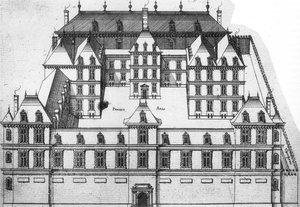
jacques i androuet du cerceau (the elder)
1515 - 1584
Quick Facts
- Artistic Movement Or Style: Renaissance Architecture
- Artists Or Movements Influenced By This Artist:
- Northern Mannerism
- Antwerp Designers
- Artists Who Influenced This Artist:
- Pierre Lescot
- Philibert Delorme
- Jean Bullant
- Date Of Birth: 1510
- Date Of Death: 1584
- Full Name: Jacques I Androuet du Cerceau
- Nationality: French
- Notable Artworks:
- Écouen Château
- Charleval Château
- Verneuil Château
- Place Of Birth: Paris, France