 Preview
 Send
Send Share
Share
 Details

 Download
 Similars
 X-Ray
X-Ray Diaporama
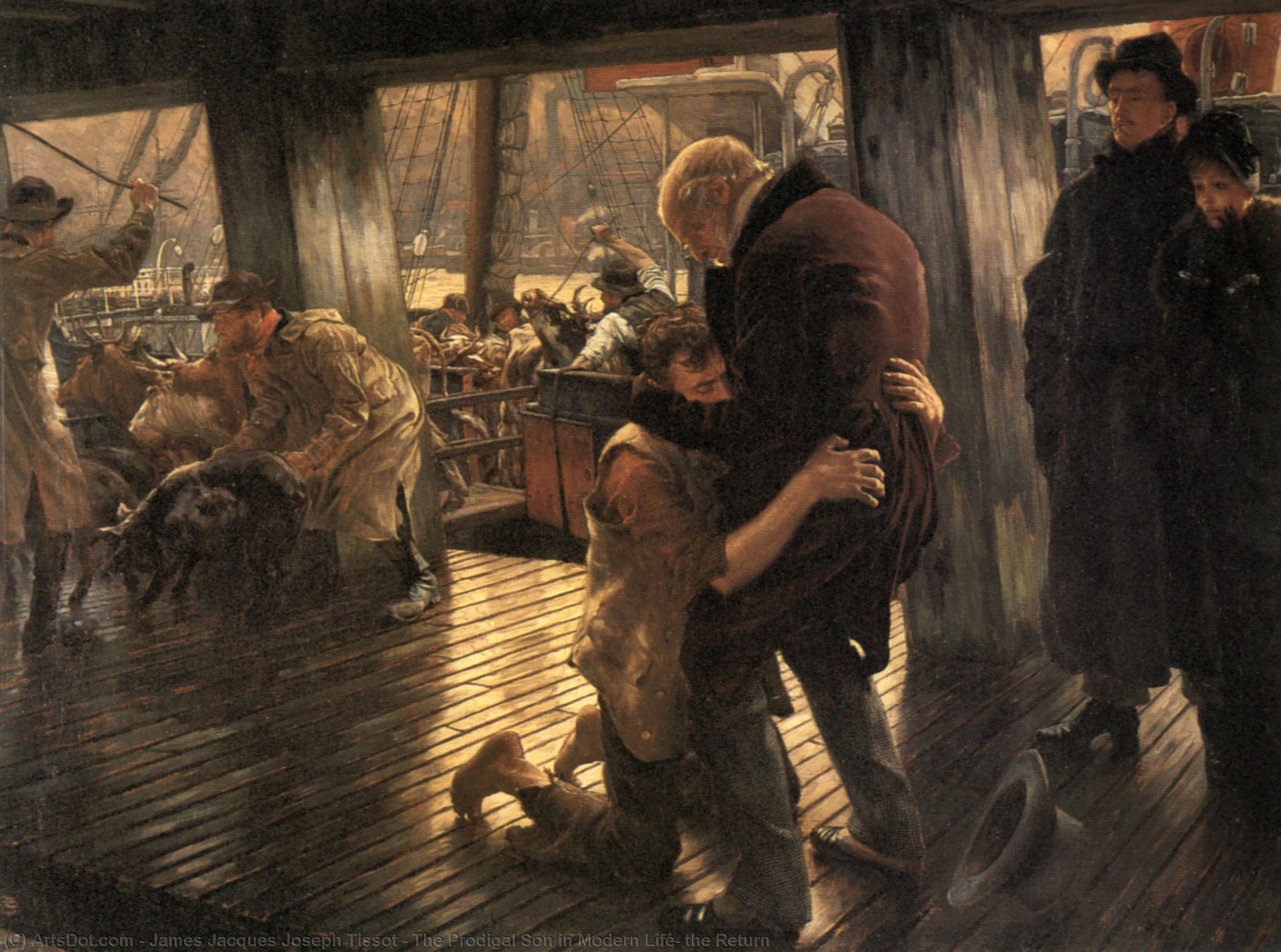
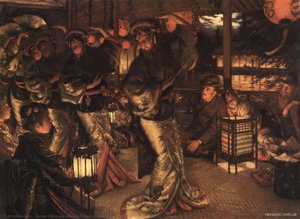
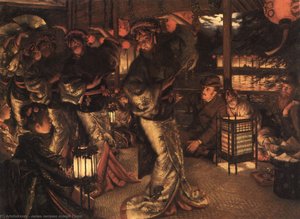
The Prodigal Son in Modern Life: the Return


 Read More
Hand Made Oil Reproduction
Hand-painted oil on canvas in your size and frame, made to order by our artists. ( Buy Print Buy Image)




P118B $10

P118H $10

P118W $10

P438Z $10

P508JH $12

P508YH $12

P805H $10

P805Z $10

P919BZ $10

P919G $10

P919XJ $10

P959ZH $10

P968JZ $12

W106C $8

W218G $10

W218JH $8

W218Y $10

W307PJ $10

W316G $10

W316PJ $8

W316Y $10

W398PJ $8

W4111J $10

W500HY $15

W500JH $15

W692G $12

W849H $8

W940BG $15

W953PJ $8




Pick from our preset sizes that match the artwork's original proportions.

You may enter your own dimensions to fit a specific frame or space. If your selected size does not match the original image's proportions, we will either crop the artwork or extend the painting with additional hand-painted elements. A digital mockup will be sent for your approval before production begins.
Please note that the on-screen preview does not reflect the actual cropping or extension. Only the mockup will accurately show the final composition.
While custom sizes are available, we recommend selecting a dimension from the predefined list to preserve the original proportions.
After order, ArtsDot.com team will email client for instructions and provide a mockup preview
Worldwide Delivery () in 3/4 weeks instead of standard 5 weeks. (20 August). No compromise on quality.

Free Worldwide Express Shipping

High-Quality Linen Canvas

Full Shipping Insurance

Customs Tax Refund Guarantee

True Color Matching Guarantee

60-Day Return Policy (Defects Only)

100% Money-Back Guarantee

Bulk Discount Offer
 Glass option is only available in size under 110 CM

The Prodigal Son in Modern Life: the Return
Reproduction Medium
Reproduction Size
-


Total Price
$ 263
Artwork Description
The Prodigal Son in Modern Life: The Return – A Tapestry of Redemption
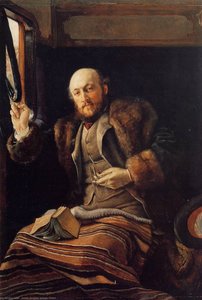
- James Jacques Joseph Tissot’s “The Prodigal Son in Modern Life: The Return,” painted in 1882, is more than a biblical scene; it's a poignant meditation on forgiveness, familial bonds, and the enduring human struggle between excess and redemption. Housed within the prestigious Musée des Beaux-Arts in Nantes, France, this oil on canvas masterpiece exemplifies Tissot’s meticulous attention to detail and his ability to imbue historical narratives with a strikingly contemporary sensibility. The painting captures a pivotal moment – the reunion of a father and son after a period of profound separation, rendered with an emotional depth that continues to resonate with viewers today.
- Tissot's skill lies in his masterful use of realism. He doesn’t simply depict the scene; he constructs it with painstaking precision. The figures are rendered with remarkable accuracy, their expressions conveying a complex range of emotions – from the son’s palpable shame and remorse to the father’s overwhelming relief and acceptance. The inclusion of seemingly mundane details—a dog attentively watching the proceedings, a clock marking the passage of time, bottles adding a touch of domesticity—elevates the painting beyond a mere illustration, transforming it into a richly layered tableau of human experience.
A Masterclass in Technique – Oil on Canvas and Expressive Brushwork
- The painting’s foundation is its medium: oil on canvas. This choice allows Tissot to achieve the luminous, rich colors characteristic of his work, capturing the subtle nuances of light and shadow with remarkable skill. The bold, expressive brushstrokes are not merely decorative; they actively contribute to the emotional impact of the scene. Notice how the artist uses thicker impasto in areas like the father’s face, emphasizing his weathered features and conveying a sense of profound emotion.
- Tissot's compositional choices further enhance the painting's power. The central placement of the embracing figures draws the viewer’s eye immediately to this core moment of reconciliation. The surrounding group of people – some close, some distant – subtly reinforces the theme of acceptance and the gradual reintegration of the prodigal son into his family and community. The careful arrangement creates a dynamic sense of movement and invites the viewer to become an active participant in the scene.
Symbolism and Context – A Modern Parable
- “The Prodigal Son in Modern Life: The Return” is not simply a retelling of a biblical story; it’s a commentary on human nature itself. The painting speaks to the universal themes of repentance, forgiveness, and the enduring power of familial love. The inclusion of objects like the clock serves as a potent symbol of time – lost time, wasted time, and the opportunity for redemption.
- Painted in 1882, during a period of significant social and artistic change, Tissot’s work reflects the growing interest in realism and psychological depth within French art. The painting's contemporary setting—a gathering of people rather than a formal biblical scene—suggests that the parable’s message is timeless and universally relevant, regardless of cultural or historical context.
A Legacy of Detail – Reproduction Possibilities
- ArtsDot.com offers meticulously crafted hand-painted reproductions of “The Prodigal Son in Modern Life: The Return,” ensuring that you possess a faithful representation of this iconic artwork. Our skilled artisans employ the same techniques and materials as Tissot, capturing every nuance of color, texture, and brushwork.
- Whether for your home, office, or collection, a ArtsDot.com reproduction provides an authentic connection to one of James Jacques Joseph Tissot’s most celebrated works – a timeless testament to the enduring power of forgiveness and reconciliation.
Related Artworks
Artist Biography
Early Life and Artistic Beginnings
Jacques Joseph Tissot, born October 15, 1836, in Nantes, France, was destined for a life steeped in artistic passion from his earliest years. His father, a drapery merchant, instilled in him an appreciation for craftsmanship and detail—qualities that would profoundly shape his artistic vision. Simultaneously, his mother, a milliner, nurtured his sensitivity to beauty and fashion, exposing him to the vibrant world of Parisian society. Despite familial responsibilities, Tissot relentlessly pursued his artistic ambitions, enrolling at the École des Beaux-Arts in Paris where he honed his skills under the tutelage of luminaries like Ingres, Flandrin, and Lamothe. This formative period cemented his commitment to painting as a vocation and established him firmly within the influential Parisian art milieu.The Salon Years and Recognition
Tissot’s debut at the Paris Salon in 1861 marked a pivotal moment—the unveiling of “The Meeting of Faust and Marguerite,” a dramatic tableau that captivated audiences and garnered considerable acclaim from critics. Purchased by the state for inclusion in the Luxembourg Gallery, this ambitious undertaking signaled Tissot's burgeoning reputation as a painter capable of capturing complex narratives and conveying profound emotion. Subsequent Salon exhibitions solidified his position within the artistic establishment, showcasing his evolving style and attracting commissions from prominent patrons. His early successes fueled confidence and propelled him toward exploring new subjects and techniques—a trajectory that would ultimately define his illustrious career.Genre Painting and Parisian Society
Tissot’s artistic breakthrough arrived with his series “La Femme à Paris,” a meticulously observed depiction of the demi-mondaine world of late Victorian London. These paintings, characterized by their luminous color palettes and masterful rendering of textures—particularly fabrics—became synonymous with capturing the allure and dynamism of Parisian high society. Tissot's meticulous attention to detail extended beyond mere visual representation; he sought to convey not only appearances but also psychological nuances, reflecting the anxieties and aspirations of his subjects. His work stands as a testament to Impressionistic influences blended with realism, offering an unparalleled glimpse into the social customs and artistic sensibilities of the Belle Époque.Biblical Themes and Japonisme
Throughout his prolific output, Tissot embraced diverse artistic inspirations—ranging from medieval narratives to biblical scenes—demonstrating remarkable versatility. His depictions of religious subjects, imbued with spiritual depth and emotional resonance, showcased his ability to elevate visual storytelling into profound contemplation. Simultaneously, he was captivated by Japonisme—the fascination with Japanese art and aesthetics that swept across Europe during the Victorian era—evident in compositions infused with asymmetrical arrangements and subtle color harmonies reminiscent of Japanese prints. This stylistic fusion underscored Tissot’s intellectual curiosity and his willingness to experiment with innovative artistic approaches.Later Years and Legacy
Tissot's life took a dramatic turn when he enlisted in the Franco-Prussian War, serving on the French side—an experience that undoubtedly shaped his worldview. Following the war’s conclusion, he relocated to London where he pursued etching alongside Sir Seymour Haden and honed his artistic skills through portrait commissions and caricatures for Vanity Fair. His relationship with Kathleen Newton blossomed into a passionate companionship, providing him with enduring inspiration for numerous paintings. Tragically, Newton succumbed to tuberculosis in 1882—a profound loss that deeply affected Tissot’s creative output. Despite this sorrowful chapter, he continued to produce exceptional artwork until his death in 1902. Today, Jacques Joseph Tissot's legacy resides in museums across Europe and North America—most notably the Musée National Jean-Jacques Henner in Paris—where his celebrated paintings continue to inspire admiration for their artistic brilliance and evocative portrayal of Victorian life and faith. His enduring influence on genre painting and Impressionism secures his place as one of France’s most distinguished artists of the 19th century.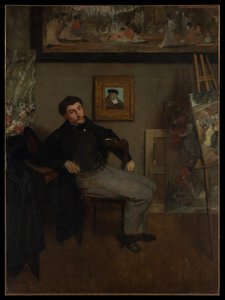
jacques joseph tissot
1836 - 1902 , France
Quick Facts
- Artistic Movement Or Style: Genre Painting
- Artists Or Movements Influenced By This Artist: ['Impressionism']
- Artists Who Influenced This Artist:
- Jean-Auguste Ingres
- Gustave Courbet
- Date Of Birth: October 15, 1836
- Date Of Death: August 8, 1902
- Full Name: Jacques Joseph Tissot
- Nationality: French
- Notable Artworks:
- The Meeting of Faust and Marguerite
- La Femme à Paris
- Place Of Birth: Nantes, France
Related Articles

Giclée Prints: Archival Quality & Aesthetic Nuances for the Discerning Collector
Explore the world of giclée prints with ArtsDot. Learn about archival quality, aesthetic nuances & investment potential. Expert guidance for discerning art collectors seeking museum-quality reproductions and lasting value.

The Enduring Legacy of Fine Art Prints: Technique, History & Aesthetic Impact
Explore the rich history & techniques of fine art prints. Discover investment potential, assess authenticity, and learn how to preserve your collection with expert guidance. Trusted insights for discerning collectors.

Echoes of Time: Exploring the Enduring Appeal & Historical Context of Vintage Art Prints
Explore the captivating world of vintage art prints! Discover their history, collecting tips & enduring appeal. Expert insights on chromolithography and building a legacy collection with ArtsDot.

The Enduring Legacy of Oil on Canvas: Technique, History & Aesthetic Impact
Explore the rich history & techniques of oil painting – from Renaissance masters to Impressionism. Discover pigments, layering methods, and why this timeless medium endures. Expert insights for artists & art enthusiasts.

Oil on Canvas: A Historical & Technical Exploration of a Timeless Artistic Medium
Explore the rich history & enduring techniques of oil painting on canvas. Discover the science behind its longevity, conservation practices, and contemporary relevance. Expert insights for art enthusiasts.