 Preview
 Send
Send Share
Share
 Details

 Download
 Similars
 X-Ray
X-Ray Diaporama
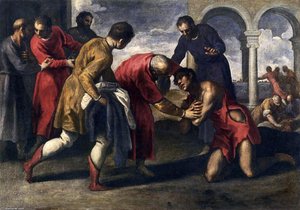
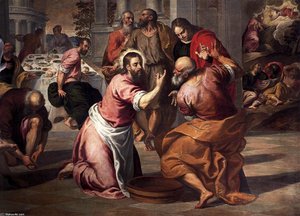
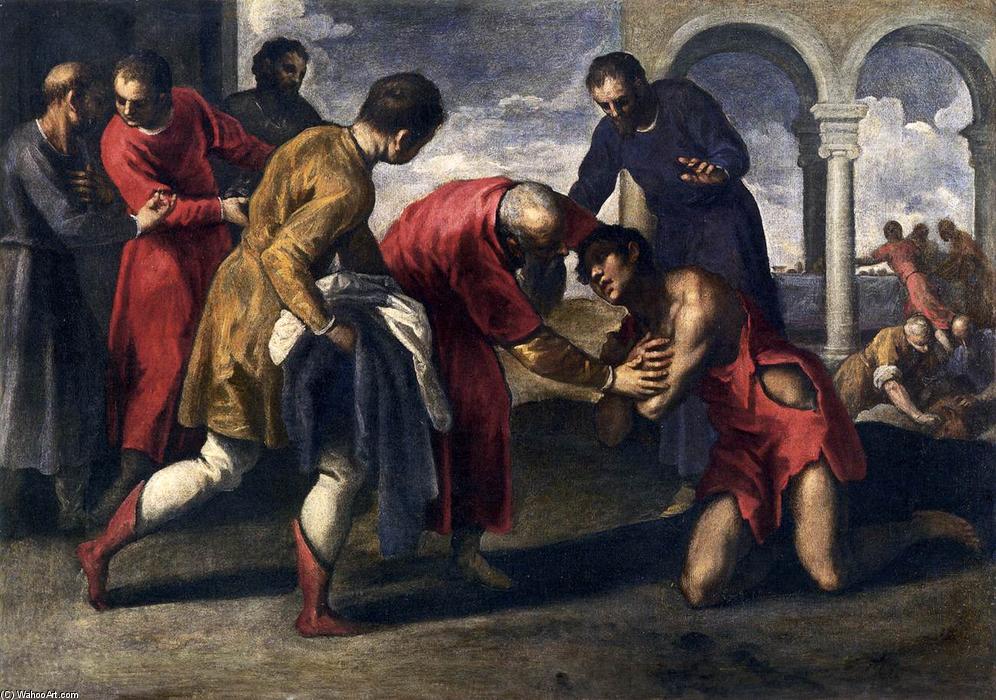
Return of the Prodigal Son
 Oil On Canvas
- WallArt
- Baroque
 1595
1595 83.0 x 118.0 cm
 Gallerie dell'Accademia
 Read More
Hand Made Oil Reproduction
Hand-painted oil on canvas in your size and frame, made to order by our artists. ( Buy Print Buy Image)




P118B $10

P118H $10

P118W $10

P438Z $10

P508JH $12

P508YH $12

P805H $10

P805Z $10

P919BZ $10

P919G $10

P919XJ $10

P959ZH $10

P968JZ $12

W106C $8

W218G $10

W218JH $8

W218Y $10

W307PJ $10

W316G $10

W316PJ $8

W316Y $10

W398PJ $8

W4111J $10

W500HY $15

W500JH $15

W692G $12

W849H $8

W940BG $15

W953PJ $8




Pick from our preset sizes that match the artwork's original proportions.

You may enter your own dimensions to fit a specific frame or space. If your selected size does not match the original image's proportions, we will either crop the artwork or extend the painting with additional hand-painted elements. A digital mockup will be sent for your approval before production begins.
Please note that the on-screen preview does not reflect the actual cropping or extension. Only the mockup will accurately show the final composition.
While custom sizes are available, we recommend selecting a dimension from the predefined list to preserve the original proportions.
After order, ArtsDot.com team will email client for instructions and provide a mockup preview
Worldwide Delivery () in 3/4 weeks instead of standard 5 weeks. (16 August). No compromise on quality.

Free Worldwide Express Shipping

High-Quality Linen Canvas

Full Shipping Insurance

Customs Tax Refund Guarantee

True Color Matching Guarantee

60-Day Return Policy (Defects Only)

100% Money-Back Guarantee

Bulk Discount Offer
 Glass option is only available in size under 110 CM

Return of the Prodigal Son
Reproduction Medium
Reproduction Size
-


Total Price
$ 413
Artwork Description
A Venetian Vision of Judgment: Palma Giovane’s ‘Return of the Prodigal Son’
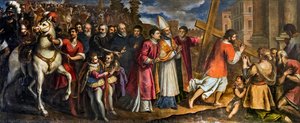
Palma Giovane’s “Return of the Prodigal Son,” completed in 1595, stands as a cornerstone of Venetian Baroque art—a testament to the artistic fervor that gripped Venice during its zenith. Housed within the Gallerie dell'Accademia in Venice, Italy, this monumental oil on canvas (83 x 118 cm) transcends mere depiction; it embodies a profound exploration of faith, repentance, and divine forgiveness, rendered with breathtaking skill and emotional resonance.Style and Composition: Bridging Tradition
Giovane’s artistic lineage is inextricably linked to the titans of Venetian painting—Titian and Tintoretto—a connection that profoundly shaped his stylistic approach. Like Tintoretto, he embraced dramatic lighting and dynamic composition, prioritizing movement and gesture to convey intense emotion. However, Giovane skillfully tempered Tintoretto's theatrical flair with Titian’s masterful use of color and tonal subtlety, resulting in a harmonious blend that distinguishes him as a singular voice within the Venetian School. The canvas is dominated by diagonal lines emanating from the figures’ stances, creating an arresting sense of instability and urgency—a characteristic hallmark of Baroque aesthetics designed to captivate the viewer's gaze.Technique: Color, Texture, and Light
Giovane’s technique exemplifies the meticulous craftsmanship demanded by Venetian art patrons. He employed broad brushstrokes to build up layers of pigment, achieving remarkable textural richness – particularly evident in the drapery of the father figure and the folds of the son's garments. The artist skillfully manipulated light and shadow, casting dramatic highlights that illuminate key elements within the scene while simultaneously deepening the emotional impact. Giovane’s palette leans heavily on earthy tones—russet reds, ochres, and browns—contrasting powerfully with brighter accents of crimson and ultramarine blue, creating a visual symphony that underscores the solemnity of the narrative. The meticulous attention to detail reflects the prevailing artistic ideals of the period: realism infused with spiritual contemplation.Symbolism: A Biblical Narrative Illuminated
The painting’s symbolism speaks volumes about its theological core. At its center lies the kneeling prodigal son, representing humility and submission before divine grace—a gesture mirroring Christ's posture during his Passion. The father’s outstretched hand symbolizes forgiveness and reconciliation, embodying God’s boundless compassion for repentant sinners. Surrounding figures serve as observers of this pivotal moment, emphasizing the universality of faith and judgment. The arched architectural backdrop evokes a courtroom or sacred space, reinforcing the narrative’s legalistic dimension—a deliberate allusion to biblical law and divine retribution. Giovane's masterful portrayal elevates the familiar tale of repentance into an unforgettable visual experience.Historical Context: Venice at the Height of Artistic Glory
“Return of the Prodigal Son” emerged during a period of unparalleled artistic innovation in Venice, fueled by papal patronage and burgeoning humanist ideals. Following Tintoretto’s death in 1594, Palma Giovane ascended to prominence as Venice's foremost painter, inheriting Tintoretto’s legacy and establishing himself as a champion of Venetian Baroque style. The painting reflects the broader cultural preoccupation with religious themes—a response to the Reformation and an affirmation of Catholic piety—demonstrating Venice’s enduring influence on European artistic sensibilities. Its inclusion in the Gallerie dell'Accademia ensures its place within the canon of Venetian art history, inviting viewers to contemplate its timeless beauty and profound spiritual significance.Where to Explore Further
For a deeper understanding of Palma Giovane and his oeuvre, visit /art/list/?Filter=8XZSTP-Palma-Giovane-Return-of-the-Prodigal-Son. You can also delve into the Gallerie dell'Accademia’s collection on Wikipedia: https://en.wikipedia.org/wiki/Gallerie_dell%27Accademia. Consider commissioning a handmade oil painting reproduction at https://ArtsDot.com to bring this masterpiece into your home.Related Artworks
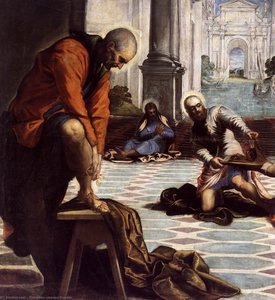
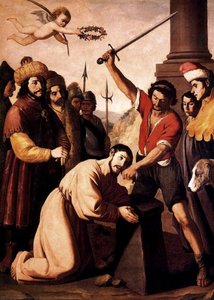
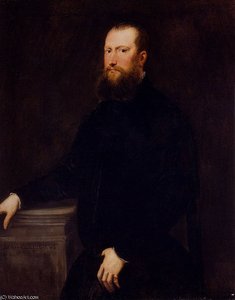
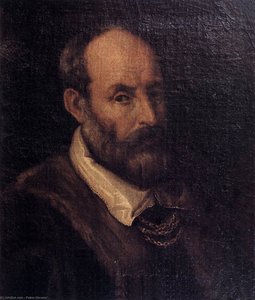
Artist Biography
The Radiant Legacy of Jacopo Palma il Giovane
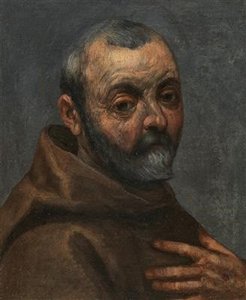
In the golden twilight of the Venetian Renaissance, a period defined by unparalleled mastery of color and light, there emerged a painter whose brush bridged the gap between the High Renaissance and the burgeoning drama of the Baroque. Jacopo Palma il Giovane, born Iacopo Negretti around 1548, was not merely a successor to the great masters but a vital link in the continuity of the Venetian School. As the great-nephew of the celebrated Palma Vecchio, he was born into a lineage of artistic excellence, inheriting a profound understanding of the chromatic richness that defines the Venetian tradition. His life and work represent a seamless transition, carrying the luminous elegance of his predecessors into a new era of emotional intensity and theatrical grandeur.
The foundations of Palma’s artistry were laid in the workshops of Venice, where the air was thick with the legacies of Titian and Tintoretto. While historical accounts suggest he may have polished his technique through the study of Titian’s breathtaking color palettes, it was the dynamic energy of Tintoretto that truly shaped his mature vision. Following the death of Tintoretto in 1594, Palma il Giovane ascended to a position of preeminence, becoming the dominant artistic force in Venice. He possessed a rare ability to synthesize these two disparate influences: from Titian, he drew a sophisticated command of light and skin tones; from Tintoretto, he adopted a sense of movement, dramatic chiaroscuro, and narrative urgency that resonated deeply with the religious fervor of the Counter-Reformation.
A Master of Narrative and Emotion
Palma il Giovane’s oeuvre is a testament to his ability to transform biblical and mythological themes into visceral human experiences. His paintings are rarely static; they pulse with a life force that draws the viewer into the heart of the drama. Whether depicting the solemnity of a religious martyrdom or the lively chaos of a tavern scene, his work utilizes light as a narrative tool, guiding the eye through complex compositions to find the emotional core of the story. His mastery is particularly evident in works such as Martyrdom of St Catherine of Alexandria, where the interplay of shadow and brilliance heightens the sense of divine struggle, and Apostles at the Virgin's Tomb, which captures a profound moment of collective grief through sweeping, energetic brushwork.
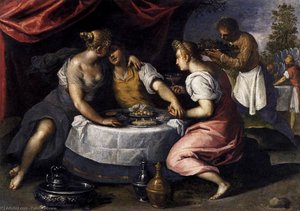
Beyond his religious commissions, Palma’s versatility allowed him to explore a wide spectrum of subject matter. His talent for capturing the human spirit is perhaps most intimately seen in his Self-Portrait, a work that reveals a soulful introspection and a technical prowess capable of rendering the subtle nuances of expression. Even in more secular or anecdotal scenes, such as the Amusements of the Prodigal Son, he maintains a vibrant, rhythmic quality that celebrates the textures and colors of Venetian life. This ability to oscillate between the profound and the playful ensured his relevance across various patronage circles, from the ecclesiastical authorities of Venice to the imperial courts of Central Europe.
Historical Significance and Enduring Influence
The historical importance of Jacopo Palma il Giovane extends far beyond the borders of the Venetian Republic. His influence radiated outward, reaching as far as Bergamo and the court of Emperor Rudolf II in Prague, marking him as an artist of international stature. He did not merely replicate the past; he evolved it, preparing the ground for the more emotive and dramatic styles that would define the 17th century. By mentoring subsequent generations, including figures who would further refine the Venetian aesthetic, he ensured that the traditions of his lineage remained vibrant and transformative.
Today, we recognize Palma il Giovane as a pivotal figure whose work serves as a bridge between eras. His legacy is found in:
- The Synthesis of Styles: The seamless integration of Titian’s coloristic brilliance with Tintoretto’s dramatic dynamism.
- Counter-Reformation Artistry: The use of powerful imagery to communicate the spiritual intensity required by the Catholic Church during a period of profound religious change.
- The Continuation of the Venetian School: Maintaining Venice's status as a global epicenter of art through his widespread commissions and pedagogical influence.
Through his expressive brush and masterful use of light, Palma il Giovane captured the very essence of a changing world, leaving behind a body of work that continues to enchant and move the modern observer.
jacopo palma il giovane
1548 - 1628 , Italy
Quick Facts
- Artistic Movement Or Style: Venetian School
- Artists Or Movements Influenced By This Artist: ['Giovanni Antonio Canal']
- Artists Who Influenced This Artist:
- Titian
- Tintoretto
- Date Of Birth: Venice, Italy (1548)
- Date Of Death: 1628
- Full Name: Jacopo Palma il Giovane
- Nationality: Italian
- Notable Artworks:
- Lot and his Daughters
- Saint Justina of Padua Enthroned
- Place Of Birth: Venice
Related Articles
Jacopo Palma il Giovane: A Venetian Master's Poetic Evolution
Explore the captivating world of Jacopo Palma il Giovane, a pivotal Venetian Renaissance master. Discover his unique style, influenced by Titian & Tintoretto, and learn about key works perfect for discerning collectors.

Baroque Drama: Bringing Opulence & Emotion into Contemporary Interiors
Explore the opulent world of Baroque interior design! Discover key elements, modern applications & how to bring dramatic elegance into your home with 's authentic reproductions.

The Dramatic Flourish: Exploring the Baroque Movement's Enduring Legacy in Art History
Explore the dramatic world of Baroque art! Discover iconic artists like Caravaggio & Rubens, defining techniques, and its lasting impact on art history. Expert insights for collectors & enthusiasts at ArtsDot.

Baroque Masterpieces: 10 Paintings That Defined an Era |
Journey through the drama & grandeur of Baroque art! Explore 10 masterpieces by Caravaggio, Rembrandt, Rubens & more. Discover stunning oil paintings, rich colors & timeless stories. Find museum-quality reproductions at .

Jacopo Tintoretto's Masterpieces: 25 Paintings That Define Venetian Drama | ArtsDot
Explore 25 breathtaking masterpieces by Jacopo Tintoretto, the Venetian master of drama and light. Discover the stories behind iconic Renaissance paintings & find museum-quality art reproductions to elevate your home decor on ArtsDot.com.