 Preview
 Send
Send Share
Share
 Details

 Download
 Similars
 X-Ray
X-Ray Diaporama
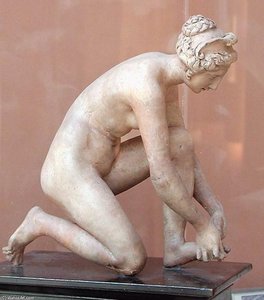
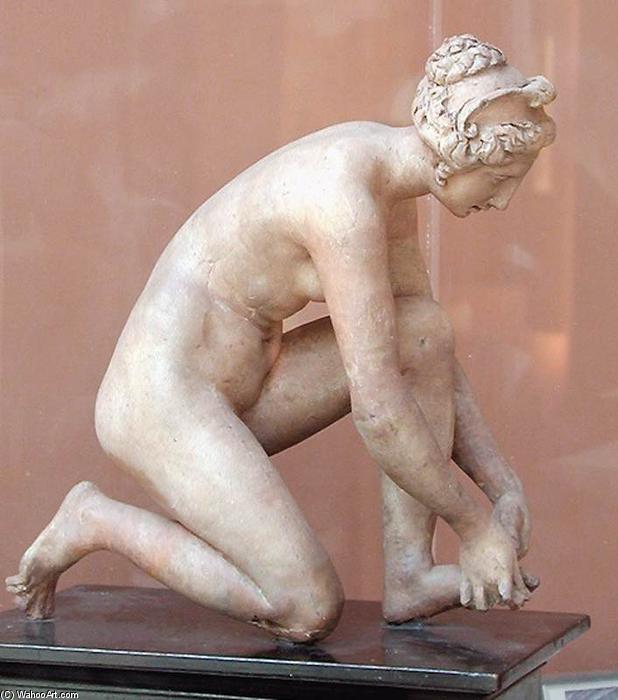
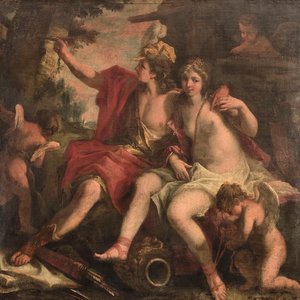
La Tireuse d'épine (The Thorn Remover)

 Read More
Hand Made Oil Reproduction
Hand-painted oil on canvas in your size and frame, made to order by our artists. ( Buy Print Buy Image)




































Pick from our preset sizes that match the artwork's original proportions.

You may enter your own dimensions to fit a specific frame or space. If your selected size does not match the original image's proportions, we will either crop the artwork or extend the painting with additional hand-painted elements. A digital mockup will be sent for your approval before production begins.
Please note that the on-screen preview does not reflect the actual cropping or extension. Only the mockup will accurately show the final composition.
While custom sizes are available, we recommend selecting a dimension from the predefined list to preserve the original proportions.
After order, ArtsDot.com team will email client for instructions and provide a mockup preview
Worldwide Delivery () in 3/4 weeks instead of standard 5 weeks. (21 August). No compromise on quality.

Free Worldwide Express Shipping

High-Quality Linen Canvas

Full Shipping Insurance

Customs Tax Refund Guarantee

True Color Matching Guarantee

60-Day Return Policy (Defects Only)

100% Money-Back Guarantee

Bulk Discount Offer
 Glass option is only available in size under 110 CM

La Tireuse d'épine (The Thorn Remover)
Reproduction Medium
Reproduction Size
-


Total Price
$ 263
Related Artworks
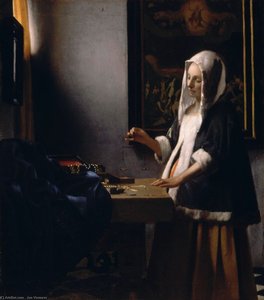
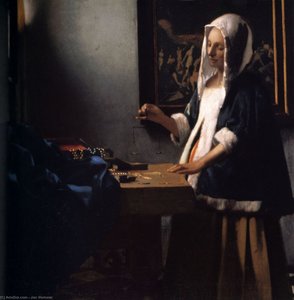
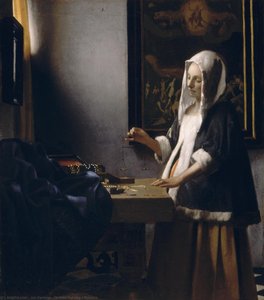
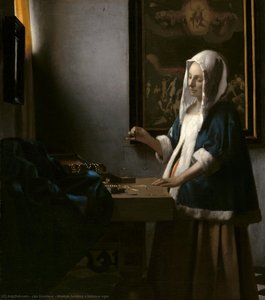

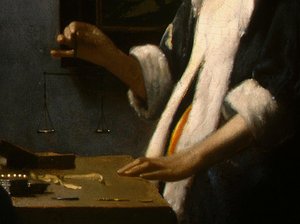
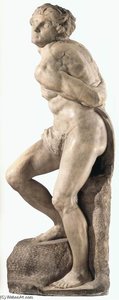
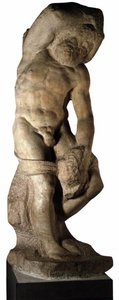
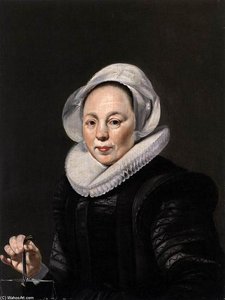
Artist Biography
A Sculptor of Souls: The Life and Art of Jacquiot Ponce
Born in the small town of Rethel, France, in 1527, Jacquiot Ponce emerged from a period steeped in artistic transition. While the High Renaissance had begun to wane, its echoes resonated throughout Europe, mingling with burgeoning Mannerist sensibilities and the early stirrings of Baroque drama. Little is definitively known about his formative years; records are scarce, leaving much of his personal history shrouded in mystery. However, the very nature of his surviving work suggests a meticulous apprenticeship, likely within a workshop specializing in funerary sculpture – a craft deeply entwined with religious devotion and aristocratic patronage during the 16th century. The numerous variations of his name—Jacquiau, Jacquin, Jacquio, Ponsio, Ponzio—further complicate tracing his life, hinting at a mobile existence perhaps serving different patrons across France. What *is* clear is that Ponce quickly distinguished himself as an artist capable of imbuing stone with remarkable emotional depth and narrative power.From Tombstones to Tender Scenes: A Unique Artistic Voice
Ponce’s reputation rests primarily on his exquisitely detailed tomb sculptures, commissioned by prominent families for churches and cathedrals throughout France. These were not merely monuments to the deceased; they were carefully constructed statements of faith, lineage, and social standing. His *Tomb of Blondel*, a masterpiece housed in Saint-Denis Basilica near Paris, exemplifies this approach. The sculpture depicts Jean Blondel, treasurer of France, kneeling in prayer, his features rendered with striking realism and vulnerability. The surrounding figures—angels, saints, even allegorical representations of virtues—are not static adornments but active participants in a scene of spiritual contemplation. However, to categorize Ponce solely as a funerary sculptor would be a profound oversight. He possessed an unusual sensitivity for genre scenes, small-scale reliefs that captured moments of everyday life with poignant intimacy. His most celebrated work in this vein is *The Thorn Remover*, a delicate depiction of a young man carefully extracting a thorn from the foot of Christ. This scene, repeated in various iterations and sizes, transcends simple biblical illustration; it’s an exploration of compassion, human connection, and quiet suffering.Influences and Artistic Development
Identifying Ponce's direct artistic influences is a complex undertaking. He absorbed the prevailing styles of his time, demonstrating a clear understanding of Italian Renaissance masters like Michelangelo and Donatello in his anatomical precision and dramatic compositions. The influence of French sculpture, particularly the work of Jean Goujon, is also evident in his elegant forms and refined detailing. However, Ponce wasn’t merely an imitator; he synthesized these influences into something uniquely his own. His genre scenes, for example, reveal a nascent interest in naturalism that anticipates the Dutch Golden Age painters. The emotional intensity of *The Thorn Remover* sets it apart from the more formal religious art of its era. It's a work imbued with a psychological depth rarely seen in contemporary sculpture, suggesting an artist attuned to the inner lives of his subjects. His development appears to have moved from the grand scale and public function of tomb monuments towards smaller, more personal works that allowed for greater expressive freedom.Major Achievements and Lasting Legacy
Ponce’s major achievements lie not in groundbreaking stylistic innovations but in the exceptional quality and emotional resonance of his work. He was a master craftsman capable of transforming cold stone into figures brimming with life and feeling. His *Tomb of Blondel* remains a landmark example of French Renaissance sculpture, admired for its technical virtuosity and compelling narrative. The widespread popularity of *The Thorn Remover*, reproduced in numerous copies throughout the 16th and 17th centuries, testifies to its enduring appeal. This work, in particular, speaks to a broader cultural fascination with themes of sacrifice, redemption, and human empathy. While Ponce’s life ended prematurely in 1571, his artistic legacy continued to inspire generations of sculptors and artists. His ability to blend religious devotion with intimate human emotion secured his place as a significant figure in the French Renaissance, bridging the gap between the formal grandeur of the High Renaissance and the more expressive styles that would come to define the Baroque period. His work offers a compelling glimpse into the artistic sensibilities of 16th-century France—a time of profound religious upheaval, social change, and burgeoning artistic creativity.Rediscovering Jacquiot Ponce
- A Sculptor for the Elite: His commissions reveal a clientele among the French nobility and high-ranking clergy.
- Genre Painting Pioneer: He was one of the first sculptors to elevate genre scenes—depictions of everyday life—to the level of fine art.
- The enduring appeal of his work continues to captivate audiences today, prompting ongoing scholarly research and appreciation.
jacquiot ponce
1527 - 1571 , France
Quick Facts
- Artistic Movement Or Style: Renaissance Sculpture
- Artists Or Movements Influenced By This Artist: ['Classical Roman Style']
- Artists Who Influenced This Artist: ['Michelangelo']
- Date Of Birth: Rethel, France (1527)
- Date Of Death: 1571
- Full Name: Jacquiot Ponce
- Nationality: French
- Notable Artworks:
- Tomb of Blondel de Rocquencourt
- La Tireuse d'épine
- Place Of Birth: France