 Preview
 Send
Send Share
Share
 Details

 Download
 Similars
 X-Ray
X-Ray Diaporama
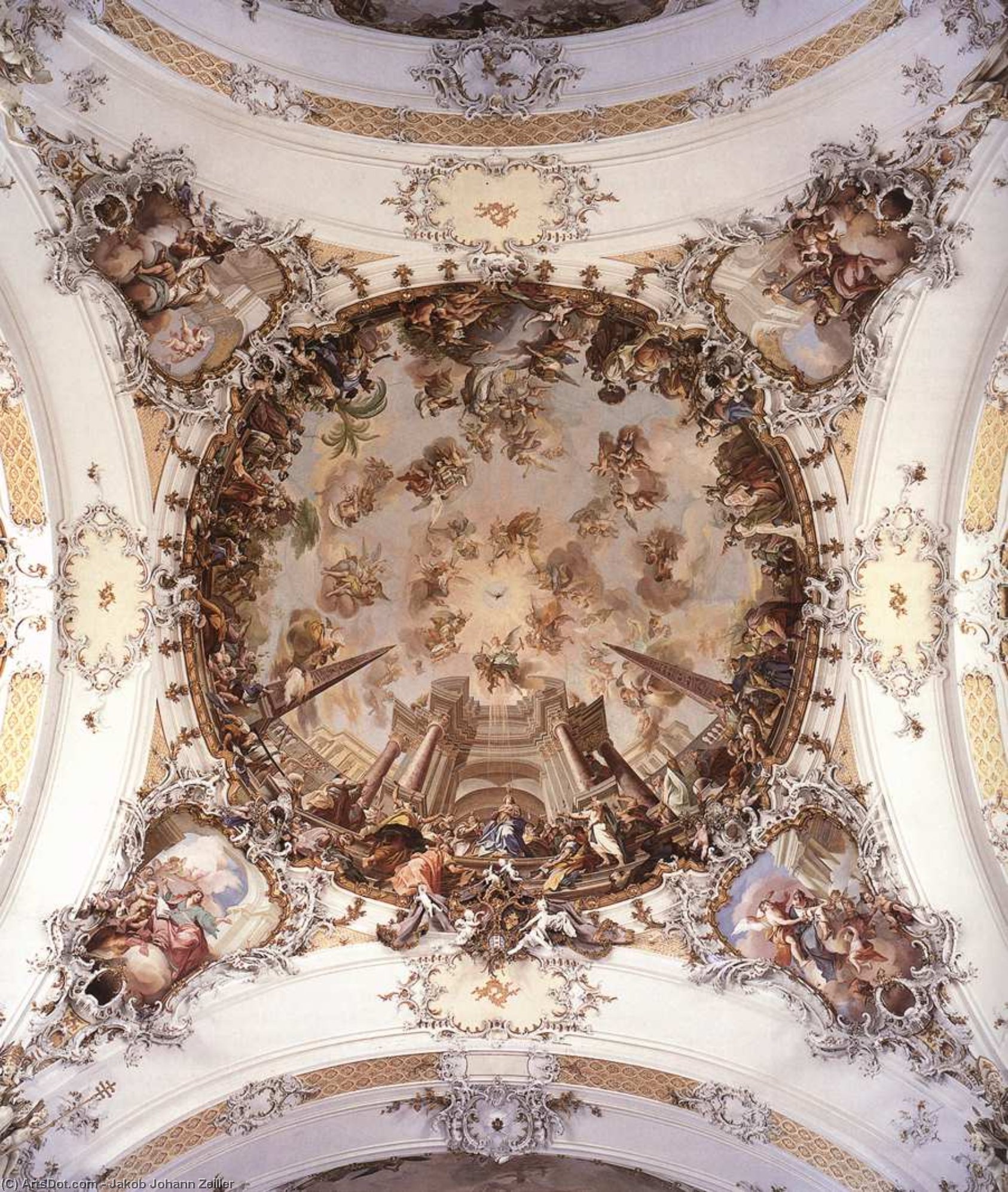
Ceiling fresco


 Read More
Giclée / Art Print
Museum-quality giclée or canvas print with fast production and flexible finish options. ( Buy Hand Made Painting Buy Image)




































Pick from our preset sizes that match the artwork's original proportions.

You may enter your own dimensions to fit a specific frame or space. If your selected size does not match the original image's proportions, we will either crop the artwork or extend the image with a mirrored or solid-fill edge. A digital mockup will be sent for your approval before production begins.
Please note that the on-screen preview does not reflect the actual cropping or extension. Only the mockup will accurately show the final composition.
While custom sizes are available, we recommend selecting a dimension from the predefined list to preserve the original proportions.
Worldwide Delivery () in 2 weeks instead of standard 4/5 weeks. (23 August)

Free Worldwide Express Shipping

High-Quality Linen Canvas

Full Shipping Insurance

Customs Tax Refund Guarantee

True Color Matching Guarantee

60-Day Return Policy (Defects Only)

100% Money-Back Guarantee

Bulk Discount Offer
 Glass option is only available in size under 110 CM

Ceiling fresco
Giclée / Art Print
Reproduction Size
-


Total Price
$ 63
Related Artworks


Artist Biography
A Master of Tyrol’s Baroque: The Life and Art of Jakob Johann Zeiller
Jakob Johann Zeiller, a name perhaps less familiar than some of his contemporaries, stands as a pivotal figure in the artistic landscape of 18th-century Austria. Born in Reutte, a small town nestled within the Tyrolean Alps in 1708, Zeiller’s journey from a humble upbringing to becoming an Imperial Court Painter is a testament to talent, dedication, and the patronage system that shaped European art during his era. His life was inextricably linked to his father, Paul Zeiller, also a painter, who instilled in young Jakob a love for artistic expression and provided him with his initial training – a foundation upon which he would build a distinguished career. This early exposure to the craft, combined with formal apprenticeships under renowned masters like Sebastiano Conca in Rome and Francesco Solimena in Naples, laid the groundwork for Zeiller’s distinctive style and technical proficiency.Early Training and Artistic Development
Zeiller's formative years were spent absorbing the diverse artistic currents of Italy. His time in Rome, beginning in 1723, exposed him to the grandeur of the Baroque and provided crucial experience in fresco painting – a medium he would master with exceptional skill. The influence of Sebastiano Conca, known for his dramatic compositions and vibrant colors, is evident in Zeiller’s early works. Subsequently, his apprenticeship with Francesco Solimena in Naples further broadened his artistic horizons. Solimena, celebrated for his dynamic figures and masterful use of light and shadow, imparted a sense of theatricality and emotional intensity that would become hallmarks of Zeiller's style. These experiences weren’t merely academic; they were transformative, shaping not only his technical abilities but also his artistic sensibilities.Vienna and Imperial Patronage
In 1733, Zeiller relocated to Vienna, a city at the heart of the Habsburg Empire – a center of art and culture that offered unparalleled opportunities for artists. He secured employment with Paul Troger, a prominent court painter known for his portraits and decorative works. This association proved invaluable, providing Zeiller with access to the imperial court and exposing him to the latest artistic trends. Crucially, it also allowed him to hone his skills in various techniques, including ceiling painting and altarpiece design. In 1737, a momentous achievement arrived: Zeiller was awarded the coveted title of Imperial Court Painter – a recognition that solidified his position within the Viennese art world and signaled the apex of his career. This elevation underscored the esteem held for his talent and marked a significant step in establishing him as a leading artist of his time.Frescoes: The Heart of Zeiller’s Legacy
Zeiller's artistic legacy is overwhelmingly defined by his prolific output of religious frescoes. He dedicated much of his career to adorning churches and monastic spaces throughout Tyrol and Bavaria with monumental works that served as both devotional images and expressions of architectural grandeur. His most celebrated commissions include the elaborate frescoes within the Ettal Abbey, a masterpiece of Bavarian Baroque architecture, and the stunning decorations in the Aldersbach Abbey. These projects demonstrate Zeiller’s ability to seamlessly integrate his artistic vision with the existing architectural context, creating immersive environments that evoked profound spiritual experiences. The intricate details, vibrant colors, and dynamic compositions of these frescoes reveal a masterful command of perspective, anatomy, and narrative storytelling – all hallmarks of a truly exceptional artist.Themes, Style, and Lasting Significance
Zeiller’s work is firmly rooted in the Baroque tradition, characterized by dramatic lighting, emotional intensity, and a penchant for theatrical composition. However, his style possesses a distinctly Tyrolean sensibility – a blend of Italian influence with local artistic traditions. His frescoes often depict scenes from the Bible or lives of saints, rendered with a remarkable attention to detail and a deep understanding of human psychology. The figures in Zeiller’s paintings are not merely static representations; they possess a palpable sense of movement, emotion, and spiritual depth. Beyond his technical skill, Zeiller's work reflects the religious fervor and artistic patronage prevalent during the 18th century. He represents a significant link between Italian Baroque painting and the development of art in Central Europe, leaving behind a rich legacy of frescoes that continue to inspire awe and admiration today. His contributions are particularly important for understanding the visual culture of Tyrol and Bavaria during this period. His work can be seen at locations such as Ottobeuren Abbey, where his dome fresco remains a stunning example of Baroque artistry.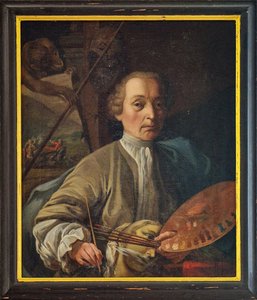
Jakob Johann Zeiller
1708 - 1783 , Austria
Quick Facts
- Artistic Movement Or Style: Baroque Fresco Art
- Artists Or Movements Influenced By This Artist:
- Troger
- Baroque Painting
- Artists Who Influenced This Artist:
- Paul Zeiller
- Sebastiano Conca
- Francesco Solimena
- Date Of Birth: 1708-07-08
- Date Of Death: 1783-07-08
- Full Name: Jakob Johann Zeiller
- Nationality: Austrian
- Notable Artworks:
- Aldersbach Abbey frescoes
- Ettal Abbey frescoes
- Ottobeuren dome fresco
- Place Of Birth: Reutte, Austria