 Preview
 Send
Send Share
Share
 Details

 Download
 Similars
 X-Ray
X-Ray Diaporama
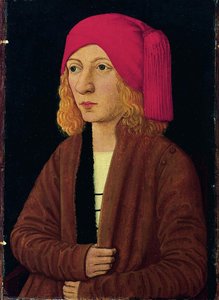
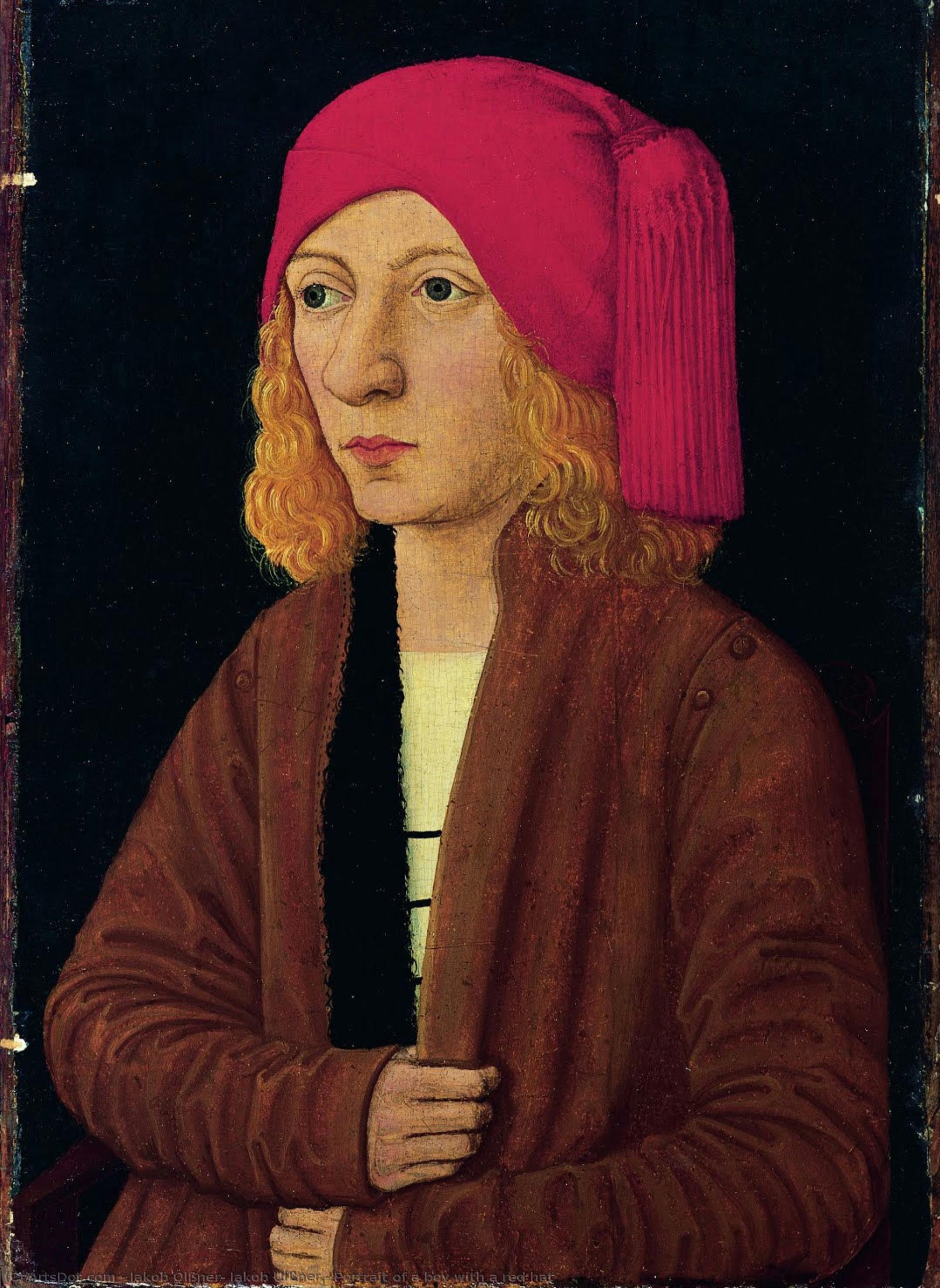
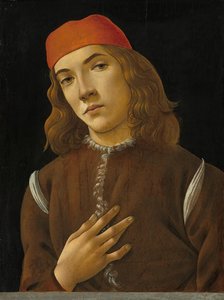
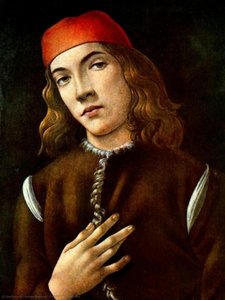
Portrait of a boy with a red hat


 Read More
Giclée / Art Print
Museum-quality giclée or canvas print with fast production and flexible finish options. ( Buy Hand Made Painting Buy Image)




































Pick from our preset sizes that match the artwork's original proportions.

You may enter your own dimensions to fit a specific frame or space. If your selected size does not match the original image's proportions, we will either crop the artwork or extend the image with a mirrored or solid-fill edge. A digital mockup will be sent for your approval before production begins.
Please note that the on-screen preview does not reflect the actual cropping or extension. Only the mockup will accurately show the final composition.
While custom sizes are available, we recommend selecting a dimension from the predefined list to preserve the original proportions.
Worldwide Delivery () in 2 weeks instead of standard 4/5 weeks. (27 August)

Free Worldwide Express Shipping

High-Quality Linen Canvas

Full Shipping Insurance

Customs Tax Refund Guarantee

True Color Matching Guarantee

60-Day Return Policy (Defects Only)

100% Money-Back Guarantee

Bulk Discount Offer
 Glass option is only available in size under 110 CM

Portrait of a boy with a red hat
Giclée / Art Print
Reproduction Size
-


Total Price
$ 63
Related Artworks






Artist Biography
The Enigmatic Master of Nuremberg: Jakob Elsner (c. 1460 – 1517)
Jakob Elsner, a name often whispered in the halls of art history, remains a figure of captivating mystery and profound skill. Born around 1460 in the vibrant city of Nuremberg, Germany, he emerged as one of the most significant portrait painters and illuminators of his era – a period marked by both burgeoning artistic innovation and deep religious fervor. While his life was relatively brief, spanning just fifty-seven years, Elsner’s impact on German art is undeniable, leaving behind a legacy of meticulously rendered portraits and exquisitely detailed illuminated manuscripts that continue to fascinate scholars and viewers alike. His story is not one of grand pronouncements or revolutionary techniques; rather, it's a testament to the quiet mastery cultivated within the workshops and studios of Renaissance Nuremberg.Early Training and the Rise of a Portraitist
Elsner’s artistic journey began in the Upper Rhine region, near Konstanz, where he received his initial training – a crucial step for any aspiring artist seeking to establish themselves. This early exposure to the diverse styles and traditions of the Rhineland undoubtedly shaped his developing aesthetic sensibilities. However, it was in Nuremberg that Elsner truly found his footing, establishing himself as a portrait painter by approximately 1490. His style during this period is characterized by a remarkable attention to detail, particularly in the rendering of facial features – a hallmark of his work. He employed a technique known as “pointillé,” utilizing tiny dots of paint to build up tones and textures with astonishing precision. This method, combined with a subtle use of light and shadow, created an illusion of depth and realism rarely seen in contemporary portraiture. Early portraits often depicted wealthy merchants and civic officials, reflecting the growing prosperity and social complexity of Nuremberg at the time. The “Portrait of a Young Man” (circa 1493), now housed in the Metropolitan Museum of Art, exemplifies this early style – a study in controlled observation and understated elegance.Illuminating Faith: Elsner’s Work for the Electoral Court
Beyond portraiture, Elsner's talents extended to the realm of illuminated manuscripts, a field where he achieved particular renown. In 1505, he accepted a commission from Elector Frederick the Wise of Saxony, undertaking the monumental task of illuminating several volumes for the elector’s court. This period marked a significant shift in his career and demonstrated his versatility as an artist. He wasn't merely copying existing designs; instead, he actively participated in the creation process, contributing not only to the illumination but also to the writing itself – a rare privilege for artists of that era. The meticulous detail evident in these illuminated manuscripts—the intricate borders, the vibrant colors, and the carefully rendered figures—testify to Elsner’s dedication and skill. The “Kreß Missal,” completed around 1513 for Anton Kreß, stands as a prime example of his work during this period, showcasing his mastery of color, composition, and decorative elements. The project involved significant material costs, highlighting the considerable investment made in his artistic endeavors.A Master of Detail: Techniques and Influences
Elsner’s art is deeply rooted in the traditions of German late Gothic painting, yet he possessed a unique ability to synthesize these influences with emerging Renaissance techniques. His use of *pointillé*, as mentioned earlier, was central to his portrait style, allowing him to achieve remarkable realism without resorting to broad brushstrokes. He also demonstrated a keen understanding of perspective and spatial relationships, creating the illusion of three-dimensionality within his compositions. While direct influence is difficult to pinpoint with absolute certainty, it’s believed that Elsner drew inspiration from artists such as Rogier van der Weyden and Stefan Lochner, both prominent figures in the development of Northern European portraiture. Furthermore, his work reflects the prevailing artistic trends of Nuremberg at the time – a city renowned for its thriving art market and its patronage of skilled artisans.Legacy and Historical Significance
Jakob Elsner’s contribution to German art is often understated, overshadowed by the more celebrated figures of Albrecht Dürer. However, his influence on subsequent generations of artists—particularly in the field of portraiture—cannot be dismissed. He established a standard of meticulous observation and realistic representation that would inform the work of many Nuremberg painters who followed him. His portraits are not merely depictions of individuals; they are windows into the social and cultural context of Renaissance Nuremberg, offering valuable insights into the lives and aspirations of its citizens. Even today, his works continue to be studied and admired for their technical brilliance, emotional depth, and enduring beauty. The Elsnerstraße in Nuremberg stands as a lasting tribute to this enigmatic master, a reminder of his profound impact on the city’s artistic heritage. His legacy endures not through grand monuments or public acclaim, but through the quiet elegance and unwavering skill evident in every meticulously rendered brushstroke.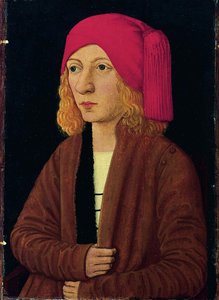
jakob ölßner, jakob ulßner
1517 , Germany
Quick Facts
- Artistic Movement Or Style: Late Gothic, Portraiture
- Artists Or Movements Influenced By This Artist: ['Nuremberg School']
- Artists Who Influenced This Artist: ['Dürer']
- Date Of Birth: c. 1460
- Date Of Death: 1517
- Full Name: Jakob Elsner (also Ölßner, Ulßner)
- Nationality: German
- Notable Artworks:
- Christ before the High Priest Annas
- Portrait of Jörg Ketzler
- Kreß Missal
- Place Of Birth: Nuremberg, Germany