

 Preview
 Send
Send Share
Share
 Details

 Download
 Similars
 X-Ray
X-Ray Diaporama
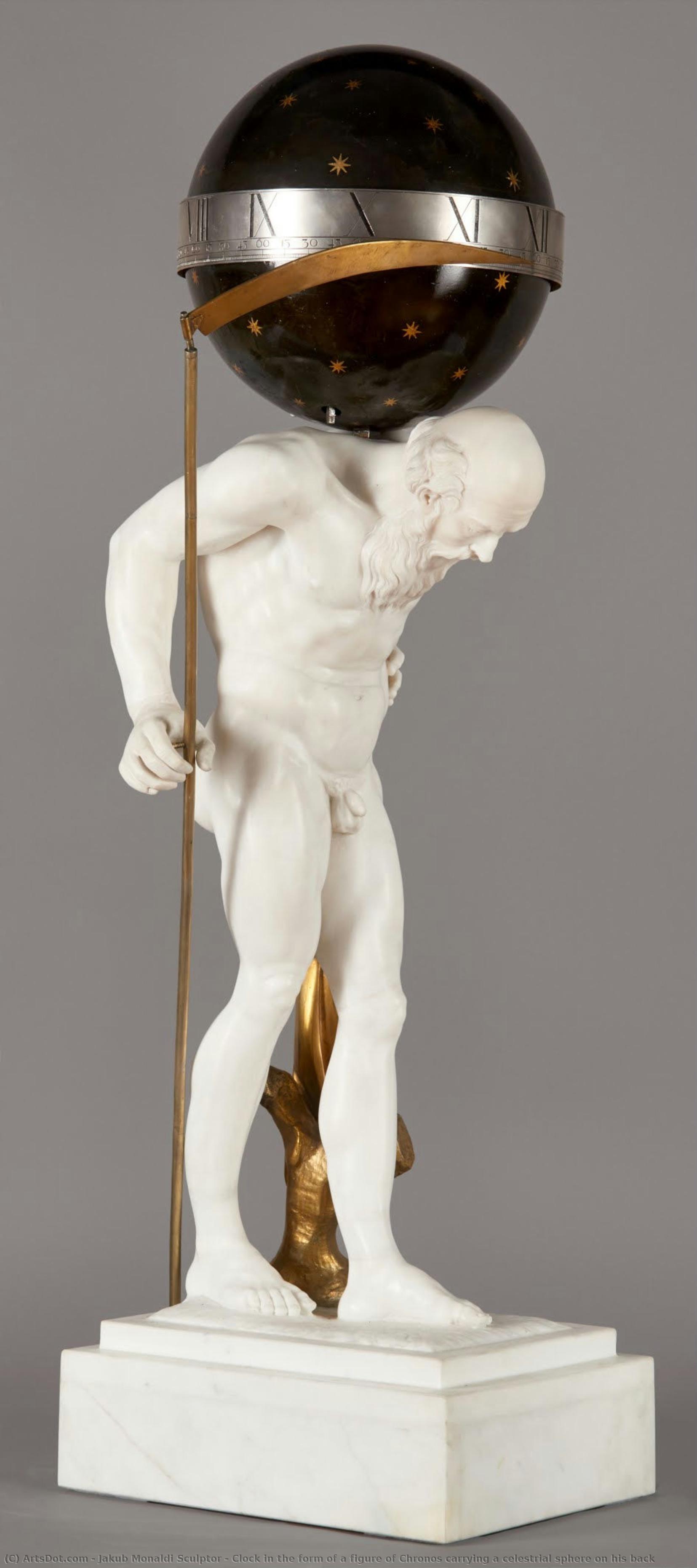
Clock in the form of a figure of Chronos carrying a celestrial sphere on his back
 1778
1778 87.0 x 23.0 cm
 Royal Łazienki Museum
 Read More
Hand Made Oil Reproduction
Hand-painted oil on canvas in your size and frame, made to order by our artists. ( Buy Print Buy Image)




































Pick from our preset sizes that match the artwork's original proportions.

You may enter your own dimensions to fit a specific frame or space. If your selected size does not match the original image's proportions, we will either crop the artwork or extend the painting with additional hand-painted elements. A digital mockup will be sent for your approval before production begins.
Please note that the on-screen preview does not reflect the actual cropping or extension. Only the mockup will accurately show the final composition.
While custom sizes are available, we recommend selecting a dimension from the predefined list to preserve the original proportions.
After order, ArtsDot.com team will email client for instructions and provide a mockup preview
Worldwide Delivery () in 3/4 weeks instead of standard 5 weeks. (3 September). No compromise on quality.

Free Worldwide Express Shipping

High-Quality Linen Canvas

Full Shipping Insurance

Customs Tax Refund Guarantee

True Color Matching Guarantee

60-Day Return Policy (Defects Only)

100% Money-Back Guarantee

Bulk Discount Offer
 Glass option is only available in size under 110 CM

Clock in the form of a figure of Chronos carrying a celestrial sphere on his back
Reproduction Medium
Reproduction Size
-


Total Price
$ 263
Related Artworks





Artist Biography
Joseph Wright of Derby: Illuminating the Dawn of a New Era
Born in 1734 in the bustling market town of Derby, England, Joseph Wright – styled Joseph Wright of Derby – emerged as a pivotal figure in British art during the tumultuous years surrounding the Industrial Revolution. More than simply a painter, he was a chronicler of his time, capturing not just the faces and fashions of his era but also the burgeoning spirit of scientific inquiry, social change, and the dramatic shifts transforming England’s landscape. His legacy rests on a unique ability to fuse meticulous observation with an almost theatrical use of light and shadow – a technique known as tenebrism – that brought scenes of everyday life, often imbued with symbolic meaning, to vibrant, unforgettable life.
Wright's early artistic training was conventional for the period. He apprenticed under Thomas Hudson, a prominent portrait painter in London, absorbing the established techniques and conventions of the day. However, it was his exposure to Alexander Cozens, a landscape artist known for his innovative use of watercolor and his interest in scientific observation, that profoundly shaped Wright’s artistic vision. Cozens' emphasis on capturing atmospheric effects and utilizing light to reveal form resonated deeply with Wright, influencing his later approach to landscape painting and setting him apart from many of his contemporaries.
The Lunar Society and the Birth of Scientific Spectacle
Wright’s most enduring contribution to art history lies in his depictions of the meetings and experiments conducted by the Lunar Society of Birmingham. This group, comprised of intellectuals, scientists, industrialists, and poets – including Erasmus Darwin (Charles Darwin's grandfather), Josiah Wedgwood, Matthew Boulton, and James Watt – fostered a vibrant intellectual environment that challenged traditional beliefs and embraced new ideas. Wright meticulously documented these gatherings, transforming them into dramatic scenes filled with scientific curiosity and a sense of revolutionary potential.
Works like “An Experiment on a Bird in the Air Pump” (1769) are perhaps his most famous. The painting depicts a group of men observing a lark suspended in a glass air pump, its feathers ruffled by the blast of air. While superficially a scientific demonstration, the scene is imbued with symbolic weight – representing the pursuit of knowledge, the potential for both progress and destruction, and the tension between reason and emotion. Similarly, “A Man Going to His Death” (1782) explores themes of justice, guilt, and the consequences of sin, drawing inspiration from a sermon by Erasmus Darwin.
Technique and Style: Tenebrism and Dramatic Lighting
Wright’s artistic style is immediately recognizable through his masterful use of tenebrism. He employed a dramatic contrast between light and dark – often utilizing candlelight or artificial illumination – to create a heightened sense of drama, mystery, and emotional intensity. This technique wasn't simply an aesthetic choice; it served to draw the viewer’s eye to key elements within the composition and to evoke specific moods and atmospheres.
His portraits, too, are characterized by this dramatic lighting, often casting figures in pools of light while surrounding them with shadows. He paid meticulous attention to detail, rendering fabrics with remarkable realism and capturing subtle expressions that revealed a deep understanding of human psychology. Wright’s ability to create such compelling visual narratives cemented his reputation as one of the most innovative and engaging portraitists of his time.
Legacy and Historical Significance
Despite facing periods of relative obscurity, Joseph Wright of Derby is now widely recognized as a key figure in British art history – often considered the first professional painter to capture the spirit of the Industrial Revolution. His paintings offer invaluable insights into the social, scientific, and intellectual currents of 18th-century England, providing a unique visual record of a period of profound transformation.
His influence extends beyond his individual works; Wright’s innovative use of light and shadow paved the way for later Romantic painters like J.M.W. Turner, who similarly sought to capture the sublime beauty and dramatic power of nature. Today, Wright's paintings are cherished as important cultural artifacts, housed in museums across England and admired for their artistic merit and historical significance.
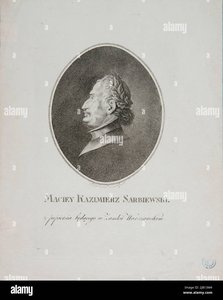
jakub monaldi sculptor
1734 - 1798 , Poland
Quick Facts
- Artistic Movement Or Style: Tenebrism, Industrial Revolution
- Artists Or Movements Influenced By This Artist: ['Romanticism']
- Artists Who Influenced This Artist: ['Thomas Hudson']
- Date Of Birth: 3 September 1734
- Date Of Death: 29 August 1797
- Full Name: Joseph Wright of Derby
- Nationality: English
- Notable Artworks:
- An Experiment on a Bird in the Air Pump
- The Broken Window
- Place Of Birth: Derby, England


