 Preview
 Send
Send Share
Share
 Details

 Download
 Similars
 X-Ray
X-Ray Diaporama
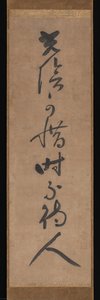
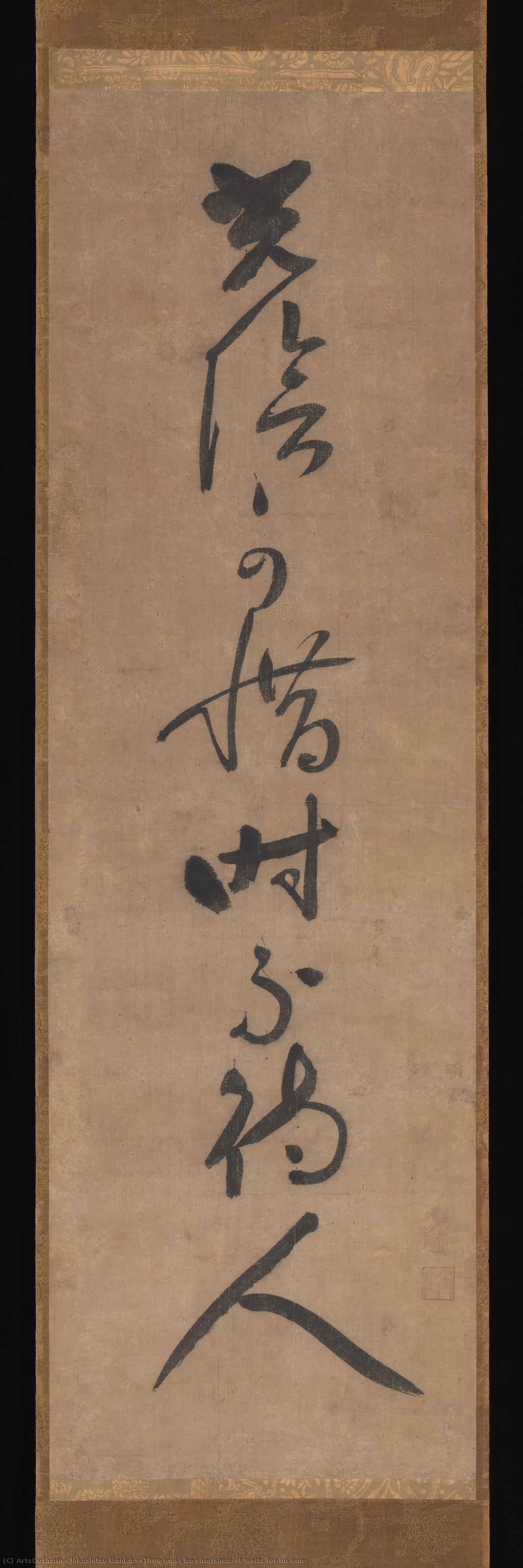
“Time must be cherished, it waits for no one”
 301
301 108.0cm x 31.0cm
 Read More
Hand Made Oil Reproduction
Hand-painted oil on canvas in your size and frame, made to order by our artists. ( Buy Print Buy Image)




































Pick from our preset sizes that match the artwork's original proportions.

You may enter your own dimensions to fit a specific frame or space. If your selected size does not match the original image's proportions, we will either crop the artwork or extend the painting with additional hand-painted elements. A digital mockup will be sent for your approval before production begins.
Please note that the on-screen preview does not reflect the actual cropping or extension. Only the mockup will accurately show the final composition.
While custom sizes are available, we recommend selecting a dimension from the predefined list to preserve the original proportions.
After order, ArtsDot.com team will email client for instructions and provide a mockup preview
Worldwide Delivery () in 3/4 weeks instead of standard 5 weeks. (21 August). No compromise on quality.

Free Worldwide Express Shipping

High-Quality Linen Canvas

Full Shipping Insurance

Customs Tax Refund Guarantee

True Color Matching Guarantee

60-Day Return Policy (Defects Only)

100% Money-Back Guarantee

Bulk Discount Offer
 Glass option is only available in size under 110 CM

“Time must be cherished, it waits for no one”
Reproduction Medium
Reproduction Size
-


Total Price
$ 263
Artwork Description
Related Artworks




Artist Biography
A Poet of Stillness: Exploring the Legacy of Jakushitsu Genkō
Jakushitsu Genkō (寂室 元光, june 23, 1290 – september 25, 1367) stands as a singular figure in fourteenth-century Japan—a Rinzai Zen master whose artistic output transcended mere craftsmanship to embody the very essence of contemplative practice. More than just a painter’s disciple, Genkō was a poet who wrestled with profound philosophical questions and distilled them into verses that continue to resonate with practitioners and scholars alike. His contribution to Zen aesthetics is undeniable, cementing his place among Japan's most revered literary luminaries.- Early Life & Artistic Formation: Little biographical detail survives concerning Genkō’s formative years; he emerged from obscurity as a student of Zen at Nara Temple, establishing a foundation for his lifelong devotion to the Dharma. However, it was his pilgrimage to China between 1320 and 1326 that irrevocably shaped his artistic sensibilities. Driven by an unwavering desire for enlightenment, Genkō traveled extensively, immersing himself in the teachings of Linji Chan Buddhism—a school known for its radical immediacy and paradoxical pronouncements. This experience instilled within him a deep appreciation for simplicity and directness, qualities that would permeate his poetic endeavors.
- The Influence of Linji & Literary Tradition: The Linji School’s emphasis on sudden enlightenment profoundly impacted Genkō's worldview. Rejecting elaborate ritualistic practices, Linji masters advocated for confronting reality without mediation—a principle mirrored in Genkō’s poetry. He drew inspiration from the towering figures of Fujiwara no Teika and other prominent poets of his era, absorbing their stylistic innovations while forging a distinctly Japanese voice. Furthermore, Genkō's artistic vision was informed by the burgeoning tradition of literati painting, particularly the serene landscapes favored by Lu You—a movement that prioritized capturing the spirit of nature rather than mere visual representation.
- A Voice of Quiet Reflection: Genkō’s poetic style is characterized by its breathtaking brevity and crystalline clarity. He eschewed ornate metaphors and elaborate descriptions, opting instead for concise phrases that conveyed profound spiritual insight. Recurring motifs—mountains, waterfalls, and autumn foliage—served as conduits for exploring themes of impermanence, emptiness (sunyata), and the elusive quest for liberation. His poems aren’t merely aesthetically pleasing; they are invitations to contemplate the fundamental nature of existence.
- Notable Works & Recognition: Genkō's magnum opus is arguably “Poems of the Five Mountains,” a collection that meticulously documented his travels across Japan’s sacred peaks—Mount Fuji, Mount Hakusan, Mount Kinmochi, Mount Ōyama, and Mount Tsukuba. These poems capture not only the physical beauty of these landscapes but also their symbolic significance as emblems of spiritual aspiration. His inclusion in the Shin Kokin Wakashū—an imperial anthology considered one of Japan’s finest achievements in waka poetry—solidified his reputation as a master poet and ensured that his verses would endure for centuries to come.
- Legacy & Enduring Significance: Jakushitsu Genkō's influence extends far beyond the confines of his own lifetime. He championed Zen Buddhism’s core tenets, advocating for mindfulness and cultivating inner peace—values that continue to inspire Buddhist practitioners today. His poetic legacy serves as a testament to the transformative power of contemplation and reminds us that true wisdom resides not in intellectual understanding but in experiencing the world with unwavering awareness. For a deeper exploration of his work and life, consult https://ArtsDot.com/@/jakushitsu-genko or Wikipedia.
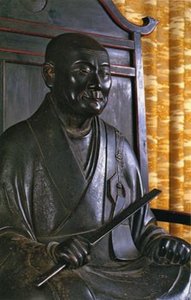
Jakushitsu Genkō
1290 - 1367 , Japan
Quick Facts
- Artistic Movement Or Style: Rinzai Zen
- Artists Or Movements Influenced By This Artist: ['Linji School']
- Artists Who Influenced This Artist:
- Lu You
- Fujiwara no Teika
- Date Of Birth: 1290
- Date Of Death: 1367
- Full Name: Jakushitsu Genkō
- Nationality: Japanese
- Notable Artworks:
- Poems of the Five Mountains
- Shin Kokin Wakashū
- Place Of Birth: Tokyo, Japan