 Preview
 Send
Send Share
Share
 Details

 Download
 Similars
 X-Ray
X-Ray Diaporama
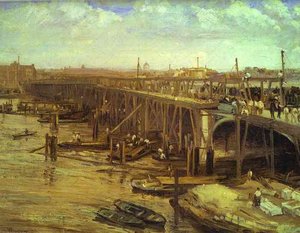
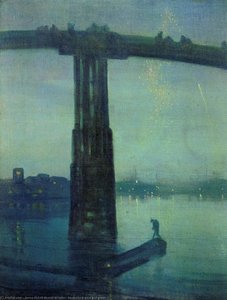
The Last of Old Westminster


 Read More
Hand Made Oil Reproduction
Hand-painted oil on canvas in your size and frame, made to order by our artists. ( Buy Print Buy Image)




P118B $10

P118H $10

P118W $10

P438Z $10

P508JH $12

P508YH $12

P805H $10

P805Z $10

P919BZ $10

P919G $10

P919XJ $10

P959ZH $10

P968JZ $12

W106C $8

W218G $10

W218JH $8

W218Y $10

W307PJ $10

W316G $10

W316PJ $8

W316Y $10

W398PJ $8

W4111J $10

W500HY $15

W500JH $15

W692G $12

W849H $8

W940BG $15

W953PJ $8




Pick from our preset sizes that match the artwork's original proportions.

You may enter your own dimensions to fit a specific frame or space. If your selected size does not match the original image's proportions, we will either crop the artwork or extend the painting with additional hand-painted elements. A digital mockup will be sent for your approval before production begins.
Please note that the on-screen preview does not reflect the actual cropping or extension. Only the mockup will accurately show the final composition.
While custom sizes are available, we recommend selecting a dimension from the predefined list to preserve the original proportions.
After order, ArtsDot.com team will email client for instructions and provide a mockup preview
Worldwide Delivery () in 3/4 weeks instead of standard 5 weeks. (16 August). No compromise on quality.

Free Worldwide Express Shipping

High-Quality Linen Canvas

Full Shipping Insurance

Customs Tax Refund Guarantee

True Color Matching Guarantee

60-Day Return Policy (Defects Only)

100% Money-Back Guarantee

Bulk Discount Offer
 Glass option is only available in size under 110 CM

The Last of Old Westminster
Reproduction Medium
Reproduction Size
-


Total Price
$ 263
Artwork Description
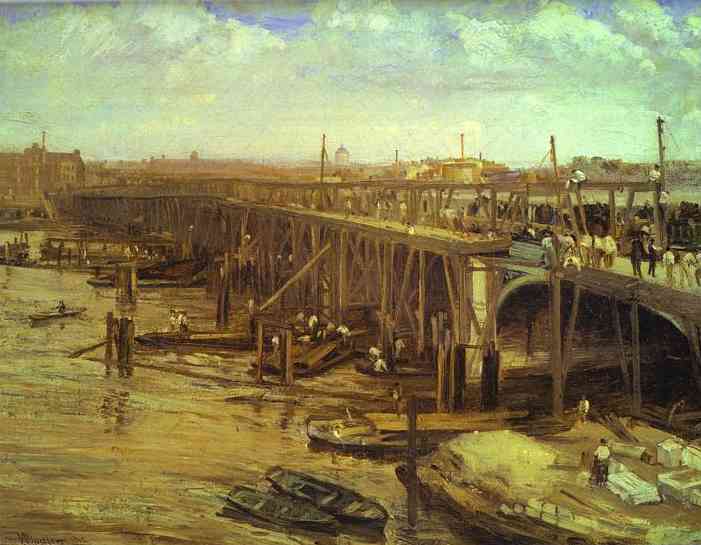
The Last of Old Westminster: A London Reverie Captured in Tone
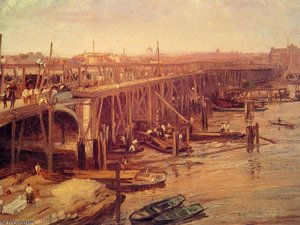
James Abbott McNeill Whistler’s “The Last of Old Westminster” isn't merely a depiction of a bridge; it’s a carefully constructed evocation of a vanished London, a poignant meditation on the passage of time and the enduring beauty of urban landscapes. Completed in 1862, this oil-on-canvas masterpiece transports us to the heart of Victorian England, offering a glimpse into a city poised between tradition and modernity. The painting’s power lies not just in its subject matter – the iconic Westminster Bridge gracefully spanning the River Thames – but in Whistler's masterful manipulation of light, color, and composition, hallmarks of his distinctive artistic philosophy. He sought to elevate painting beyond mere representation, aiming instead for an “arrangement” of tones that would resonate with the viewer on a purely aesthetic level, akin to music. The scene unfolds with remarkable clarity despite Whistler’s deliberate blurring of details. The bridge itself dominates the image, its sturdy structure rendered in muted grays and browns, anchoring the composition while simultaneously suggesting a sense of solidity and permanence. Below, the river flows with an ethereal quality, reflecting the sky above in subtle washes of blue and gray. A flurry of activity unfolds along the water’s edge: figures stroll across the bridge, engage in conversation, and navigate small boats – each element contributing to a vibrant, bustling atmosphere that belies the painting's overall tonal harmony. Whistler wasn’t interested in capturing every individual detail; instead, he prioritized creating an impression, a feeling of being present within this historical moment. The subtle use of color—a restrained palette dominated by browns, grays, and blues—creates a mood of quiet contemplation, inviting the viewer to lose themselves in the scene's atmosphere. Whistler’s artistic approach was profoundly influenced by his time in Paris, where he encountered the burgeoning Impressionist movement. However, unlike many of his contemporaries, Whistler rejected the emphasis on capturing fleeting moments of light and color. Instead, he developed a unique style known as “tonalism,” characterized by its focus on atmospheric effects and subtle shifts in tone. This is particularly evident in "The Last of Old Westminster," where Whistler skillfully uses layering and glazing to create a sense of depth and atmosphere. The painting’s surface appears almost velvety, with the colors blending seamlessly into one another—a technique that further enhances the work's ethereal quality. His signature butterfly motif, often appearing subtly within his compositions, served as a visual shorthand for his artistic philosophy: delicate beauty combined with an underlying strength or even a hint of melancholy. The historical context surrounding “The Last of Old Westminster” is equally fascinating. Created during the height of the British Victorian era, the painting captures a London undergoing rapid transformation. The construction of the new Westminster Bridge was a significant event, symbolizing progress and modernization. Whistler, however, chose to depict the bridge as it *was*, rather than as it would be—a deliberate act that speaks to his desire to preserve the past. The painting is housed at the Museum of Fine Arts in Boston, a testament to its enduring appeal and artistic merit. It’s important to note Whistler's close relationship with Walter Sickert, who provided him with a studio overlooking the Thames, offering an ideal vantage point for observing and capturing the city's atmosphere. This collaboration further solidified Whistler's commitment to portraying London through his unique tonal lens. Beyond its aesthetic qualities, “The Last of Old Westminster” offers a poignant reflection on the nature of memory and loss. The title itself—"The Last"—suggests that this is not simply a depiction of a bridge; it’s a representation of a bygone era, a moment in time that can never be fully recaptured. Whistler's deliberate blurring of details and his focus on atmospheric effects create a sense of nostalgia, inviting the viewer to contemplate the passage of time and the impermanence of all things. It is a painting that lingers in the mind long after it has been viewed, prompting reflection on the beauty and melancholy inherent in the human experience.Key Artistic Elements
- Style: Tonalism – Emphasis on atmospheric effects and subtle shifts in tone.
- Technique: Layered glazing, careful color blending, muted palette.
- Composition: Balanced arrangement of architectural elements and human figures.
- Symbolism: The butterfly motif represents delicacy and strength.
Historical Significance
- Era: Victorian England – A period of rapid transformation and social change.
- Context: Construction of the new Westminster Bridge, symbolizing progress.
- Location: London, a city steeped in history and tradition.
Relevance Today
- Interior Design: The painting’s muted tones and atmospheric quality make it ideal for creating serene and contemplative spaces.
- Art Appreciation: A valuable example of Whistler's unique artistic vision and his contribution to the development of modern art.
- Historical Interest: Offers a captivating glimpse into Victorian London and its cultural landscape.
For more information on James Abbott McNeill Whistler and his works, visit Wikipedia: James McNeill Whistler.
Explore the depiction of night in paintings at Wikipedia: Night in Paintings (Western Art).
Related Artworks
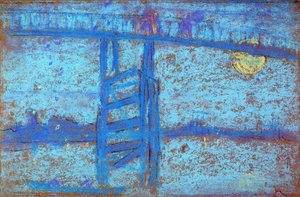
Artist Biography
A Life Shaped by Aestheticism: The World of James Abbott McNeill Whistler
James Abbott McNeill Whistler, born in Lowell, Massachusetts in 1834, was a figure perpetually at odds with convention—a painter who championed “art for art’s sake” during an era obsessed with moralizing narratives. His early life, marked by frequent relocations due to his father's railroad engineering career, instilled within him a sense of adaptability and exposure to diverse environments. A brief, unhappy stint at West Point proved ill-suited to his artistic temperament, followed by work with the U.S. Coast and Geodetic Survey that, while delaying, did not extinguish his burgeoning passion for art. These formative years were characterized by an innate talent for drawing and a resolute desire to forge a path as a professional artist, a pursuit that would ultimately lead him across the Atlantic and into the heart of the European avant-garde. The seeds of Whistler’s artistic rebellion were sown early, nurtured by a spirit that resisted conformity and embraced aesthetic exploration above all else.Parisian Beginnings and the Cultivation of Style
The pivotal moment in Whistler's artistic journey arrived with his move to Paris in 1855. Here, under the tutelage of Sébastien Bouré, he honed his skills in oil painting, watercolor, and printmaking, absorbing the influences of French Realism and the Barbizon School painters. However, Whistler quickly transcended mere imitation, developing a distinctive style characterized by tonal harmonies and atmospheric effects. He wasn’t interested in replicating reality; rather, he sought to capture its *essence*, its fleeting moods and subtle nuances. This period marked a crucial shift from representational accuracy towards an exploration of pure aesthetic form. His early works already hinted at the delicate balance between observation and abstraction that would define his mature style. It was in Paris that Whistler began to articulate his belief that art should be judged solely on its aesthetic qualities, free from didactic or moralizing constraints—a philosophy that would become the cornerstone of his artistic practice and a defining characteristic of the Aesthetic movement.Nocturnes, Portraits, and the Pursuit of Harmony
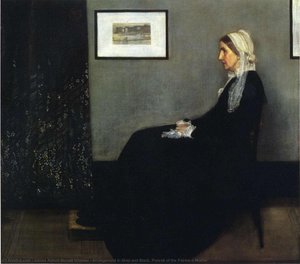
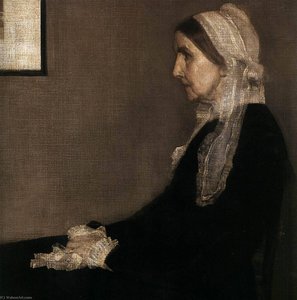
Whistler’s artistic vision crystallized in several key themes and stylistic choices. He championed the concept of “art for art’s sake,” rejecting narratives laden with moral or social commentary. His work became an exercise in capturing subtle nuances of light, color, and atmosphere—a pursuit that led to his iconic *Nocturnes*. These atmospheric paintings of twilight scenes, often depicting the Thames River at night, were not intended as literal depictions but rather as evocative impressions, studies in tonal harmony and mood. He frequently employed limited palettes and delicate brushwork, creating a sense of ethereal beauty and quiet contemplation. Portraits also occupied a central place in his practice, though he approached them with a unique sensibility. Whistler wasn’t concerned with capturing perfect likenesses; instead, he focused on formal arrangements and tonal relationships, treating his sitters as compositional elements within a carefully constructed aesthetic framework. Works like *Arrangement in Grey and Black No. 1*—better known as *Whistler's Mother*—demonstrate this approach perfectly, transforming a familial portrait into an iconic image of Victorian motherhood through its masterful use of form and tone.Controversy, Influence, and Lasting Legacy
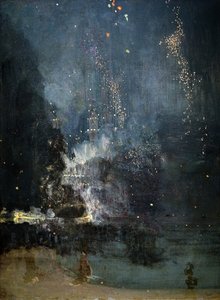
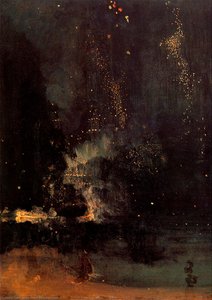
Whistler’s career was not without controversy. The infamous libel suit brought against him by the critic John Ruskin in 1878, sparked by *Nocturne in Black and Gold – The Falling Rocket*, became a landmark moment in art history. Whistler successfully defended his artistic autonomy, arguing that his paintings were not intended to be realistic representations but rather aesthetic arrangements of color and form. This case elevated his profile and ignited important debates about the nature of art criticism and artistic freedom. Beyond this legal battle, Whistler’s influence extended far and wide. He was deeply inspired by Japanese prints (ukiyo-e), which informed his compositional principles and emphasis on decorative patterns, as well as the tonal mastery of Spanish painters like Velázquez. His advocacy for “art for art’s sake” profoundly impacted the Aesthetic movement in England and America, paving the way for modernism and challenging conventional notions about artistic purpose. He left an indelible mark on American art, inspiring generations of artists to embrace formalist approaches and explore the expressive potential of color and composition.- Notable Works: *The Forge* (1861), *Portrait of Charles Lang Freer* (1873), *Brown and Gold: The Gold Girl—Connie Gilchrist* (1876-77), *Arrangement in Grey and Black No. 1 (Whistler’s Mother)* (1871), *Nocturne in Black and Gold – The Falling Rocket* (1875).
- Influences: Japanese prints, Velázquez.
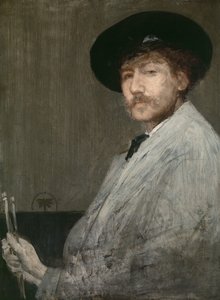
James Abbott McNeill Whistler
1834 - 1903 , United States of America
Quick Facts
- Artistic Movement Or Style: Tonalism, Aestheticism
- Artists Or Movements Influenced By This Artist:
- Aesthetic movement
- Modernism
- Artists Who Influenced This Artist:
- Velázquez
- Japanese prints
- Date Of Birth: July 14, 1834
- Date Of Death: 1903
- Full Name: James Abbott McNeill Whistler
- Nationality: American
- Notable Artworks:
- Whistler’s Mother
- Nocturne in Black & Gold
- The Forge
- Peacock Room
- Place Of Birth (City And Country): Lowell, USA
Related Articles
Whistler's Masterpieces: Explore 25 Iconic Paintings & Aesthetic Art for Your Home
Journey through 25 iconic James Abbott McNeill Whistler paintings! Explore his masterpieces of Aestheticism, from 'Nocturne in Black and Gold' to captivating portraits. Find museum-quality art reproductions & elevate your home decor with ArtsDot.com. Discover the full collection online.

Cézanne's Masterpieces: 25 Iconic Artworks to Transform Your Space
Journey through 25 iconic artworks by Paul Cézanne – a master of Impressionism and Post-Impressionism. Explore his landscapes, still lifes, and the stories behind these timeless masterpieces. Discover museum-quality reproductions & curated decor at ArtsDot.com.
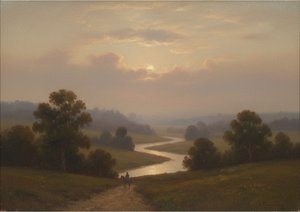
Atmospheric Visions: Exploring Tonalism in American Painting
Explore the captivating world of American Tonalism! Discover its history, key artists like Whistler & Inness, techniques, and lasting influence on art. Expert insights for collectors & enthusiasts.
National Gallery London's Masterpieces: 25 Iconic Paintings for Your Home Decor
Journey through the National Gallery London's 25 most iconic paintings! Explore Van Gogh, Monet, Rembrandt & more. Discover art history, techniques & find museum-quality reproductions for your home decor on ArtsDot.com.
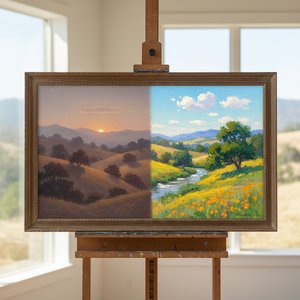
Franz Bischoff: Bridging Tonalism & Impressionism in California Landscape Painting
Explore the captivating art of Franz Bischoff, a pivotal figure bridging Tonalism & California Impressionism. Discover his stunning landscapes, floral works, and lasting legacy with ArtsDot.