 Preview
 Send
Send Share
Share
 Details

 Download
 Similars
 X-Ray
X-Ray Diaporama
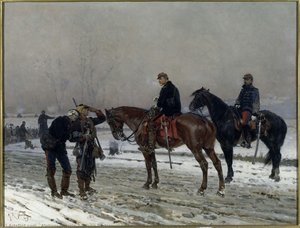
General Margueritte fatally wounded at Floing (Battle of Sedan), September 1, 1870


 Read More
Hand Made Oil Reproduction
Hand-painted oil on canvas in your size and frame, made to order by our artists. ( Buy Print Buy Image)




P118B $10

P118H $10

P118W $10

P438Z $10

P508JH $12

P508YH $12

P805H $10

P805Z $10

P919BZ $10

P919G $10

P919XJ $10

P959ZH $10

P968JZ $12

W106C $8

W218G $10

W218JH $8

W218Y $10

W307PJ $10

W316G $10

W316PJ $8

W316Y $10

W398PJ $8

W4111J $10

W500HY $15

W500JH $15

W692G $12

W849H $8

W940BG $15

W953PJ $8




Pick from our preset sizes that match the artwork's original proportions.

You may enter your own dimensions to fit a specific frame or space. If your selected size does not match the original image's proportions, we will either crop the artwork or extend the painting with additional hand-painted elements. A digital mockup will be sent for your approval before production begins.
Please note that the on-screen preview does not reflect the actual cropping or extension. Only the mockup will accurately show the final composition.
While custom sizes are available, we recommend selecting a dimension from the predefined list to preserve the original proportions.
After order, ArtsDot.com team will email client for instructions and provide a mockup preview
Worldwide Delivery () in 3/4 weeks instead of standard 5 weeks. (17 August). No compromise on quality.

Free Worldwide Express Shipping

High-Quality Linen Canvas

Full Shipping Insurance

Customs Tax Refund Guarantee

True Color Matching Guarantee

60-Day Return Policy (Defects Only)

100% Money-Back Guarantee

Bulk Discount Offer
 Glass option is only available in size under 110 CM

General Margueritte fatally wounded at Floing (Battle of Sedan), September 1, 1870
Reproduction Medium
Reproduction Size
-


Total Price
$ 388
Artwork Description
General Margueritte Fatally Wounded at Floing (Battle of Sedan), 1870: A Chronicle of Loss in Oil
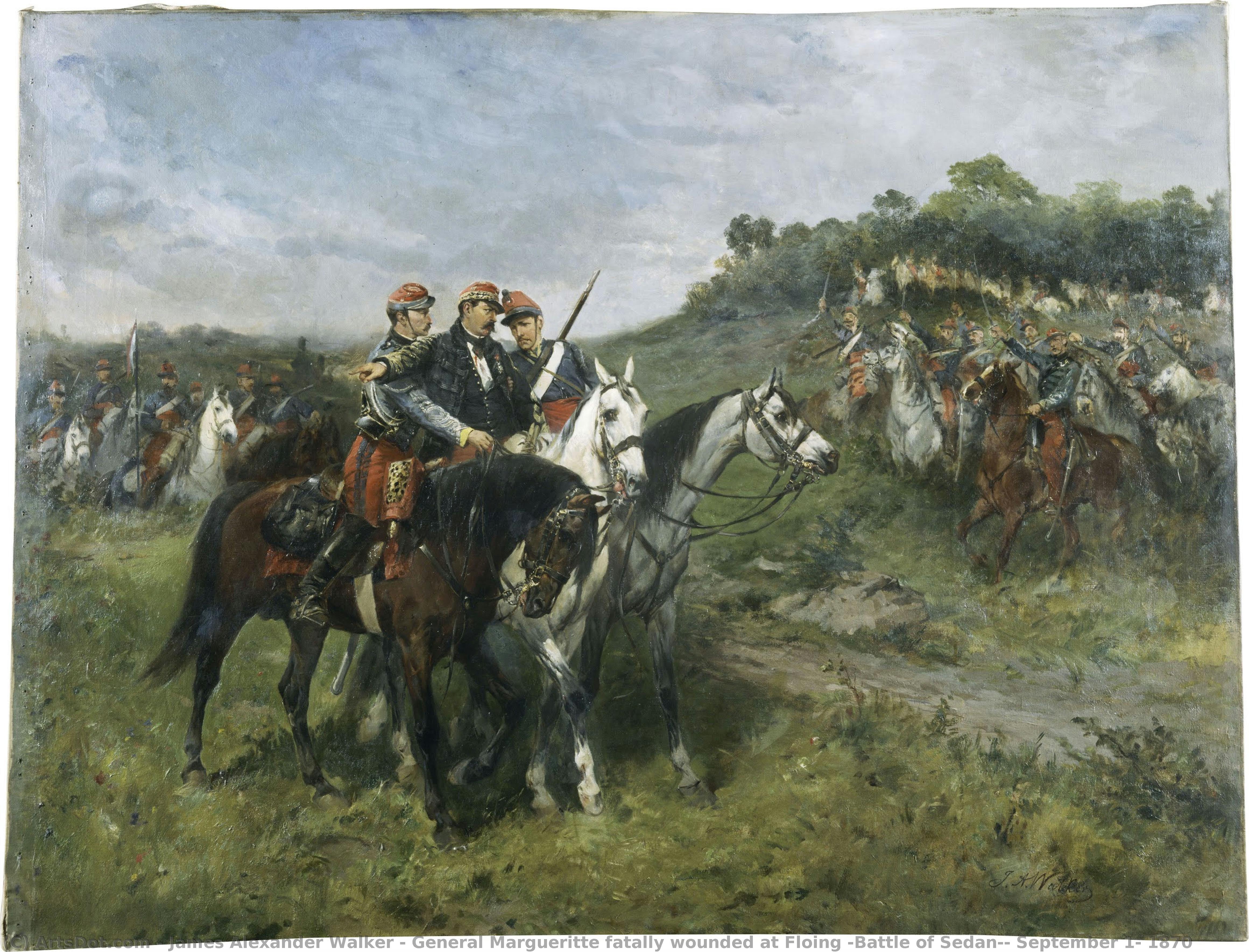
James Alexander Walker’s “General Margueritte Fatally Wounded at Floing (Battle of Sedan)” is more than a depiction of a pivotal moment in the Franco-Prussian War; it's a visceral immersion into the chaos and tragedy of conflict. Painted in 1870, this work captures the brutal reality of the Battle of Sedan with a raw intensity that speaks to the enduring human cost of war. Walker, influenced by the Romantic spirit championed by Eugène Delacroix – a revolutionary force in 19th-century art – masterfully employs loose brushstrokes and a muted color palette to convey not just the visual spectacle but also the profound emotional weight of the scene.
- Subject Matter: The painting centers on General Margueritte, mortally wounded during the desperate defense of Sedan. This specific event – the decisive defeat that marked the end of the Second Empire – resonates with a broader historical significance, representing not just military loss but also the crumbling of an era.
- Style & Technique: Walker’s style leans heavily into Realism, yet infused with Impressionistic tendencies. The visible brushstrokes are deliberate, creating a sense of immediacy and movement, as if the viewer is witnessing the event unfold in real-time. Oil paint was undoubtedly employed, applied with a confident hand to build texture and capture fleeting moments of action.
- Composition & Color: The composition is dynamic, utilizing receding planes and diagonal lines – particularly those created by the charging horses – to draw the eye towards the central drama. The earthy color palette—browns, greens, and greys punctuated by flashes of red from the uniforms—contributes significantly to the painting’s somber mood. The diffused lighting, characteristic of overcast conditions, further enhances this sense of melancholy.
Decoding Symbolism: Sacrifice and the Weight of History
Beyond a simple battlefield scene, “General Margueritte” is laden with symbolic meaning. The wounded general himself embodies sacrifice – a poignant representation of the countless lives lost in the pursuit of ambition and power. Walker doesn’t glorify war; instead, he presents it as a brutal, chaotic force that reduces individuals to mere casualties. The swirling figures on horseback, locked in a desperate struggle, symbolize the futility of conflict and the overwhelming nature of violence. The hazy atmosphere surrounding the scene reinforces this sense of disorientation and despair.
- Emotional Impact: The painting’s power lies in its ability to evoke empathy for those caught in the crossfire. Walker's deliberate use of muted tones and loose brushwork creates a palpable sense of unease and sorrow, prompting reflection on the devastating consequences of war.
- Historical Context: Painted during the height of the Franco-Prussian War (1870-1871), this artwork serves as a stark reminder of the political tensions and military ambitions that fueled Europe’s most dramatic conflict of the era. It's a visual testament to the rapid rise of Prussia and the fall of France.
The Artist’s Hand: James Alexander Walker and the Romantic Legacy
James Alexander Walker, working in the aftermath of Delacroix, inherited a legacy of emotional intensity and dramatic composition. Like Delacroix, he sought to capture not just what he *saw* but what he *felt*. Walker's approach is evident in his skillful rendering of movement – the horses’ powerful strides, the soldiers’ desperate efforts – all conveyed through dynamic brushwork. His technical mastery allows him to create a scene that feels both historically accurate and deeply personal.
- Materials & Technique: The painting's texture is achieved through layered paint application and visible brushstrokes, creating a sense of immediacy and capturing the fleeting nature of the moment. Walker’s technique emphasizes capturing a dramatic event rather than precise detail, prioritizing emotional impact over photographic realism.
A Statement for Your Space: Reproduction Considerations
This meticulously crafted reproduction captures the essence of Walker's original masterpiece, offering an exceptional piece for art enthusiasts, collectors, and interior designers alike. The hand-painted nature ensures a level of detail and nuance unattainable by digital reproductions. Whether adorning a study, salon, or gallery space, “General Margueritte Fatally Wounded at Floing” will undoubtedly serve as a powerful conversation starter – a timeless reminder of the human cost of conflict and the enduring legacy of Romantic art.
Related Artworks

Artist Biography
Eugène Delacroix: A Revolutionary Spirit of Romanticism
Eugène Delacroix, born on April 26, 1798, near Paris in Charenton-Saint-Maurice, was more than just a painter; he was a catalyst for artistic change. His early life, marked by both privilege and profound loss, shaped his worldview and ultimately fueled the passionate, emotionally charged style that would define his legacy. The son of Charles Delacroix, a prominent figure in Napoleon’s government, and Victoire Delacroix, daughter of renowned cabinetmaker Jean-François Oeben, he was born into a family deeply entwined with French history and artistic circles. However, tragedy struck early when his father died, leaving the young Eugène orphaned at six years old. This loss, coupled with the subsequent move to Paris and the death of his mother in 1814, instilled within him a sense of vulnerability and a deep empathy for human suffering – emotions that would become central themes in his art. Despite these hardships, Delacroix received an excellent education, attending the Lycée Impérial (now the Lycée Louis-le-Grand), where he cultivated a love for literature and drawing alongside close friends. It was through the tutelage of painter Pierre-Narcisse Guérin that he began his formal artistic training, though Guérin’s traditional approach ultimately failed to recognize Delacroix's burgeoning talent, leading him to seek inspiration from the revolutionary spirit embodied by Théodore Géricault.Early Influences and Artistic Development
Delacroix’s artistic journey was profoundly influenced by a diverse range of sources. He spent considerable time studying the masterpieces housed in the Louvre, absorbing the techniques and compositions of masters like Raphael, Michelangelo, Titian, Rubens, and Poussin. These encounters with the Old Masters provided him with a solid foundation while simultaneously inspiring him to break free from academic constraints. Crucially, he found inspiration in the works of Géricault, particularly *The Raft of the Medusa*, which showcased a dramatic realism and an engagement with contemporary social issues – qualities that resonated deeply with Delacroix’s own artistic sensibilities. His early exposure to Dante's *Inferno* ignited his imagination and fueled his desire to depict intense emotional experiences through visual imagery. The death of his mother in 1814 left him feeling adrift, but this period also fostered a deep appreciation for the beauty of nature and the human condition, themes that would repeatedly surface in his work. His uncle, Henri-François Riesener, a painter himself, played a vital role in nurturing Delacroix’s artistic talent, providing guidance and encouragement during his formative years.The Rise of Romanticism and Iconic Masterpieces
Delacroix emerged as a pivotal figure in the burgeoning movement known as Romanticism – an artistic reaction against the rigid formalism of Neoclassicism. Unlike the idealized forms and restrained emotions favored by earlier generations, Romantic artists sought to capture intense feelings, dramatic narratives, and the sublime power of nature. Delacroix’s debut at the Salon of 1822 with *Dante and Virgil in Hell* immediately established him as a leading voice within this new aesthetic. The painting's vibrant colors, dynamic composition, and visceral depiction of torment captivated critics and signaled a radical departure from traditional artistic conventions. His subsequent works, such as *The Massacre at Scio* (1827) and *Death of Sardanapalus* (1830-31), further cemented his reputation for daring innovation and emotional intensity. *Death of Sardanapalus*, in particular, shocked audiences with its depiction of a decadent king’s demise, employing swirling colors and dramatic lighting to convey a sense of overwhelming chaos and impending doom. These paintings demonstrated Delacroix's mastery of color and brushwork, creating an immersive experience for the viewer that transcended mere representation.Liberty Leading the People: A Symbol of Revolution
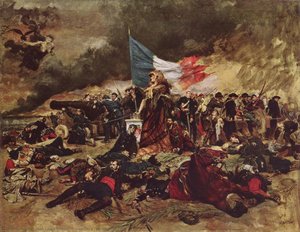
Perhaps Delacroix’s most enduring masterpiece is *Liberty Leading the People* (1830), a monumental painting commemorating the July Revolution in Paris. This iconic work captures the fervor and chaos of the uprising, portraying Liberty as a bare-breasted woman charging forward with the French flag held aloft. The painting isn't simply a historical record; it’s a powerful allegory for freedom and revolution, imbued with Romantic ideals of heroism and sacrifice. The diverse figures depicted – students, workers, soldiers – represent the collective will of the Parisian people rising up against tyranny. Delacroix deliberately blurred the lines between reality and symbolism, creating an image that resonated deeply with the revolutionary spirit of the time. The painting’s raw energy, vibrant colors, and dynamic composition continue to inspire awe and admiration today, solidifying its place as a cornerstone of Western art history.Legacy and Lasting Influence
Eugène Delacroix died on December 13, 1863, in Paris, leaving behind a vast body of work that profoundly influenced generations of artists. His innovative use of color, his dramatic compositions, and his willingness to explore intense emotional themes paved the way for Impressionism and other modern artistic movements. He demonstrated the power of art to capture not just appearances but also the underlying emotions and experiences of human life. His influence can be seen in the works of painters like Monet, Renoir, and Van Gogh, who all drew inspiration from his bold experimentation with color and brushwork. Delacroix’s legacy extends beyond the realm of painting; he remains a symbol of artistic freedom, revolutionary spirit, and the enduring power of human emotion. His paintings continue to be exhibited around the world, captivating audiences with their beauty, intensity, and timeless relevance.
james alexander walker
1831 - 1898 , India
Quick Facts
- Artistic Movement Or Style: Romanticism
- Artists Or Movements Influenced By This Artist: ['Romanticism']
- Artists Who Influenced This Artist: ['Théodore Géricault']
- Date Of Birth: April 26, 1798
- Full Name: Eugène Delacroix
- Nationality: French
- Notable Artworks:
- Dante and Virgil in Hell
- Massacre at Scio
- Death of Sardanapalus
- Liberty Leading the People
- Place Of Birth: Charenton-Saint-Maurice, France
Related Articles
The Resonance of Earthly Tones: Exploring Nuance, History & Emotional Impact in Art
Explore the captivating world of earth tones in art! Discover historical context, emotional resonance & artistic techniques behind these timeless colors. Find inspiration for your home decor and museum-quality reproductions.

Sandstone & Sunlight: 10 Masterpieces of Earth-Toned Art |
Journey through 10 iconic paintings bathed in 'sand' tones – from Van Gogh to Monet. Explore the stories, techniques & warm palettes of these timeless masterpieces. Find museum-quality art reproductions at and bring classic beauty home.
Earthy Hues & Masterpieces: Top 10 Paintings with 'Mushroom' Tones |
Explore 10 iconic paintings with captivating 'mushroom' tones! Discover Van Gogh, Monet & Rembrandt’s masterpieces—earthy palettes, rich history & artistic techniques. Find museum-quality art reproductions and curated decor ideas at
Earthen Hues: Exploring the Psychological & Artistic Significance of Earth Tones
Explore the captivating world of earth tones! Discover their historical significance, psychological impact & artistic techniques. Find inspiration for your home decor and museum-quality reproductions at ArtsDot.
The Resonance of Earth Tones: Exploring Emotional Depth & Artistic Context in Paintings
Explore the captivating world of earth tones in painting! Discover the historical context, emotional resonance, and artistic techniques behind these timeless colors. Learn how to create harmonious spaces with natural palettes.