 Preview
 Send
Send Share
Share
 Details

 Download
 Similars
 X-Ray
X-Ray Diaporama
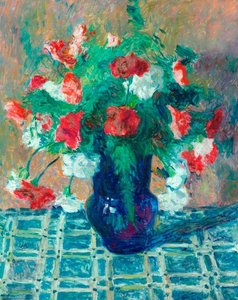
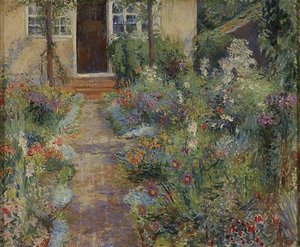
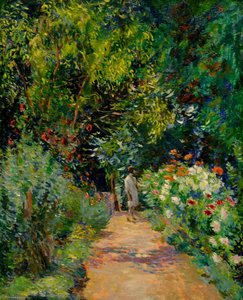
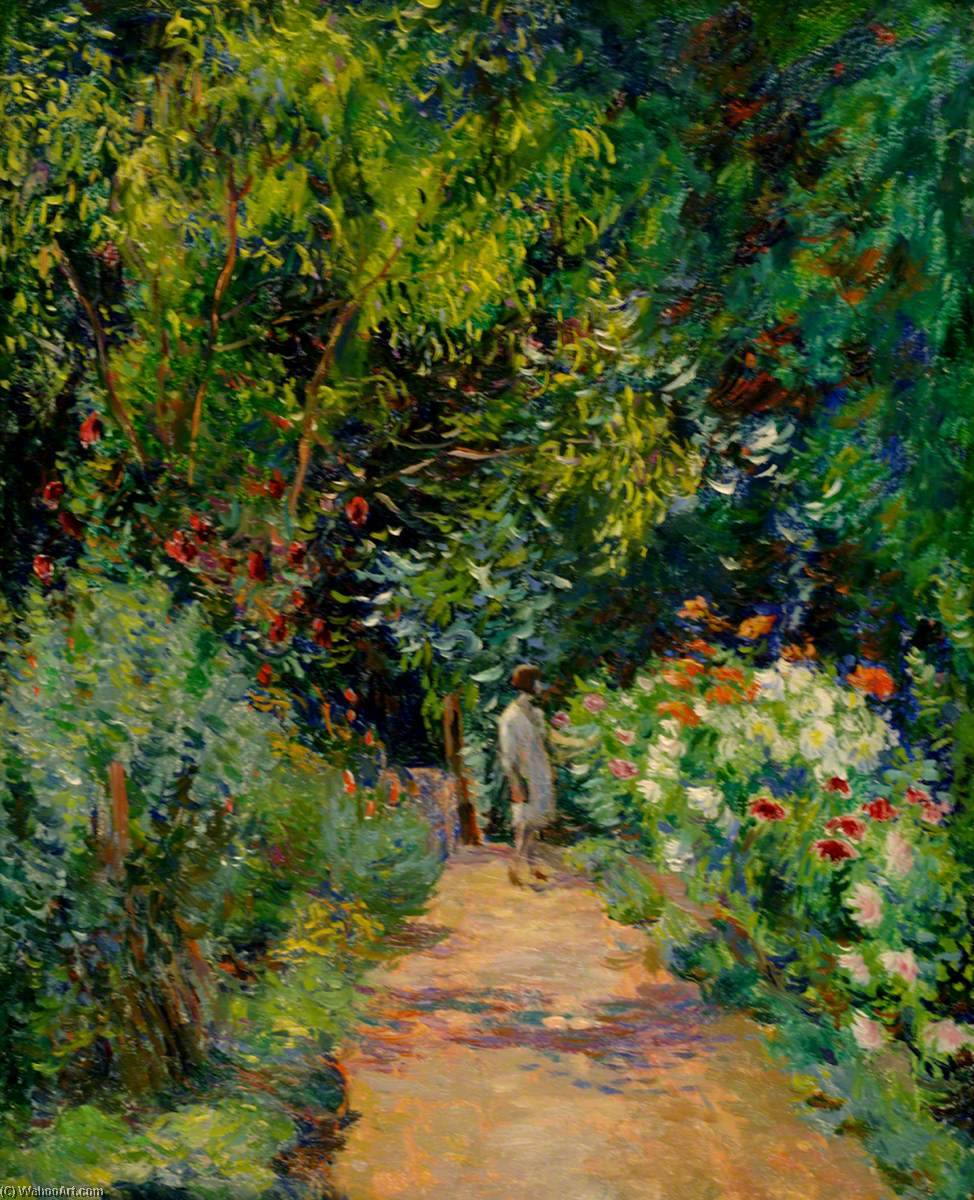
The Garden
 47.0 x 36.0 cm
 Read More
Hand Made Oil Reproduction
Hand-painted oil on canvas in your size and frame, made to order by our artists. ( Buy Print Buy Image)




































Pick from our preset sizes that match the artwork's original proportions.

You may enter your own dimensions to fit a specific frame or space. If your selected size does not match the original image's proportions, we will either crop the artwork or extend the painting with additional hand-painted elements. A digital mockup will be sent for your approval before production begins.
Please note that the on-screen preview does not reflect the actual cropping or extension. Only the mockup will accurately show the final composition.
While custom sizes are available, we recommend selecting a dimension from the predefined list to preserve the original proportions.
After order, ArtsDot.com team will email client for instructions and provide a mockup preview
Worldwide Delivery () in 3/4 weeks instead of standard 5 weeks. (17 August). No compromise on quality.

Free Worldwide Express Shipping

High-Quality Linen Canvas

Full Shipping Insurance

Customs Tax Refund Guarantee

True Color Matching Guarantee

60-Day Return Policy (Defects Only)

100% Money-Back Guarantee

Bulk Discount Offer
 Glass option is only available in size under 110 CM

The Garden
Reproduction Medium
Reproduction Size
-


Total Price
$ 263
Related Artworks
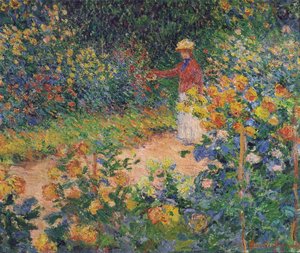
Artist Biography
James Bolivar Manson (1879–1945): A Florist’s Pursuit of Impressionism
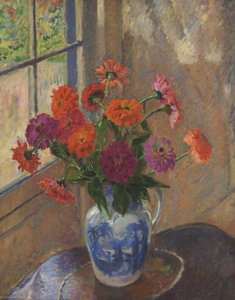
James Bolivar Manson, born in Brixton, London, in 1879, was a British artist whose life unfolded amidst the burgeoning artistic landscape of the early 20th century. His lineage traced back to Simón Bolívar, the liberator of Venezuela and Colombia, reflecting a familial connection to revolutionary ideals—a name that would resonate throughout his life’s journey. Growing up in a household steeped in literary tradition, fostered by his father's role as editor for Cassell & Co Ltd., Manson possessed an innate appreciation for storytelling and intellectual curiosity. His family included three sisters and four brothers, fostering a vibrant familial environment that nurtured his artistic inclinations. Early influences shaped Manson’s formative years. Attending Alleyn’s School in Dulwich instilled in him a disciplined approach to education, though he famously defied his father's reservations about pursuing painting as a vocation. Seeking independence from familial expectations and driven by an unwavering passion for art, he embarked on a path that initially led him away from creative pursuits—a stint as an office boy with Newnes Publishing followed by employment as a bank clerk, experiences he found profoundly unsatisfying. Yet, Manson’s determination persisted; he diligently studied painting at Heatherley School of Fine Art and Lambeth School of Art, guided by the encouragement of Lilian Beatrice Laugher, a violinist who had honed her skills in Berlin under Joachim—a connection that exposed him to European artistic currents. Manson's artistic breakthrough arrived in 1903 when he decisively abandoned his clerical role, symbolically discarding his hat on a pole and embracing a more fulfilling vocation as an artist. He quickly established himself as a respected painter of flowers, capturing the delicate beauty of blossoms with meticulous detail and expressive brushstrokes—a style that would define his artistic legacy. His work embraced Impressionism, prioritizing light and color to convey fleeting sensations rather than precise representations. However, Manson resisted the allure of more radical movements like Surrealism and German Expressionism, a stance that garnered criticism from prominent art critics such as Douglas Cooper who viewed it as a missed opportunity for artistic evolution. Despite facing challenges in securing his ambitions as a painter—marked by alcoholism and an infamous outburst at a Parisian dinner—Manson’s tenure as Director of the Tate Gallery (1930–1938) represented a significant contribution to British art history. He championed Impressionist principles within the gallery, advocating for innovative exhibitions and fostering dialogue about artistic trends. Nevertheless, his reputation endured as “the least successful” director due to his personal struggles and inability to fully realize his creative vision. Manson retired on health grounds in 1945, continuing his floral painting practice until his final days—a testament to his lifelong devotion to capturing the ephemeral splendor of nature’s artistry. His enduring influence lies not only in his stunning floral compositions but also in his steadfast commitment to artistic integrity and a pioneering role in shaping the Tate Gallery's artistic direction during its formative years.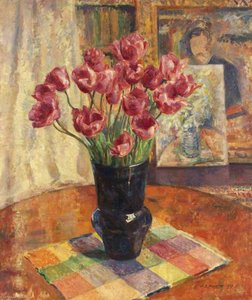
James Bolivar Manson
1879 - 1945
Quick Facts
- Artistic Movement Or Style: Impressionism
- Artists Or Movements Influenced By This Artist: ['Post-Impressionism']
- Artists Who Influenced This Artist: ['Joachim']
- Date Of Birth: 1879
- Date Of Death: 1945
- Full Name: James Bolivar Manson
- Nationality: British
- Notable Artworks:
- Flower Piece
- Still Life, Tulips in a Blue Jug
- Michaelmas Daisies
- Place Of Birth: Brixton, London