 Preview
 Send
Send Share
Share
 Details

 Download
 Similars
 X-Ray
X-Ray Diaporama
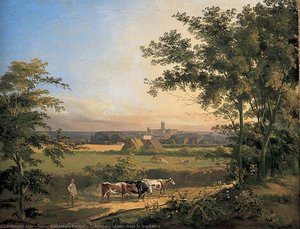
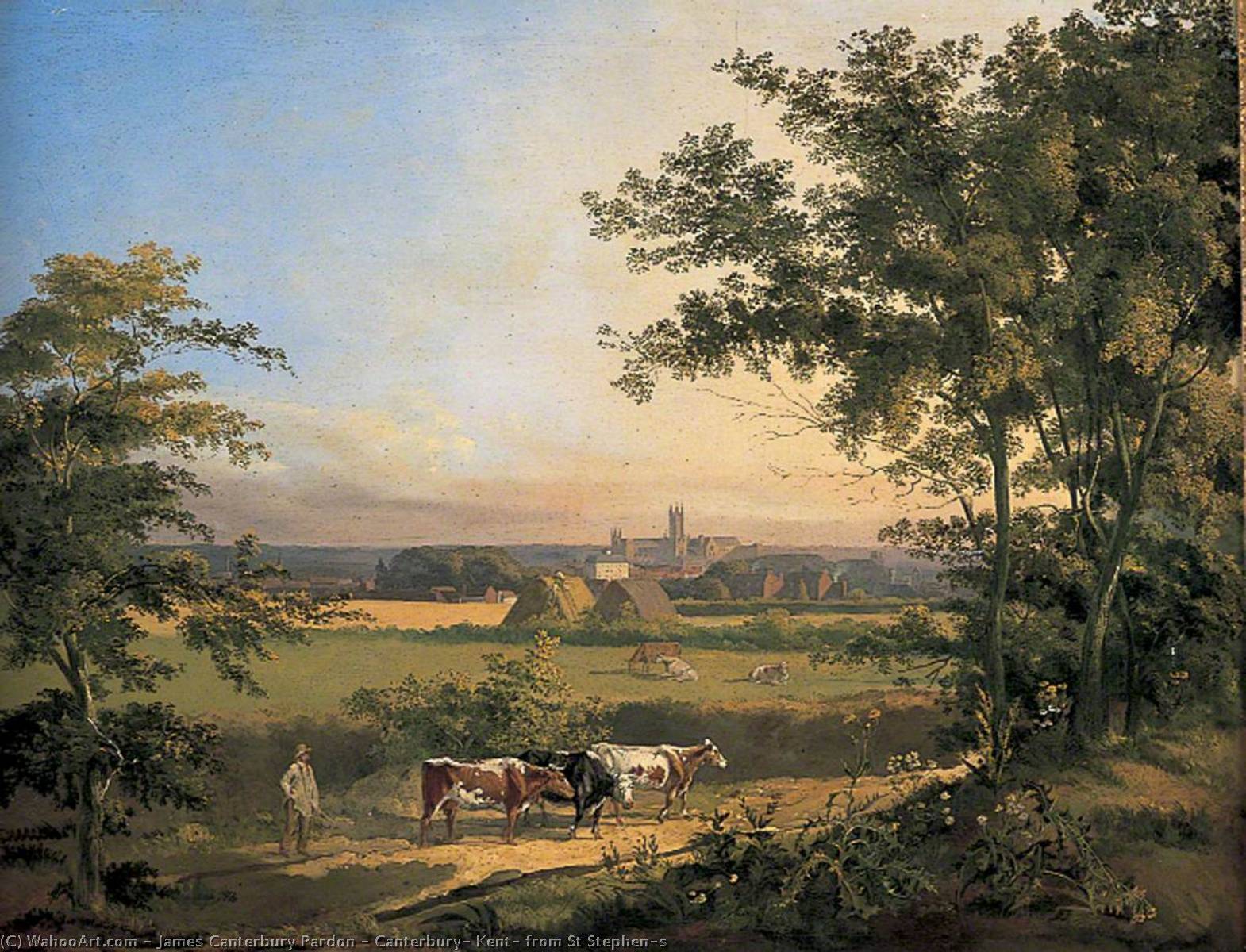
Canterbury, Kent, from St Stephen's
 1819
1819 69.0 x 90.0 cm
 Read More
Hand Made Oil Reproduction
Hand-painted oil on canvas in your size and frame, made to order by our artists. ( Buy Print Buy Image)




































Pick from our preset sizes that match the artwork's original proportions.

You may enter your own dimensions to fit a specific frame or space. If your selected size does not match the original image's proportions, we will either crop the artwork or extend the painting with additional hand-painted elements. A digital mockup will be sent for your approval before production begins.
Please note that the on-screen preview does not reflect the actual cropping or extension. Only the mockup will accurately show the final composition.
While custom sizes are available, we recommend selecting a dimension from the predefined list to preserve the original proportions.
After order, ArtsDot.com team will email client for instructions and provide a mockup preview
Worldwide Delivery () in 3/4 weeks instead of standard 5 weeks. (23 August). No compromise on quality.

Free Worldwide Express Shipping

High-Quality Linen Canvas

Full Shipping Insurance

Customs Tax Refund Guarantee

True Color Matching Guarantee

60-Day Return Policy (Defects Only)

100% Money-Back Guarantee

Bulk Discount Offer
 Glass option is only available in size under 110 CM

Canterbury, Kent, from St Stephen's
Reproduction Medium
Reproduction Size
-


Total Price
$ 263
Related Artworks









Artist Biography
James Canterbury Pardon: A Victorian Portrait Artist Dedicated to Honouring Military Service
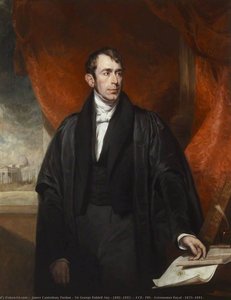
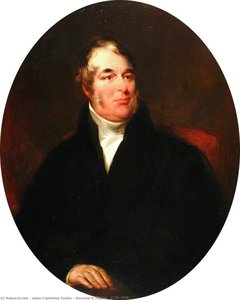
James Canterbury Pardon (c. 1830 – ?) remains a relatively obscure figure in the annals of Victorian art history, yet his meticulous depictions of military officers and prominent statesmen hold considerable fascination for scholars studying the era’s artistic landscape. Born around 1830 in Canterbury, England—the son of Reverend William Pardon—Pardon pursued formal artistic training at Slade School of Fine Art in London, establishing himself as a portrait artist specializing in commemorating individuals who served with distinction.- Early Influences: Pardon’s artistic sensibilities were undoubtedly shaped by the prevailing stylistic trends of his time, particularly Romanticism and Neoclassicism. However, unlike many artists of his generation, Pardon eschewed grand narratives and dramatic compositions for a more restrained approach focused on capturing subtle nuances of character and conveying dignity through precise detail.
- Notable Commissions: Pardon’s reputation grew steadily throughout the Victorian period thanks to numerous commissions from officers and dignitaries eager to immortalize their achievements. Among his most celebrated works are portraits of Rear Admiral William Henry Smyth, Commander-in-Chief of Plymouth Dockyard, and Sir George Airy, Astronomer Royal, both figures revered for their contributions to scientific advancement and naval prowess.
- Technique & Style: Pardon’s artistic technique was characterized by painstaking observation and meticulous execution. He employed oil paints on canvas with remarkable accuracy, utilizing glazing techniques to achieve luminous tonal gradations and capturing the textures of fabrics and skin with astonishing realism. His portraits often featured carefully arranged backgrounds—typically landscapes or architectural interiors—designed to complement the sitter's presence and convey a sense of status and accomplishment.
- Key Achievements: Pardon’s enduring legacy rests primarily on his ability to portray individuals with profound empathy and respect, elevating them beyond mere likenesses into embodiments of virtue and honour. His portraits are not merely representations of faces; they are windows into the personalities and aspirations of men who shaped the Victorian era—a testament to Pardon's skill as an artist and a humanist.
- Legacy & Historical Significance: While Pardon’s oeuvre remains modest compared to that of his contemporaries, his work exemplifies the Victorian preoccupation with commemorating heroism and upholding moral ideals. His portraits serve as invaluable documents for understanding social customs, aristocratic aspirations, and the visual culture of the period—a continuing source of interest for historians and art connoisseurs alike.
Quick Facts
- Artistic Movement Or Style: Victorian Portraiture
- Date Of Death: Living
- Full Name: James Canterbury Pardon
- Nationality: British
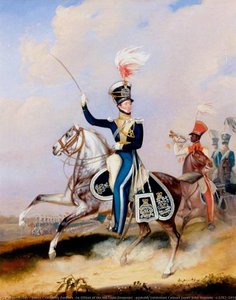
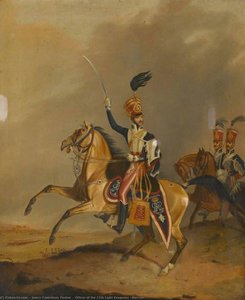
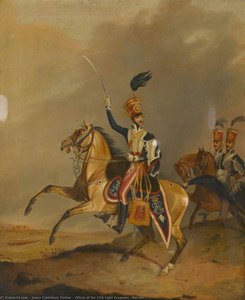
- Notable Artworks: ['An Officer of the 4th Light Dragoons']
- Place Of Birth: Canterbury, England