 Preview
 Send
Send Share
Share
 Details

 Download
 Similars
 X-Ray
X-Ray Diaporama
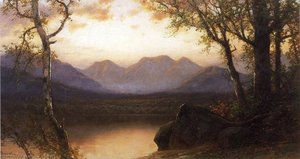
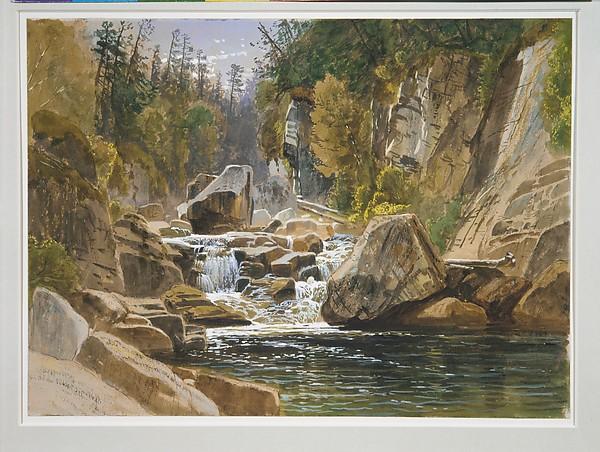
On the Ausable
 1869
1869 24.0 x 33.0 cm
 Read More
Hand Made Oil Reproduction
Hand-painted oil on canvas in your size and frame, made to order by our artists. ( Buy Print Buy Image)




































Pick from our preset sizes that match the artwork's original proportions.

You may enter your own dimensions to fit a specific frame or space. If your selected size does not match the original image's proportions, we will either crop the artwork or extend the painting with additional hand-painted elements. A digital mockup will be sent for your approval before production begins.
Please note that the on-screen preview does not reflect the actual cropping or extension. Only the mockup will accurately show the final composition.
While custom sizes are available, we recommend selecting a dimension from the predefined list to preserve the original proportions.
After order, ArtsDot.com team will email client for instructions and provide a mockup preview
Worldwide Delivery () in 3/4 weeks instead of standard 5 weeks. (23 August). No compromise on quality.

Free Worldwide Express Shipping

High-Quality Linen Canvas

Full Shipping Insurance

Customs Tax Refund Guarantee

True Color Matching Guarantee

60-Day Return Policy (Defects Only)

100% Money-Back Guarantee

Bulk Discount Offer
 Glass option is only available in size under 110 CM

On the Ausable
Reproduction Medium
Reproduction Size
-


Total Price
$ 263
Related Artworks









Artist Biography
The Visionary Landscapes of James David Smillie
In the golden age of American landscape painting, few names resonate with the same sense of structural precision and atmospheric wonder as James David Smillie. A pivotal figure within the illustrious Hudson River School, Smillie possessed a rare ability to translate the rugged, untamed grandeur of the New World into works of profound emotional depth. Born in New York City on January 16, 1833, to a family deeply rooted in the artistic traditions of Scotland and America, his very lineage was steeped in the craft of visual storytelling. His father, James S. Smillie, was a distinguished engraver, and it was through this early exposure to the meticulous world of line and detail that the young artist first learned to perceive the subtle textures of the natural world.
Smillie’s artistic evolution was marked by a remarkable versatility that allowed him to masterfully navigate between the permanence of oil painting, the ethereal lightness of watercolor, and the intricate precision of etching. While his roots were firmly planted in the American soil, his training drew from the prestigious traditions of the Royal Scottish Academy, instilling in him a commitment to the sublime—that specific aesthetic quality where beauty meets a sense of overwhelming awe. As he matured, his work became a bridge between the romanticized vistas of his predecessors and a more nuanced, observational approach to light and atmosphere.
A Legacy of Institutions and Innovation
Beyond his individual canvases, Smillie was a foundational architect of the American art community. He did not merely participate in the art world; he helped build its very infrastructure. His passion for expanding the reach of specific mediums led him to become a cofounder of two of the most significant organizations in nineteenth-century American art:
- The American Watercolor Society: Where he served as both treasurer and president, championing the delicate luminosity and expressive potential of the watercolor medium.
- The New York Etching Club: A testament to his lifelong devotion to the graphic arts and the intricate beauty of printmaking.
This dedication to institutional growth ensured that the techniques he loved—the soft washes of color and the sharp, decisive lines of an etching needle—would be preserved and celebrated by future generations. His influence extended into the academic sphere as well, as he was elected an associate of the National Academy of Design in 1865 and later achieved full academician status in 1876, cementing his place among the elite masters of his era.
Capturing the American Sublime
The true soul of Smillie’s work lies in his ability to capture the iconic vistas that defined the American identity during a period of rapid expansion and national pride. He was particularly renowned for his depictions of the Yosemite Valley, where he utilized dramatic lighting and atmospheric perspective to render towering granite cliffs and cascading waterfalls with breathtaking accuracy. His contributions to the celebrated publication Picturesque America allowed his vision of the American wilderness to reach a vast audience, turning landscapes into symbols of national heritage.
Whether through the sweeping, dramatic oils of Evening among the Sierras or the delicate, luminous textures found in his many watercolors, Smillie’s work remains a testament to a time when art sought to find the divine within the landscape. His ability to balance the scientific precision of an engraver with the romantic heart of a painter allowed him to create scenes that were not merely topographical records, but emotional journeys through the light and shadow of a burgeoning continent. Even today, his works stand as enduring windows into the majesty of a wilderness that continues to inspire awe.
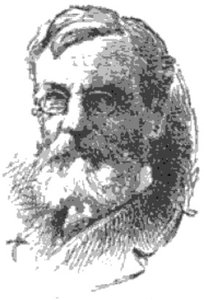
james david smillie
1833 - 1909
Quick Facts
- Artistic Movement Or Style: Hudson River School
- Artists Or Movements Influenced By This Artist: ['']
- Artists Who Influenced This Artist: ['']
- Date Of Death: 1909
- Full Name: James David Smillie
- Nationality: American
- Notable Artworks:
- Mountainous Landscape with a Sunset
- On the Ausable
- Moat Mountain and White Horse Ledge, Study