 Preview
 Send
Send Share
Share
 Details

 Download
 Similars
 X-Ray
X-Ray Diaporama
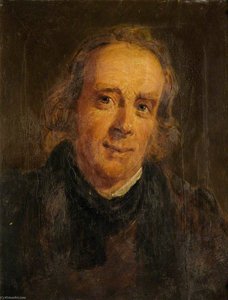
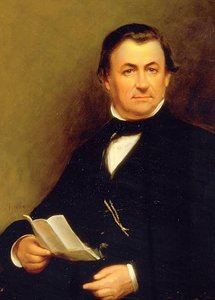
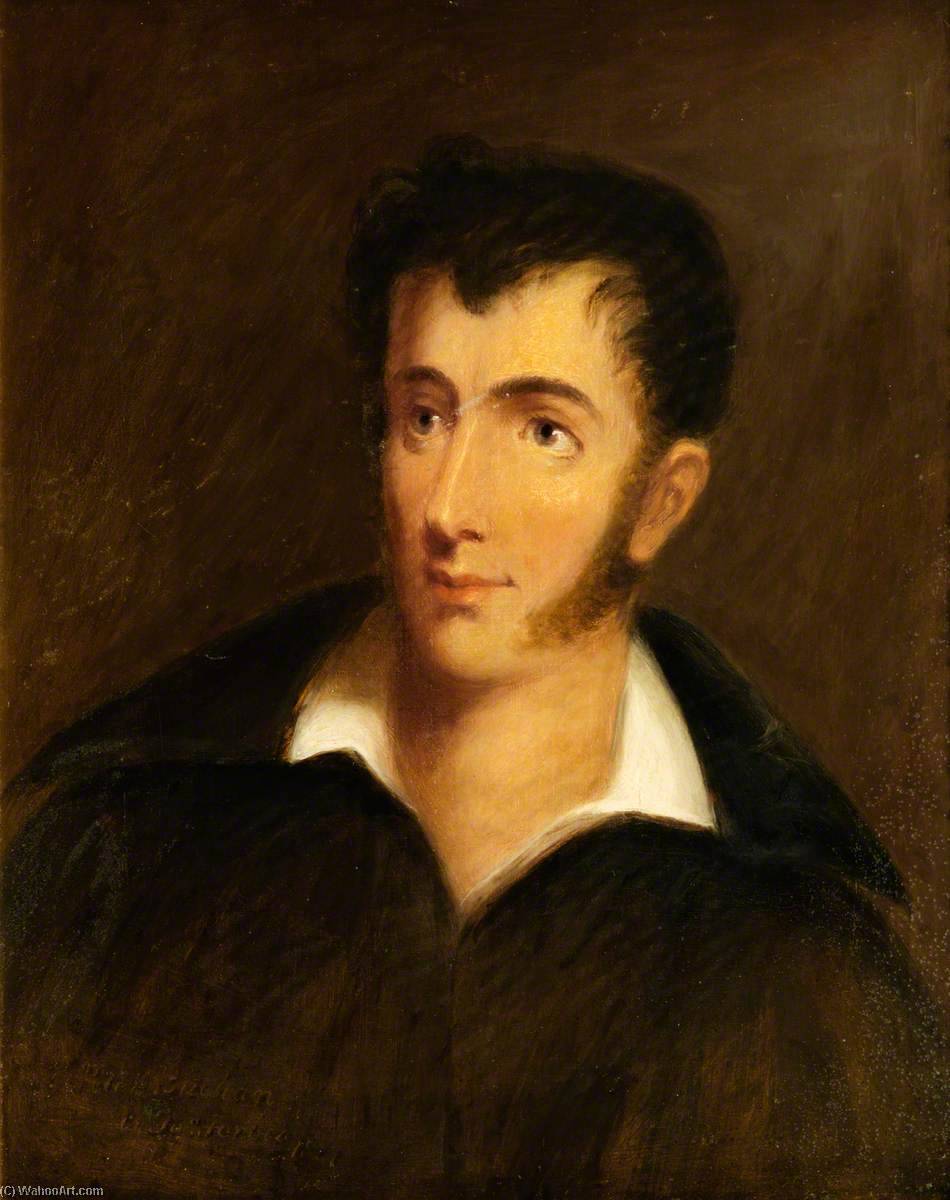
Peter Buchan (1790–1854)
 1827
1827 64.0 x 50.0 cm
 Mintlaw Discovery Centre
 Read More
Hand Made Oil Reproduction
Hand-painted oil on canvas in your size and frame, made to order by our artists. ( Buy Print Buy Image)




































Pick from our preset sizes that match the artwork's original proportions.

You may enter your own dimensions to fit a specific frame or space. If your selected size does not match the original image's proportions, we will either crop the artwork or extend the painting with additional hand-painted elements. A digital mockup will be sent for your approval before production begins.
Please note that the on-screen preview does not reflect the actual cropping or extension. Only the mockup will accurately show the final composition.
While custom sizes are available, we recommend selecting a dimension from the predefined list to preserve the original proportions.
After order, ArtsDot.com team will email client for instructions and provide a mockup preview
Worldwide Delivery () in 3/4 weeks instead of standard 5 weeks. (23 August). No compromise on quality.

Free Worldwide Express Shipping

High-Quality Linen Canvas

Full Shipping Insurance

Customs Tax Refund Guarantee

True Color Matching Guarantee

60-Day Return Policy (Defects Only)

100% Money-Back Guarantee

Bulk Discount Offer
 Glass option is only available in size under 110 CM

Peter Buchan (1790–1854)
Reproduction Medium
Reproduction Size
-


Total Price
$ 263
Related Artworks










Artist Biography
The Chronicler of the Orient: The Life and Legacy of James Forbes
In the grand tapestry of the Enlightenment, few figures possess a legacy as multifaceted and evocative as James Forbes. A man whose life bridged the gap between the rigorous scientific inquiry of the age and the romanticized allure of distant lands, Forbes stands as a singular pioneer in both botanical illustration and cultural documentation. Born into a Scottish family residing in London during the mid-1t8th century, his early years were shaped by a profound intellectual curiosity that would eventually lead him far beyond the familiar shores of Britain. His journey was not merely one of physical travel, but an extraordinary evolution from a literary writer for the British East India Company to a meticulous observer of the natural and human worlds.
The period between 1765 and 1784 marked the most transformative era of his life, as his residency in Calcutta allowed him to immerse himself in the vibrant, complex landscape of India. It was here that the seeds of his artistic and scientific greatness were sown. Tasked with disseminating information regarding the geography, flora, and fauna of the subcontinent, Forbes utilized his position to engage in a deep, sensory exploration of his surroundings. This period of intense observation fostered an enduring passion for detail, transforming him into one of the earliest Western chroniclers capable of capturing the true essence of India’s rich cultural and biological tapestry.
A Masterpiece of Memory: The Oriental Memoirs
The pinnacle of Forbes’s creative and intellectual achievement is undoubtedly his magnum opus, Oriental Memoirs. This work was not merely a book, but a monumental reconstruction of a lost era, painstakingly assembled from an incredible archive of approximately 52,000 manuscript pages of sketches and notes. Through these records, Forbes breathed life into the landscapes of Bengal, presenting a vivid portrait of a society and an ecosystem that were, to the Western eye, largely enigmatic. His artistic vision was characterized by a rare duality: he possessed the precision of a scientist and the soul of a poet.
In his botanical illustrations, Forbes achieved a level of exquisite detail that served a dual purpose. While his watercolors showcased the breathtaking beauty and intricate structures of Indian flora, they also functioned as vital scientific instruments, conveying essential knowledge to the burgeoning botanical communities in Europe. His ability to render the delicate textures of petals and the structural complexity of tropical plants helped foster a deeper understanding between East and West. Yet, his talent was not confined to the natural world; he applied this same meticulous eye to the architectural marvels of the subcontinent, capturing the grandeur of monuments like the Taj Mahal with a sense of awe and reverence.
Artistic Technique and Historical Significance
The technical prowess displayed in Forbes’s work reflects the broader artistic movements of his time, blending the emerging realism of the late 18th century with the detailed precision required for scientific documentation. His use of color and composition allowed him to convey not just the physical form of his subjects, but their inherent character and atmosphere. Whether he was documenting a rare orchid or a sweeping architectural vista, his work possessed an intimacy that drew the viewer into the heart of the Indian experience.
The historical significance of James Forbes extends far beyond the boundaries of art history. He remains a vital figure for historians and botanists alike, providing a window into the socio-cultural landscape of 18th-century India. His contributions helped shape the Western perception of the Orient, moving away from mere myth toward a more grounded, observational reality. Through his tireless dedication to recording the world around him, Forbes ensured that the fleeting beauty of the natural world and the enduring traditions of a great civilization would be preserved for generations to come.
james forbes
1749 - 1819
Quick Facts
- Artistic Movement Or Style: Orientalism
- Artists Or Movements Influenced By This Artist: ['Thom']
- Artists Who Influenced This Artist: ['William Thom']
- Date Of Birth: 1749
- Date Of Death: 1819
- Full Name: James Forbes
- Nationality: British
- Notable Artworks: ['Taj Mahal Illustration']
- Place Of Birth: London, England