 Preview
 Send
Send Share
Share
 Details

 Download
 Similars
 X-Ray
X-Ray Diaporama
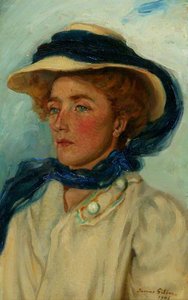
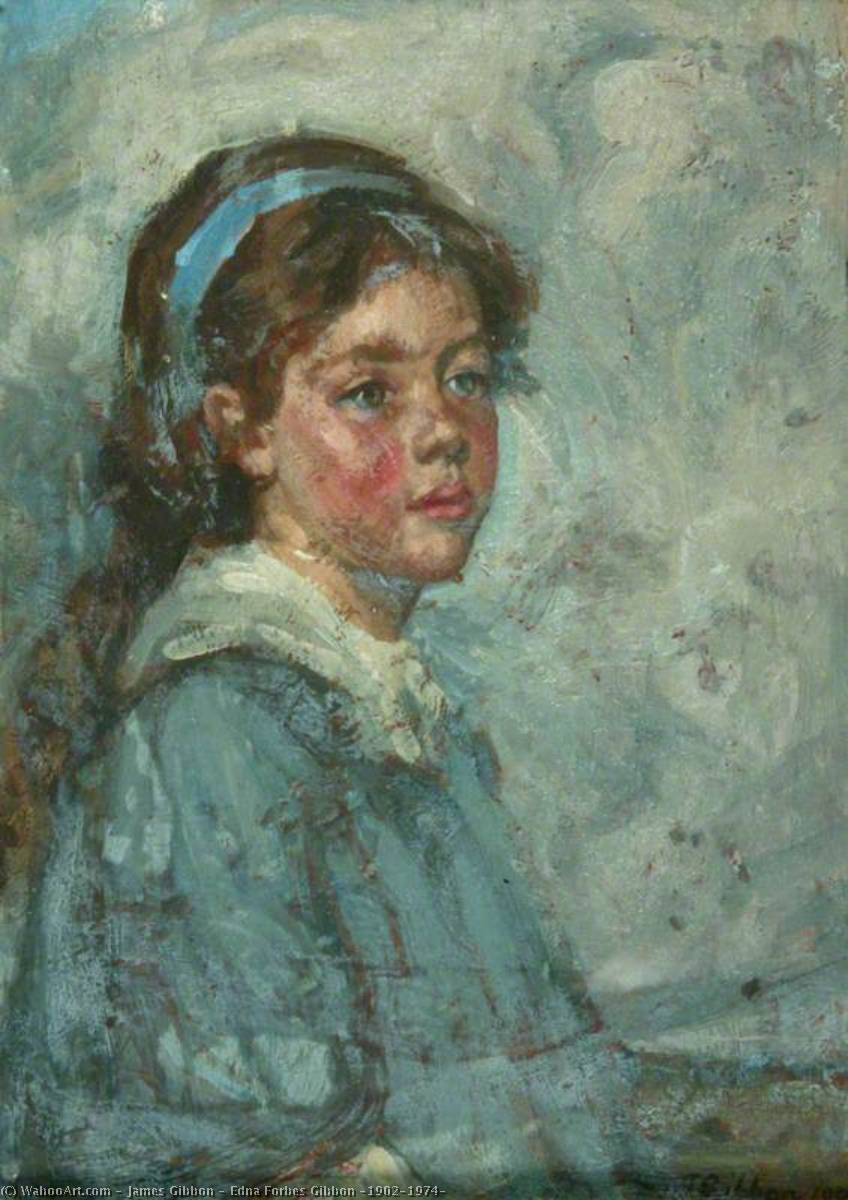
Edna Forbes Gibbon (1902–1974)
 1909
1909 18.0 x 13.0 cm
 Read More
Giclée / Art Print
Museum-quality giclée or canvas print with fast production and flexible finish options. ( Buy Hand Made Painting Buy Image)




































Pick from our preset sizes that match the artwork's original proportions.

You may enter your own dimensions to fit a specific frame or space. If your selected size does not match the original image's proportions, we will either crop the artwork or extend the image with a mirrored or solid-fill edge. A digital mockup will be sent for your approval before production begins.
Please note that the on-screen preview does not reflect the actual cropping or extension. Only the mockup will accurately show the final composition.
While custom sizes are available, we recommend selecting a dimension from the predefined list to preserve the original proportions.
Worldwide Delivery () in 2 weeks instead of standard 4/5 weeks. (30 August)

Free Worldwide Express Shipping

High-Quality Linen Canvas

Full Shipping Insurance

Customs Tax Refund Guarantee

True Color Matching Guarantee

60-Day Return Policy (Defects Only)

100% Money-Back Guarantee

Bulk Discount Offer
 Glass option is only available in size under 110 CM

Edna Forbes Gibbon (1902–1974)
Giclée / Art Print
Reproduction Size
-


Total Price
$ 63
Related Artworks









Artist Biography
A Legacy in Portraiture: The Life of James Mitchell Crowther Gibbon
In the quiet, dignified corridors of Australian art history, few names evoke such a profound sense of familial continuity and psychological depth as James Mitchell Crowther Gibbon. Born circa 1876 in the vibrant landscape of Sydney, Australia, Gibbon was an artist whose very existence seemed intertwined with the brushstrokes of his predecessor. While he is often remembered through the lens of his father’s illustrious career, James carved out a singular identity as a master portraitist, one capable of capturing not just the physical likeness of his subjects, but the very soul of late Victorian and Edwardian society.
His journey was one shaped by the heavy, yet beautiful, mantle of heritage. Growing up under the watchful eye of William Forbes Gibbon—a celebrated landscape painter renowned for his evocative depictions of the Blue Mountains and Darling Downs—James was immersed in an environment where observation was a sacred duty. From his father, he inherited a meticulous devotion to technique and a profound respect for the natural world, yet he chose to turn that focused gaze inward, toward the human countenance. This transition from the expansive grandeur of the Australian wilderness to the intimate complexities of the human face marked the beginning of a distinctive artistic evolution.
Mastery of Form and the Art of Quiet Realism
Gibbon’s formal education at the Royal Art School in Sydney provided the technical scaffolding upon which his emotive style was built. It was here that he mastered the delicate nuances of oil painting, specifically the subtle art of tonal gradation that allows a portrait to breathe with life. His work is characterized by an understated elegance, eschewing the flamboyant or theatrical in favor of what critics often call quiet realism. He possessed a rare ability to utilize muted palettes and soft, deliberate brushstrokes to convey a sense of psychological depth, making his subjects appear as though they were caught in a moment of private reflection.
His stylistic influences were a sophisticated blend of tradition and modernity. While his foundations remained rooted in classical precision, one can detect the lingering whispers of Impressionism in his handling of light and the gentle touch of Neo-Romanticism in the atmospheric moods he created. This synthesis allowed him to move beyond mere documentation; when he painted a member of the prominent Forbes family or a serene figure like Mrs. W.C.A. Gibbon, he was composing a narrative of character and class, rendered with a warmth that remains captivating to the modern eye.
A Testament to Australian Social History
The true significance of James Gibbon’s oeuvre lies in its role as a visual archive of a bygone era. With a body of work comprising over 300 portraits, he documented the social fabric of Australia during a period of immense transition. His commissions were not merely artistic endeavors but historical records that captured the dignity and the inner lives of the Australian elite and their families. Through his eyes, we witness the evolution of fashion, the shifting light of the turn of the century, and the stoic grace of a generation navigating the dawn of a new age.
Today, Gibbon’s legacy is preserved not only in private collections but also in esteemed institutions such as the Manchester Art Gallery, which holds works that highlight his connection to his father's broader artistic circle. His life and work stand as a testament to the power of portraiture to transcend time, offering us a window into the hearts of those who shaped the early identity of a nation. He remains a vital figure for any student of art, reminding us that true greatness often lies in the ability to find the infinite within the intimate.
Quick Facts
- Artistic Movement Or Style: Portrait Painting
- Artists Or Movements Influenced By This Artist: ['British Portraiture']
- Artists Who Influenced This Artist: ['William Forbes Gibbon']
- Full Name: James Mitchell Crowther Gibbon
- Nationality: Australian
- Notable Artworks: ['William Forbes Gibbon Portrait']
- Place Of Birth: Sydney, Australia